
7 Essential Tips on What to Wear Jogging in Cold Weather
When jogging in cold weather, it’s crucial to wear the right gear to ensure comfort and performance. Starting with a snug, moisture-wicking base layer is essential, as it helps keep sweat off your skin.
Next, add insulating mid-layers like fleece for warmth without adding bulk.
Don’t forget to choose a waterproof, breathable outer layer to effectively block wind and rain.
Adjust your layers based on your workout intensity and the temperature outside.
Also, be sure to wear insulated gloves, a thermal hat, and some neck protection to keep those extremities warm.
Dressing appropriately for wind and wet conditions is key to staying comfortable during your cold-weather runs.
Stick around to uncover more practical tips for your cold-weather jogging adventures!
Choose the Right Base Layer for Moisture Management
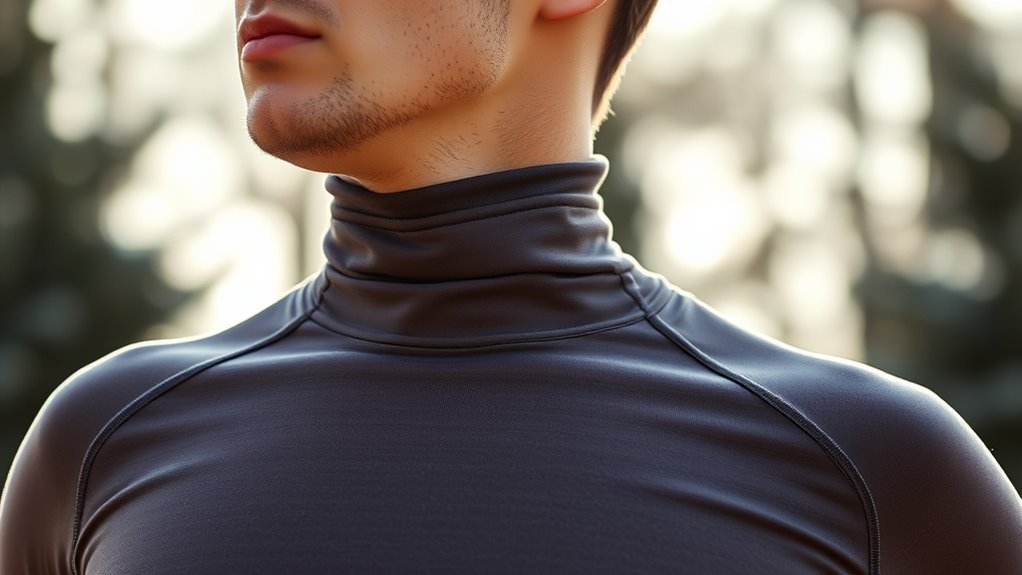
When you jog in cold weather, choosing the right base layer is essential for managing moisture and staying comfortable.
Opt for moisture-wicking materials made from synthetic fabrics like polyester or natural fibers such as merino wool.
These fabrics pull sweat away from your skin, keeping you dry and preventing chills.
Make sure your base layer fits snugly but isn’t restrictive; this helps maximize moisture transfer and reduces the risk of chafing.
Avoid cotton, as it absorbs sweat and dries slowly, which can leave you cold and irritated.
Look for lightweight or midweight options based on the temperature and your intensity.
Also, pick base layers with seamless or flatlock seams to minimize irritation and enhance comfort throughout your run.
Incorporate Insulating Mid Layers for Warmth

Although your base layer handles moisture, adding an insulating mid-layer is key to trapping heat and keeping your core warm during cold weather runs.
When incorporating insulating mid-layers, keep these points in mind:
- Choose materials like fleece or synthetics with PrimaLoft or Thinsulate to maintain warmth even when damp.
- Opt for moisture-wicking mid-layers to manage sweat and prevent moisture buildup that causes discomfort.
- Layering with a lightweight, breathable mid-layer lets you adjust your temperature, avoiding overheating during intense jogging.
- Select a snug but non-restrictive fit to maximize heat retention without limiting your movement.
Select a Protective Outer Layer Against Wind and Rain

Shielding yourself from wind and rain starts with choosing a protective outer layer designed to keep you dry and comfortable.
Opt for a waterproof, breathable jacket made with fabrics like Gore-Tex or Nike Storm-FIT.
Make sure it has adjustable vents to regulate airflow and prevent overheating.
Look for features like sealed seams, a high collar, or a hood to block wind and water.
Lightweight outer layers allow you to move freely and layer underneath easily.
Also, pick jackets with reflective accents or bright colors to stay visible in low light.
| Feature | Benefit | Example |
|---|---|---|
| Waterproof | Keeps you dry | Gore-Tex fabric |
| Breathable | Prevents overheating | Underarm vents |
| Windproof | Blocks cold wind | Sealed seams |
| Visibility | Enhances safety | Reflective accents |
Dress According to Workout Intensity and Temperature
Since your body temperature rises with workout intensity, you should dress about 5–10°F warmer than the actual temperature during high-effort runs to avoid overheating.
Dress 5–10°F warmer than the air temperature during intense runs to prevent overheating.
Start your warm-up dressed for the current outdoor temperature to stay comfortable at lower exertion levels. As your workout intensity increases, adapt your layers accordingly.
Here’s how to dress smartly:
- Wear a lightweight, moisture-wicking base layer to regulate temperature and keep dry.
- Add or remove mid-layers based on how warm you feel during intense segments.
- Adjust outer layers to prevent overheating while maintaining protection from the cold.
- During recovery or low-intensity periods, add layers back to avoid cooling down too quickly.
Protect Your Extremities With Appropriate Accessories
When temperatures drop, it’s crucial to protect your hands, head, and neck to maintain warmth and prevent frostbite.
Start with insulated, moisture-wicking gloves to keep your fingers warm and dry, especially when it’s below 20°F (-6°C). If the weather is wet or windy, make sure to opt for waterproof or windproof gloves to help preserve warmth and dexterity.
Next, choose a thermal hat or beanie that fully covers your ears. This helps prevent heat loss and shields you from windburn.
And don’t forget about a neck gaiter! It’s essential for guarding your face and neck against harsh wind chill and frostbite risks.
For those extremely cold runs, consider slipping hand warmers inside your gloves for that extra layer of insulation.
These accessories ensure your extremities stay protected, letting you focus on your jog without discomfort.
Adjust Layers for Windy and Wet Conditions
Although cold temperatures demand warm clothing, you should dress as if it’s 5 to 10 degrees colder to combat wind chill effectively.
Windy and wet conditions require careful planning to stay comfortable.
To adjust layers properly:
- Choose windproof outer layers or jackets with breathable materials to block gusts without overheating.
- Run into the wind first to maximize warmth, then enjoy the easier return leg with wind assistance.
- Wear layers you can easily add or remove mid-run. This helps prevent sweat buildup and chills.
- Use accessories like face masks or neck gaiters to shield exposed skin from windburn.
Use Durable and Sustainable Gear for Long-Term Comfort
To stay comfortable during cold-weather runs, you’ll want gear that lasts and performs well over time.
Choose sustainable gear made from durable fabrics like merino wool, polyester blends, or technical synthetics that hold up through frequent washing and use.
Opt for pieces with reinforced seams and sturdy zippers to maintain integrity after many runs.
Prioritize versatile, layered clothing that adapts to changing weather. This way, you can reduce the need for constant replacements.
Supporting brands committed to sustainability and ethical manufacturing not only benefits the environment but also ensures your gear meets high-quality standards.
Frequently Asked Questions
How to Dress for Jogging in Cold Weather?
You should wear moisture-wicking base layers, add insulating mid-layers, and top with a windproof, waterproof jacket.
Don’t forget insulated hats, gloves, and thermal socks.
Dress in layers, starting cool, then adjust as you run.
What Are the 5 P’s for Cold Weather?
Think of the 5 P’s as your cold-weather armor:
Proper clothing, layering, protection, planning, and pacing.
You’ll stay warm and safe by wearing the right gear, covering your extremities, and checking the weather.
Pacing yourself smartly is also key.
What Is the 3 Layer Rule for Winter?
The 3 layer rule for winter means you wear a moisture-wicking base layer,
an insulating middle layer like fleece, and a protective outer layer that’s waterproof.
This combination keeps you warm, dry, and shielded from harsh weather while jogging.
By layering your clothing, you can easily adjust to changes in temperature and activity level.
How to Protect Your Lungs When Running in the Cold?
You should wear a scarf or buff over your mouth to warm cold air.
Pace your breathing to avoid rapid inhales, and make sure to warm up properly.
Stay hydrated to keep your lungs protected and comfortable during cold runs.
Conclusion
Think of dressing for cold-weather jogging like building a campfire—you need the right layers to spark warmth and keep it burning.
Just as dry kindling fuels the flames without smoke, your moisture-wicking base layer keeps sweat at bay.
Meanwhile, insulating mid and protective outer layers shield you like logs stacked just right.
With the right gear, you’ll stay comfortable and motivated, no matter how frosty the run feels outside.
Keep layering smart, and you’ll conquer the cold every time.
In conclusion, dressing for jogging in cold weather is all about mastering the art of layering.
Start with a moisture-wicking base layer, add insulating mid-layers, and finish with a protective outer shell.
This smart layering technique not only keeps you warm but also ensures you stay dry and comfortable throughout your run.
With the right gear, you’ll be ready to tackle any frosty jogging adventure that comes your way!