Should You Wear Shorts Today in 60-Degree Weather?
You can wear shorts in 60-degree weather if you layer smartly and consider your activity and the environment.
Sunny, dry conditions often feel warm enough for shorts, especially when you’re active. However, if it’s windy or cloudy, pairing shorts with a long-sleeve shirt or light hoodie can help you stay comfortable.
Think about where you’ll be and what you’ll do—these factors can make shorts a good choice or not.
So, if you plan to be outside and moving around, shorts might just be the perfect option.
Keep these tips in mind to get the most from your outfit today!
How Does 60-Degree Weather Really Feel?

Although 60-degree weather might seem mild, how it feels can vary widely depending on conditions like humidity, wind, and sun exposure.
60-degree weather may feel mild, but humidity, wind, and sun can change how warm it really feels.
You might find it warm enough for shorts on a sunny, dry day, especially in places like California where the sun boosts the perceived temperature.
However, if it’s windy or overcast, 60°F can feel closer to the low 50s, making a light jacket a smarter choice.
Your personal cold tolerance also plays a role—some people feel comfortable in shorts, while others prefer layering up.
So, when deciding what to wear, consider both the actual temperature and how it feels to you.
That perceived temperature is key to staying comfortable outside.
Factors That Affect Your Comfort in 60-Degree Weather

When deciding whether to wear shorts in 60-degree weather, several factors affect how comfortable you’ll feel.
Your personal tolerance to temperature plays a big role—some people find this mild warmth perfect for shorts, while others need extra layers.
Humidity also impacts comfort; high humidity often makes the air feel cooler than the actual temperature.
Don’t forget about layering—you can adjust your outfit to stay comfortable, adding or removing pieces depending on how you feel.
Sun exposure can boost warmth, making shorts more appealing, but wind chill can lower perceived temperature, encouraging more coverage.
Activity Levels and Their Impact on Clothing Choices
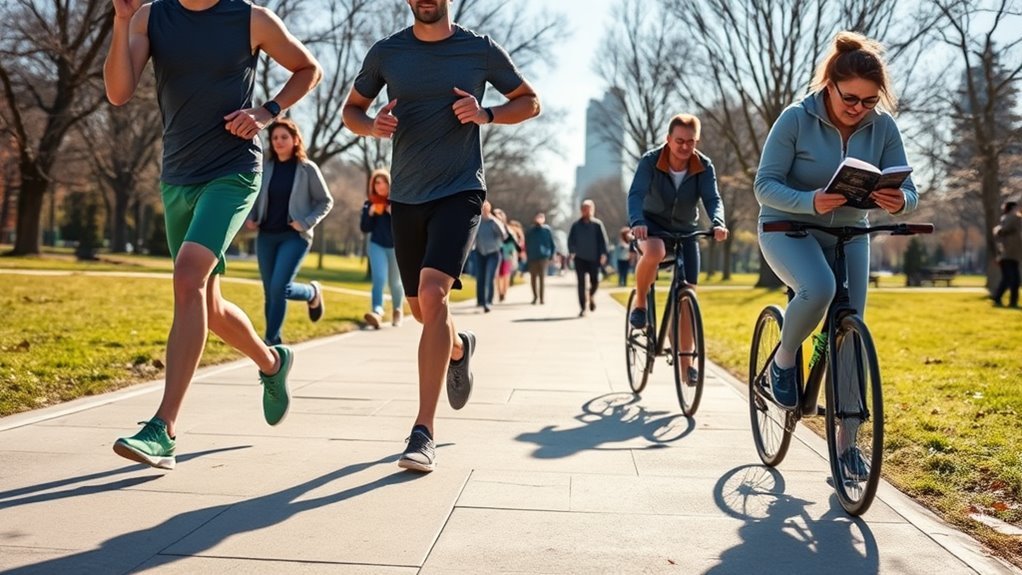
If you’re planning to stay active, like running or hiking, shorts can keep you comfortable by letting your body breathe and cool down.
But if you’ll be sitting for a while, you might want something warmer since your body won’t generate as much heat.
Think about what you’ll be doing today — your activity level should guide whether shorts are the right choice.
Activity Intensity Matters
Because your activity level directly affects how warm you feel, choosing shorts in 60-degree weather depends on how much you’ll be moving.
Higher activity levels generate body heat, making shorts a smart clothing choice during vigorous outdoor activities like running or cycling.
These intense movements help keep you cool and prevent overheating, so shorts work well.
However, if your activity is moderate, such as walking or casual sightseeing, layering with long sleeves alongside shorts offers enough warmth without sacrificing comfort.
The intensity of your activity ultimately guides whether shorts or longer pants suit you better.
Keep in mind, if it’s windy or colder than expected, even moderate activity levels might require longer clothing or extra layers to stay warm and comfortable throughout your time outside.
Sitting Versus Moving
Your activity level directly influences how you should dress in 60-degree weather, especially when deciding between shorts and warmer layers.
If you’ll be sitting still for a while, you might feel chilly since your body isn’t generating much heat. In this case, layering up with a jacket or hoodie helps maintain comfort.
On the other hand, if you plan on moving—walking, jogging, or engaging in other active outdoor activities—your body will produce enough warmth to keep you comfortable in shorts.
Moving increases circulation and reduces the need for heavy outerwear. To stay comfy without overheating, choose lightweight, breathable fabrics when you’re active.
Occasion Influences Attire
Although 60-degree weather might feel mild, the occasion you’re dressing for plays a big role in whether shorts make sense.
If your activity involves staying active—like walking, running, or casual outings such as shopping or visiting the park—shorts can keep you comfortable by allowing your body heat to regulate naturally.
However, if the occasion is formal or professional, shorts usually aren’t the right attire, regardless of how much you move.
On the other hand, if you’ll be sitting still for a long time, even casual shorts might leave you feeling chilly.
Ultimately, the level of physical activity during your event determines if shorts are practical.
Choosing Between Casual and Formal Settings
When deciding whether to wear shorts in 60-degree weather, consider the event’s dress code carefully.
You’ll find shorts fit casual settings perfectly, but formal occasions usually call for long pants or skirts.
Make your choice based on the level of formality to stay comfortable and appropriate.
Casual vs. Formal Attire
Since the setting largely determines your outfit choice, you should consider the occasion before deciding to wear shorts in 60-degree weather.
Casual attire works well in relaxed environments like parks or outdoor cafes, where pairing shorts with long sleeves or a light jacket keeps you comfortable and stylish.
However, for formal occasions, shorts generally don’t fit the dress code.
Professional settings or semi-formal events call for tailored pants or dresses to maintain a polished appearance.
Ignoring the dress code can make you feel out of place or underdressed.
So, before choosing shorts, think about the formality of the event and the expectations tied to it.
This way, you’ll dress appropriately and feel confident in your outfit all day long.
Event Dress Code
Your choice to wear shorts in 60-degree weather depends heavily on the event’s dress code.
Casual wear fits perfectly for relaxed settings, but formal events usually call for more polished attire.
Before deciding, check the venue’s specific dress code to avoid feeling out of place.
Here are key points to consider:
- Parks, casual brunches, and outdoor shopping generally welcome shorts.
- Formal events and professional settings usually prohibit shorts regardless of temperature.
- Many restaurants and indoor venues enforce business casual or formal dress codes that exclude shorts.
- When unsure, choose longer pants or layering to meet dress expectations.
- Adhering to the dress code ensures you’re comfortable and appropriate for the occasion.
Balancing comfort and respect for the dress code helps you make the right shorts decision.
Shorts Appropriateness Criteria
Although 60-degree weather feels mild enough for shorts, you should consider the setting before deciding to wear them.
Shorts work great for casual wear like running errands, visiting parks, or enjoying outdoor sports in this weather. They keep you comfortable without overheating.
However, if you’re heading to formal or professional environments, shorts usually aren’t appropriate, no matter how pleasant the weather is.
Restaurants with dress codes and events like weddings or semi-formal gatherings typically expect long pants or skirts, so shorts would look out of place.
Always weigh the occasion and dress code before choosing shorts. Sticking to casual settings ensures your outfit fits the context while keeping you comfortable in 60-degree weather.
Styling Tips for Wearing Shorts at 60 Degrees
When temperatures hover around 60 degrees, you can stay comfortable by layering your shorts with long-sleeve shirts, lightweight hoodies, or flannels.
This approach balances warmth and style perfectly.
To complete your look, consider these tips:
- Use easily removable outer layers like light jackets or zip-up hoodies to adapt to changing weather.
- Pair your shorts with long sleeves or thermal leggings underneath if it feels chillier.
- Choose footwear such as sneakers paired with no-show or crew socks for comfort and warmth.
- Add sporty accessories like hats or caps for sun protection and a casual vibe.
- Opt for neutral colors in your layering pieces to keep your outfit cohesive and stylish.
Layering Options to Balance Warmth and Coolness
Since 60-degree weather can shift between cool and mild, layering becomes essential to stay comfortable while wearing shorts.
Start with a lightweight long-sleeve shirt or flannel to provide some insulation without overheating.
You can easily add a lightweight hoodie or a removable windbreaker to adjust as temperatures fluctuate.
For extra warmth, consider pairing your shorts with high socks or leggings underneath; they add insulation while keeping your look stylish.
Layering lets you adapt quickly if the sun dips behind clouds or a breeze picks up.
Combining breathable fabrics with insulating layers ensures you won’t feel too cold or too warm.
This smart layering approach balances warmth and coolness perfectly, making shorts a practical choice even in unpredictable 60-degree weather.
Footwear Recommendations for Cooler Shorts Days
To complete your layered outfit for 60-degree weather, picking the right footwear makes a big difference in staying comfortable.
When you wear shorts, your feet might feel cooler, so choosing sneakers with the right socks is key.
Opt for sneakers paired with no-show or ankle socks to keep your feet cozy without overheating.
Choose sneakers with no-show or ankle socks to stay comfortable and avoid overheating.
If you want extra warmth, mid-length or crew socks work well with chunkier sneakers or hiking shoes.
Avoid slip-ons or sandals since they don’t protect against cool breezes.
Here are some great footwear tips for cooler shorts days:
- Wear sneakers with ankle socks for balanced warmth and breathability.
- Choose thicker socks with hiking shoes to regulate temperature.
- Avoid sandals to prevent cold feet.
- Pick shoes covering your ankles to block drafts.
- Use crew socks for added insulation and a casual look.
When to Skip Shorts in 60-Degree Weather
Although 60-degree weather often feels mild, you might want to skip shorts during early mornings or evenings when wind chill makes the air feel colder.
If wind speeds pick up or clouds block sunlight throughout the day, the temperature can feel less comfortable for shorts.
You should also avoid shorts if rain or high humidity is in the forecast, as that can lead to chills.
If you have a low tolerance for cold, it’s better to wait before you start wearing shorts, even if you plan to pair them with a tank top.
Finally, keep in mind that shorts usually aren’t appropriate for formal or professional settings, regardless of how warm it feels.
Use your judgment to decide when shorts are truly the best choice.
Ideal Temperature Ranges for Wearing Shorts
You’ll find shorts most comfortable when temperatures hit between 60°F and 70°F, especially during seasonal shifts.
If it’s cooler, layering can help you stay warm without sacrificing style.
Knowing your personal comfort and the weather’s feel can guide you in choosing the perfect time to wear shorts.
Perfect Temperature Window
When the temperature sits between 60°F (16°C) and 68°F (20°C), you’ll usually find it comfortable to wear shorts without feeling chilly.
This perfect temperature window strikes a balance where shorts pair well with breathable tops, letting you stay cool and comfortable.
Below 60°F, you might need extra layers or opt for longer pants to avoid the cold.
And above 70°F (21°C), shorts become even more ideal for hot weather.
Keep in mind, factors like humidity, wind, and sun exposure can affect how this temperature feels on your skin.
Here’s what to contemplate within this window:
- A light breeze might make shorts feel cooler.
- Sunny days boost warmth, making it perfect for shorts.
- High humidity can actually make shorts feel more comfortable.
- Overcast skies might call for a light jacket.
- Personal comfort varies, so trust your own feeling.
Seasonal Transition Guidelines
Finding the right temperature for wearing shorts goes beyond just the perfect range between 60°F and 68°F.
You’ll want to factor in the season’s shift to make the best choice. Typically, shorts become appropriate when temperatures hit around 70°F or higher, marking the official start of shorts season.
In early spring, it’s usually best to wait until daytime temps consistently stay above 65°F, often in April, before opting for shorts.
March temperatures between 55-60°F are generally too cool for shorts unless the weather is sunny and calm.
Layering for Comfort
Although temperatures between 60°F and 68°F are ideal for wearing shorts, layering becomes key to staying comfortable.
When the weather hovers around 60°F, you’ll want to add layers that keep you warm without overheating. This way, you can enjoy your shorts without feeling chilly.
Try these layering tips for comfort:
- Wear a long-sleeve shirt or lightweight hoodie to balance warmth.
- Add a windbreaker or sweatshirt for cooler mornings and evenings.
- Choose socks and sneakers to protect your feet and regulate temperature.
- Use a hat to shield your head from wind or sun.
- Opt for breathable fabrics to stay comfortable as temperatures fluctuate.
With the right layers, you can confidently wear shorts and adapt to changing weather throughout the day.
Essential Nike Outfit Pieces for 60-Degree Days
A well-chosen Nike outfit can keep you comfortable and stylish on 60-degree days.
Start with lightweight tops like long-sleeve yoga shirts or breathable tees for perfect layering.
Pair these with Nike Tech Pack pants or cropped leggings to stay warm without overheating.
For a relaxed look, opt for Nike Sportswear sweatsuits that combine hoodies and joggers.
Don’t forget accessories like a Nike baseball cap to shield you from the sun while completing your sporty vibe.
| Piece Type | Example | Benefit |
|---|---|---|
| Tops | Long-sleeve yoga top | Breathable layering |
| Bottoms | Tech Pack joggers | Sweat-wicking comfort |
| Accessories | Nike baseball cap | Sun protection |
Frequently Asked Questions
Is 60 Degrees Too Cold to Wear Shorts?
60 degrees isn’t necessarily too cold for shorts if you feel comfortable.
You might want to layer with a light jacket or long sleeves, especially if it’s windy or during early mornings and evenings.
What to Wear During 60 Degree Weather?
You should wear breathable shorts paired with a long-sleeve shirt or light jacket in 60-degree weather.
Add sneakers with socks and layer with a hoodie if needed.
Don’t forget sunglasses or a hat for sun protection.
Should I Wear Shorts at 60?
If you’re feeling on cloud nine, go for shorts at 60!
Just keep a light jacket handy since temperatures can dip.
Stay active outdoors, and you’ll stay comfy without catching a chill.
Are Shorts Ok in 70 Degree Weather?
Yes, you can wear shorts in 70-degree weather.
It’s usually comfortable, especially if it’s sunny and calm.
Just grab a breathable top and sneakers to stay cool and enjoy your day outside comfortably.
Conclusion
Wearing shorts in 60-degree weather can feel like walking a tightrope—you want comfort without catching a chill.
Consider your activity level, setting, and personal tolerance before deciding.
Pair your shorts with layers and the right footwear to stay cozy yet stylish.
Remember, if you’re sitting still or the wind picks up, it might be better to opt for pants.
With the right choices, you’ll enjoy that perfect balance between cool and comfortable.
In conclusion, when deciding whether to wear shorts in 60-degree weather, think about what you’ll be doing and how you’ll feel.
Layering is key for comfort, especially if there’s a breeze.
Ultimately, it’s all about finding that sweet spot where you can stay cool while avoiding the chill.
So, take your activity level and personal comfort into account, and you’ll be ready to enjoy the day, whether in shorts or pants!