Preparing for Hawaii Weather in November
In November, you’ll experience warm days in the low 80s, perfect for enjoying Hawaii’s beautiful landscapes. However, be prepared for quick, intense showers, especially on the windward sides of the islands.
Although the hurricane season is ending, it’s wise to stay alert for storms by monitoring local forecasts and alerts.
Make sure to pack waterproof gear and an emergency kit.
Planning your outdoor activities with the weather in mind will help ensure a great time.
Staying prepared not only keeps you safe but also comfortable through the brief rain and possible weather disruptions.
Keep going to explore how you can best protect yourself and enjoy your trip!
Understanding Hawaii’s November Climate

Although November brings more rain to Hawaii than other months, you can still expect warm, sunny days with highs in the low 80s°F and cooler nights in the high 60s°F.
The November climate in Hawaii offers a unique blend of late fall warmth and the gradual approach of winter’s cooler touch. While the month averages 4-5 inches of rainfall, especially on windward sides, you’ll find the weather varies locally due to trade winds and mountain microclimates.
November also marks the end of hurricane season, so though the risk of tropical storms is low, it’s not zero.
Rainfall Patterns and Trade Winds in November

When you visit Hawaii in November, you’ll notice the trade winds blowing steadily from the northeast.
These winds carry moist air that fuels localized showers, especially on the windward sides of the islands.
The trade winds bring an average of 4-5 inches of rainfall during the month, mainly affecting the northeastern slopes.
The rain tends to be intense but short-lived, so you might experience quick bursts rather than all-day downpours.
While the trade winds usually stay consistent, they can weaken or shift, causing variations in rainfall patterns across the islands.
This wind-driven moisture not only influences where and when rain falls but also helps keep the temperature comfortable by cooling the environment.
Understanding these patterns will help you better prepare for Hawaii’s unique November weather.
Navigating Hurricane Season Precautions
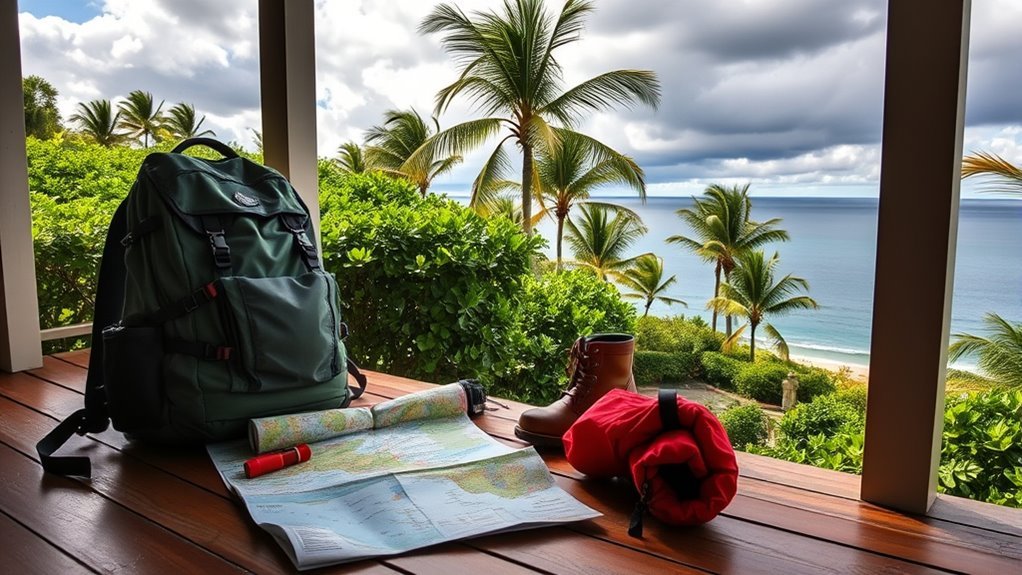
Since November marks the end of Hawaii’s hurricane season, you still need to stay alert for tropical storms and their remnants.
Keep a close eye on local weather forecasts and emergency alerts to stay informed.
Consider travel insurance to protect against weather-related disruptions.
Familiarize yourself with evacuation routes and shelter locations to act swiftly if needed.
| Action | Reason | Tip |
|---|---|---|
| Monitor forecasts | Stay updated on threats | Use trusted weather apps |
| Check emergency alerts | Quick response to warnings | Enable phone notifications |
| Buy travel insurance | Cover cancellations/delays | Verify hurricane coverage |
| Learn evacuation routes | Ensure safety during storms | Map routes before arrival |
| Know shelter locations | Find safe refuge | Ask locals or visitor centers |
Preparing an Emergency Kit for Tropical Weather
Staying prepared for tropical weather means putting together an emergency kit that can support you through possible disruptions.
Start by packing at least a 14-day supply of water—one gallon per person per day—and non-perishable food.
Include essential medications, first aid supplies, and personal hygiene items to handle delays.
Weather-appropriate clothing, rain gear, and sturdy footwear will keep you comfortable during rain showers.
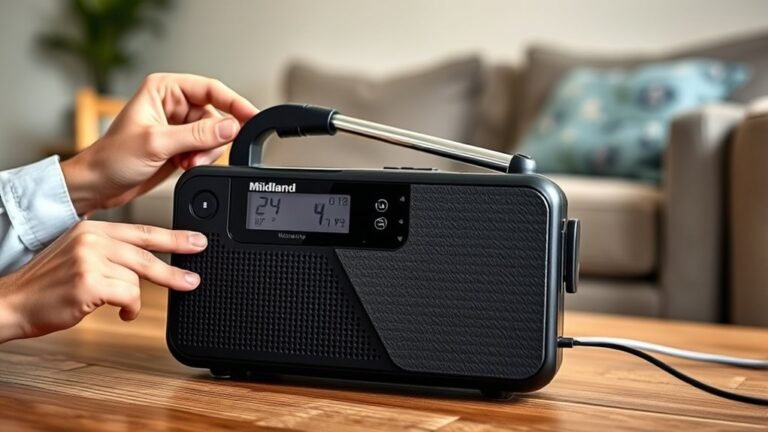
Don’t forget a flashlight, extra batteries, portable phone chargers, and a battery-powered weather radio to stay informed during power outages.
Keep important documents, cash, and local maps handy, and if you have pets, include their supplies too.
This emergency kit ensures you’re ready for the unpredictable Hawaii weather in November, helping you stay safe and self-sufficient when it matters most.
Developing a Family Emergency Plan
Although you can’t foresee every emergency, developing a family emergency plan guarantees everyone knows what to do and where to go during Hawaii’s unpredictable November weather.
Start by creating a communication plan that lists emergency contacts and designates meeting points. Choose an emergency shelter away from flood-prone areas and make sure all family members know how to get there.
Pack a kit with a 14-day supply of essentials like water, food, medications, and important documents, keeping it easily accessible.
Regularly review and practice your family emergency plan, especially before hurricane season or heavy rains.
Staying Informed Through Weather Alerts and Local Agencies
To stay ahead of Hawaii’s unpredictable November weather, you should sign up for emergency notifications from local agencies like HI-EMA and county offices.
These alerts provide real-time updates on tropical storms, heavy rain, and wind conditions.
Receive instant updates on tropical storms, heavy rain, and strong winds to stay prepared and safe.
Monitor the National Weather Service for the latest weather alerts and follow trusted local news and official social media accounts for timely information.
Keep a weather radio or mobile alert app active to receive instant warnings about severe weather or hurricane threats.
Regularly check Hawaii’s Department of Health and emergency management websites to stay informed about safety measures.
Tips for Safe Outdoor Activities During Rainy Periods
When heading outdoors in November’s rain, make sure you carry waterproof gear like rain jackets and umbrellas to stay dry.
Always wear sturdy, non-slip shoes to navigate slippery trails safely.
Keep an eye on weather forecasts so you can adjust your plans if heavy rain or storms are expected.
Waterproof Gear Essentials
Since November brings occasional rain showers in Hawaii, you’ll want to pack essential waterproof gear like rain jackets, quick-drying pants, and waterproof footwear to stay dry and comfortable.
Preparing for November weather means having the right items to enjoy outdoor activities without worry. Here are four must-haves:
- A durable rain jacket that repels water and blocks wind.
- Quick-drying pants to keep you comfortable if you get wet.
- Waterproof footwear to prevent slipping and protect your feet.
- A waterproof backpack or dry bag to keep your valuables safe.
Carrying compact rain ponchos can also be a lifesaver during unexpected showers.
With the right waterproof gear, you’ll stay comfortable and ready to explore Hawaii’s outdoors no matter the rain.
Trail Safety Precautions
Packing waterproof gear helps you stay dry, but traversing Hawaii’s trails during November’s rainy spells calls for extra caution.
November rain often makes paths muddy and slippery, so follow key trail safety precautions.
Always check current weather and trail conditions before you head out.
Wear sturdy, waterproof shoes with good traction and use trekking poles for stability on wet terrain.
Avoid hiking during heavy rain or thunderstorms to prevent flash floods and landslides.
Let someone know your route and return time, and carry a charged phone for emergencies.
| Precaution | Reason | Tip |
|---|---|---|
| Check weather | Prevent surprises | Use official trail reports |
| Wear proper shoes | Avoid slips | Choose waterproof with traction soles |
| Avoid heavy rain | Reduce hazards | Postpone hikes during storms |
Weather Monitoring Tools
Although Hawaii’s November weather can change quickly, you can stay safe by using reliable weather monitoring tools.
Staying updated helps you avoid unexpected rain and plan activities wisely. Here’s how to use weather monitoring effectively:
- Use trusted apps like the Hawaii Weather Service or Windy to get real-time rain and wind updates.
- Check local beach and park advisories for flag warnings, especially on windward sides prone to sudden showers.
- Schedule outdoor trips early when rain chances are lower, and be ready to find shelter if storms appear.
- Carry waterproof gear—rain jackets, umbrellas, and quick-drying clothes—to stay dry during unexpected rain.
Maintaining Health and Well-being During Weather Events
When weather events strike, you need to prioritize your health and well-being by staying informed and prepared.
Keep up with local weather forecasts and emergency alerts to anticipate conditions and act promptly.
Assemble a personal emergency kit stocked with water, non-perishable food, medications, and hygiene supplies to maintain your health during disruptions.
Protect yourself from hazards by avoiding floodwaters and wearing suitable clothing in rain.
Also, maintain mental health by staying connected with loved ones and practicing relaxation techniques.
If needed, reach out to support resources like Hawaii CARES.
Follow public health guidance, including COVID-19 vaccinations and boosters, especially when using shelters or crowded public spaces during weather events.
Staying proactive helps you weather Hawaii’s November conditions safely and healthfully.
Frequently Asked Questions
What Should I Pack for Hawaii in November?
You should pack lightweight, moisture-wicking clothes, a light jacket, and rain gear.
Don’t forget sun protection like sunscreen and a hat.
Sturdy hiking shoes are a must, along with swimwear and snorkeling gear.
Also, bring insect repellent, a first aid kit, and any personal medications you may need.
Is November a Good Month to Visit Hawaii?
Yes, November’s a great time to visit Hawaii.
You’ll enjoy warm weather, fewer crowds, and lower prices.
Just pack a light rain jacket for occasional showers, and you’ll have a fantastic, more relaxed island experience.
Can You Still Swim in Hawaii in November?
You can still swim in Hawaii in November, like a sailor steering changing seas.
Just watch for rougher waves on northern shores, but the leeward beaches offer calm waters perfect for your safe, warm ocean dips.
Is There a Hurricane Season in Hawaii in November?
Yes, Hawaii’s hurricane season runs through November, but the risk decreases considerably.
You should still keep an eye on weather updates since tropical storms or hurricane remnants can occasionally affect the islands even late in the season.
Conclusion
As you prepare for Hawaii’s November weather, remember that the islands receive about 6 inches of rain this month, so staying ready is key.
By packing an emergency kit and having a family plan, you’ll handle sudden showers or storms smoothly.
Keep an eye on local alerts and adjust your outdoor plans to stay safe and healthy.
With these steps, you’ll enjoy Hawaii’s beauty while staying protected during the rainy season.
In conclusion, Hawaii in November can be a mix of sunshine and rain, so it’s essential to be prepared.
Having an emergency kit and a family plan will make handling unexpected weather much easier.
Stay informed with local alerts, and don’t hesitate to change your outdoor plans if needed.
By taking these precautions, you can fully embrace the stunning landscapes and unique experiences Hawaii has to offer, all while staying safe during the rainy season.