How to Prevent Pneumonia Caused by Cold Weather
To prevent pneumonia caused by cold weather, it’s crucial to take proactive steps to protect your lungs.
First off, make sure you’ve had your flu and pneumococcal vaccines. These vaccines play a significant role in safeguarding your respiratory health during the chilly months.
Additionally, practice good handwashing habits and cover your coughs to help stop germs from spreading.
Staying warm is essential too! Layer your clothes and keep your home heated.
Also, try to avoid smoking and secondhand smoke, as these can weaken your lungs significantly.
Don’t forget to eat nutritious foods and stay active to help boost your immunity.
Keep an eye out for early signs of pneumonia, like a persistent cough or fever.
Regular health check-ups can also be beneficial.
There’s plenty more you can do to keep your lungs healthy this winter!
Get Vaccinated to Protect Against Pneumonia

Getting vaccinated is one of the most effective ways to protect yourself against pneumonia, especially during cold weather.
To prevent pneumonia and other respiratory infections, you should get vaccinated with the pneumococcal vaccine, which is especially important during the winter months.
This vaccine is designed to protect your lungs from infections caused by Streptococcus pneumoniae, a common pneumonia culprit.
High-risk groups—like adults 65 and older, young children, smokers, and people with chronic illnesses—benefit the most from this protection.
Besides the pneumococcal vaccine, staying up to date on your flu and COVID-19 shots also helps reduce your chances of severe lung infections.
Talk to your healthcare provider about booster doses to keep your defenses strong and safeguard your health throughout the cold season.
Practice Good Hygiene to Reduce Germ Spread

Although cold weather increases the risk of respiratory infections, you can substantially reduce your chances of catching pneumonia by practicing good hygiene.
Focus on these key habits to limit respiratory germs:
Focus on simple daily habits to minimize respiratory germs and protect your health during cold weather.
1. Proper handwashing: Wash your hands with soap and water for at least 20 seconds.
Do this especially after coughing, sneezing, or touching shared surfaces.
When soap isn’t available, use hand sanitizer with at least 60% alcohol to kill bacteria and viruses.
2. Cover coughs and sneezes: Use a tissue or your elbow to block respiratory droplets.
This prevents them from landing on surfaces or spreading to others.
3. Disinfecting surfaces: Regularly clean frequently touched objects like doorknobs, light switches, and phones.
Doing this helps reduce the risk of germ transmission.
Keep Warm and Dry to Protect Your Respiratory System

To protect your respiratory system in cold weather, layer your clothing properly and use thermal wear to keep warm.
Make sure your indoor space stays at least 18°C to reduce the risk of infections.
Don’t forget to cover your mouth, nose, and extremities outdoors to prevent cold air from irritating your airways.
Layer Clothing Properly
When you layer your clothing properly, you keep your body temperature stable and protect your lungs from cold air.
Dressing properly in cold weather is essential to prevent pneumonia by keeping your respiratory system safe.
To layer clothing effectively, follow these steps:
- Start with thermal wear to trap heat close to your body and keep your core warm.
- Add insulating middle layers that retain warmth but allow moisture to escape, preventing dampness.
- Finish with waterproof and windproof outer layers to block cold wind and moisture, keeping you dry.
Don’t forget hats, scarves, and gloves—they protect extremities and help you stay warm overall.
Maintain Indoor Warmth
Since cold air can irritate your airways, it’s important to keep your indoor environment warm and dry to protect your respiratory system.
Maintaining indoor warmth at a minimum of 18°C helps prevent airway irritation and supports respiratory health.
Use effective heating like thermostats or space heaters to keep your living space consistently warm.
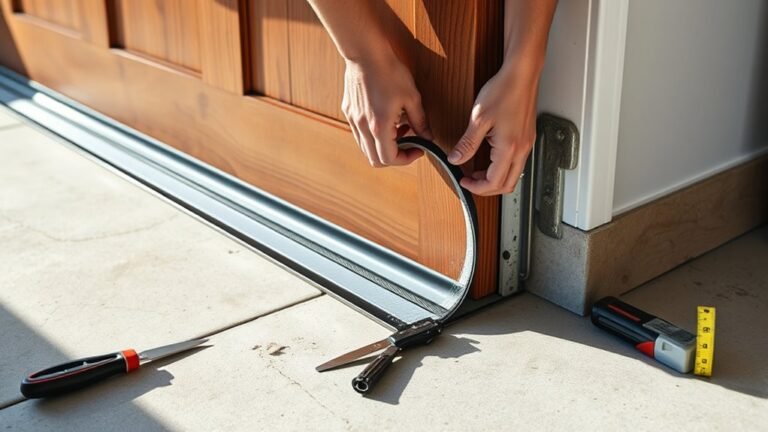
Proper insulation and sealing drafts are essential to block cold air infiltration and maintain steady temperatures.
Additionally, monitor humidity levels, aiming for 40-60%, to avoid dryness that can weaken mucous membranes and increase infection risk.
Simple measures such as using warm blankets, hot water bottles, and hot drinks can also soothe your respiratory passages.
Taking these steps will help you maintain a healthy indoor climate and prevent pneumonia during cold weather.
Protect Extremities Outdoors
Although cold weather challenges your body, protecting your extremities outdoors plays a crucial role in keeping your respiratory system healthy.
Wearing warm hats, scarves, and gloves shields your extremities from cold air, preventing heat loss and lowering your risk of respiratory infections.
To keep your respiratory system protected, follow these tips:
- Cover your mouth and nose with a scarf or mask to warm the air you breathe, reducing airway irritation.
- Keep your hands and feet dry to avoid frostbite and maintain good circulation, which supports immune function.
- Layer with thermal clothing and waterproof outerwear to block cold wind that can constrict your airways.
Strengthen Your Immune System With Nutrition and Exercise
You can boost your immune system by eating nutrient-rich foods like fruits, vegetables, and lean proteins that provide essential vitamins and minerals.
Regular physical activity, such as walking or aerobic exercises, helps improve circulation and immune cell production.
Combining a healthy diet with consistent exercise strengthens your body’s defenses against respiratory infections.
Nutrient-Rich Foods
How can you boost your immune system to better fight off pneumonia during cold weather?
Focus on nutrient-rich foods that provide the essential vitamins your body needs to prevent respiratory infections and maintain overall health.
Here’s how you can strengthen your immune system with nutrition:
1. Eat a variety of fruits, vegetables, whole grains, and lean proteins to supply vitamins A, C, E, and zinc, all vital for immune strength.
These nutrients play a crucial role in helping your body fend off illness.
2. Prioritize foods rich in antioxidants and minerals, which support your body’s defense mechanisms against illness.
Incorporating these foods into your diet can make a significant difference.
3. Stay hydrated with warm fluids like herbal teas and broths to keep mucous membranes healthy and help flush out toxins.
Staying hydrated is just as important as what you eat!
Regular Physical Activity
Pairing a nutrient-rich diet with regular physical activity can considerably strengthen your immune system against pneumonia during cold weather.
Engaging in at least 150 minutes of moderate exercise weekly boosts immune function by increasing the circulation of immune cells, aiding infection prevention.
Exercise also improves lung capacity and strengthens respiratory muscles, which enhances respiratory health and helps clear mucus from your airways.
Daily activities like walking keep you active, reduce inflammation, and lower your vulnerability to pneumonia-causing pathogens.
When you combine consistent physical activity with a diet rich in vitamins A, C, E, and zinc, your body recovers faster and fights infections more effectively.
Staying active during cold months is a key strategy to maintain strong respiratory defenses and overall health.
Avoid Smoking and Secondhand Smoke Exposure
Because smoking damages lung tissue and weakens your immune defenses, it considerably raises your risk of developing pneumonia.
Smoking harms lung tissue and weakens immunity, significantly increasing your risk of pneumonia.
To protect your lung health during cold weather, you should:
- Quit smoking to reduce smoke exposure and strengthen your immune defenses. This will help lower your pneumonia risk.
- Avoid secondhand smoke. It irritates your airways and makes you more vulnerable to infections.
- Get vaccinated against pneumococcal pneumonia, especially if you’re a smoker or regularly exposed to smoke.
Taking these steps can really make a difference in keeping your lungs healthy.
Recognize the Warning Signs of Pneumonia Early
When cold weather brings sudden cough, chest pain, or trouble breathing, you should pay close attention to these symptoms.
These early symptoms and other respiratory signs like high fever, chills, and discolored mucus are key pneumonia warning signs you must recognize promptly.
Persistent symptoms that follow a cold or flu, such as confusion or sudden fatigue—especially in older adults—also signal the need for immediate medical evaluation.
By identifying the signs of pneumonia early, you can seek treatment quickly and reduce the risk of serious complications.
Don’t ignore these warning signs; recognizing pneumonia early helps protect your health during cold weather and ensures timely care when you need it most.
Maintain Regular Health Check-ups During Winter
Recognizing pneumonia early is just one step in protecting your health during winter.
Maintaining regular health check-ups plays a critical role in reducing pneumonia risk, especially during the cold months.
Regular health check-ups are vital for lowering pneumonia risk during the winter season.
Here’s why you should stay consistent with your visits:
1. Your healthcare provider will monitor respiratory conditions and chronic illnesses like asthma or COPD.
This helps prevent complications that could lead to pneumonia.
2. Regular check-ups ensure your vaccination status is up to date.
This includes pneumococcal and flu vaccines, which are essential for the winter season.
3. Doctors assess your lung function and tailor preventive measures to your specific needs.
This proactive approach helps you stay ahead of potential issues.
Frequently Asked Questions
How to Avoid Pneumonia in Cold Weather?
You can avoid pneumonia in cold weather by dressing warmly and covering your mouth and nose.
Washing your hands often is crucial, as well as avoiding sick people when possible.
Getting vaccinated yearly can also provide protection against pneumonia.
Additionally, keeping indoor humidity balanced helps, and drinking warm fluids supports your immune system.
Why Is Pneumonia Worse in Winter?
You feel trapped inside with friends close, yet cold air weakens your defenses.
Winter’s dry chill and fewer sunny days let viruses thrive, making pneumonia hit harder when your immune system’s already struggling to keep up.
Can Freezing Weather Cause Pneumonia?
Yes, freezing weather can cause pneumonia by weakening your immune system and irritating your airways.
This makes you more vulnerable to infections.
You should protect yourself by staying warm and avoiding prolonged exposure to cold temperatures.
Conclusion
Just like a sturdy umbrella shields you from a winter storm, these steps protect your lungs from pneumonia’s chill.
By staying vaccinated, practicing good hygiene, and keeping warm, you build a fortress around your health.
Nourish your body, avoid harmful smoke, and stay alert to warning signs—each action is a thread weaving your defense.
Remember, regular check-ups are your compass through cold seasons.
Stay vigilant, and you’ll weather the cold with strength and resilience.
In conclusion, protecting yourself from pneumonia during cold weather is essential. By staying vaccinated, practicing good hygiene, and maintaining warmth, you can significantly reduce your risk.
Nourishing your body and avoiding harmful smoke also plays a critical role. Always stay alert to any warning signs and make regular check-ups part of your routine.
With these strategies, you can confidently face the cold, ensuring your lungs remain healthy and strong.