
10 Tips for Safe Running in 90 Degree Weather
To run safely in 90-degree weather, it’s essential to take some precautions to protect your health. The heat can be challenging, but by following a few tips, you can enjoy your run while minimizing risks.
First, choose cooler times of the day, like early morning or late evening, to hit the pavement.
Also, dress in light, breathable clothes to help keep your body temperature down.
Hydration is key! Make sure to hydrate well before, during, and after your run.
Adjust your pace to avoid overheating; there’s no need to push yourself too hard in the heat.
Wearing a hat can help shield you from the sun, and don’t forget to apply sunscreen to protect your skin.
Gradually acclimate your body to the heat by slowly increasing your running time in warm conditions.
When planning your route, look for areas with shade and access to water.
Always be on the lookout for heat-related symptoms, and it’s best to avoid alcohol before your run.
Above all, prioritize your safety and listen to your body.
Keep going to uncover more helpful tips!
Choose Cooler Times of Day to Run

Although running at any time can be beneficial, choosing to run early in the morning or late in the evening helps you avoid the intense heat and sun exposure between 10 a.m. and 4 p.m.
During these peak hours, the heat can feel 15-20°F hotter due to humidity and direct sun, increasing your risk of heat exhaustion.
Peak heat hours feel 15-20°F hotter from humidity and sun, raising heat exhaustion risks.
By opting for cooler times of day, like the early morning, you reduce your exposure to harmful UV rays and lower the chance of skin damage or sunburn.
Running during these cooler times also improves your body’s thermoregulation, making your workout more comfortable and safer.
Adjusting your schedule this way supports gradual heat acclimatization, ultimately enhancing your performance in hot weather.
Dress in Light and Breathable Clothing

Picking the right time to run is just one part of staying safe in the heat; what you wear plays a big role too.
Opt for light-colored, breathable fabrics like microfiber polyester or cotton blends to reflect sunlight and wick sweat away.
Loose-fitting clothes improve ventilation, allowing your body to cool more efficiently.
Avoid dark, heavy, or tight clothing that traps heat.
| Clothing Feature | Benefit |
|---|---|
| Light-colored | Reflects sunlight |
| Breathable fabrics | Allows air circulation |
| Loose fit | Enhances ventilation |
| Mesh panels/vents | Improves thermoregulation |
Choosing the right attire helps you stay comfortable and prevents overheating during your run in 90-degree weather.
Hydrate Before, During, and After Your Run
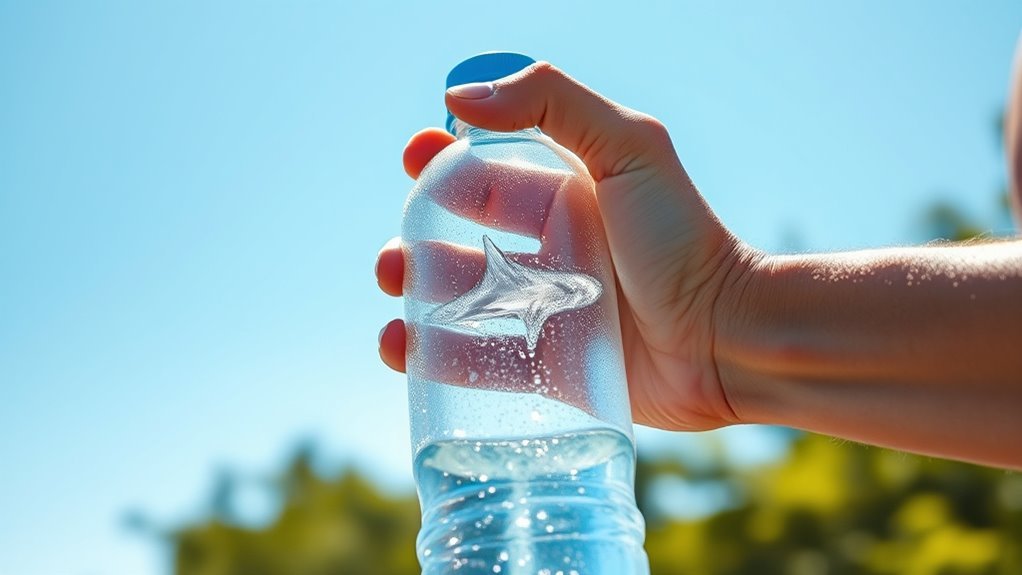
Make sure you drink 16 ounces of water or a sports drink at least an hour before your run to stay properly hydrated.
Keep sipping 5-8 ounces every 20 minutes while running, especially if it’s hot or you’re out for a long time.
After your run, replenish fluids right away to help your body recover and stay balanced.
Pre-Run Hydration Tips
When running in 90-degree weather, you need to prioritize hydration before, during, and after your workout to maintain performance and prevent dehydration.
Start by drinking 16 ounces of water or a sports drink 1-2 hours before your run to guarantee proper hydration.
About 10-15 minutes before hitting the pavement, consume another 10-15 ounces of water to optimize your fluid balance.
These steps help prepare your body to handle the heat and sweat loss.
Pay close attention to your body’s thirst signals and adjust your intake accordingly.
Proper pre-run hydration with water and fluids sets the foundation for a safer, more effective run in hot conditions.
Don’t underestimate this essential step to keep your energy up and avoid dehydration-related issues.
Hydrate During Running
Staying hydrated before your run sets you up for success, but keeping your fluid levels steady during your workout is just as important.
When temperatures soar, your body loses fluids faster, so maintaining hydration is key to avoiding cramps, dizziness, or exhaustion.
Remember these essential tips to stay safe and energized:
- Drink 5-8 ounces of water or electrolyte fluids every 20 minutes during your run.
- Carry a water bottle or hydration pack for runs longer than 60 minutes to ensure steady fluid intake.
- Pay attention to signs of dehydration like dry mouth or dizziness and adjust your hydration accordingly.
- Choose fluids that replenish electrolytes to support your body’s balance and performance.
Hydrating during your run helps you stay strong and enjoy your workout despite the heat.
Post-Run Fluid Replacement
Proper fluid replacement after your run is essential to help your body recover and maintain performance.
Once you finish, don’t wait—rehydrate immediately with water or a sports drink to restore your fluid balance.
Carry a water bottle during longer runs, especially those over 60 minutes, so you can maintain hydration throughout.
Before you even start running, drink 16 ounces of a sports drink about an hour prior to ensure you’re well-hydrated.
During your run, aim to consume 5-8 ounces of fluids every 20 minutes to replenish lost electrolytes and fluids.
Pay attention to your body’s thirst signals and any signs of dehydration, adjusting your hydration plan accordingly.
Staying consistent with hydration before, during, and after your run will help you stay safe and perform your best in 90-degree weather.
Adjust Your Pace According to the Heat
As temperatures climb above 60°F, you’ll notice your running pace naturally slows by about 20 to 30 seconds per mile for every 5-degree increase.
This slowdown is your body’s way of coping with heat stress. To stay safe and maintain hydration, adjust your pace based on how hard you feel you’re working rather than strict speed.
Here’s how to manage your pace effectively in the heat:
- Listen to your body’s signals and ease up if you feel overheated.
- Slow your pace to reduce sweat loss and conserve hydration.
- Avoid pushing too hard; preserving energy is key in hot weather.
- Monitor your effort level regularly to prevent heat-related illnesses.
Adjusting your heat-aware pace helps you stay safe and enjoy your run.
Use Sun Protection and Wear a Hat
When you slow your pace to handle the heat, don’t forget that the sun’s rays can still take a toll.
Wearing a hat is essential for sun protection, as it can block up to 50% of harmful UV rays, shielding your face, neck, and shoulders from sunburn and skin damage.
Choose a light-colored, breathable hat to keep your head cool and prevent heat buildup.
Applying broad-spectrum sunscreen with SPF 30+ on exposed skin under your hat adds extra defense against UV damage.
For an immediate cooling effect, try dipping your hat in cold water before your run—this helps regulate your body temperature and keeps you comfortable.
Prioritizing sun protection with a good hat lets you run safely even in 90-degree weather.
Seek Shade and Grass When Possible
When you run in shaded areas, your body stays up to 10°F cooler than on exposed pavement.
Choosing grassy paths over asphalt helps reduce heat absorption and keeps you more comfortable.
Seeking shade and grass not only cools you down but also lowers your risk of heat-related issues during hot runs.
Benefits of Shade
Running through shaded areas can lower your skin temperature by up to 10°F, substantially easing heat stress.
Shade not only cools you down but also shields you from direct sun, which reduces the risk of sunburn and heat-related illnesses.
Cooler surfaces found in shaded spots help keep your body temperature in check, making your run more comfortable and safer.
Here’s why you should prioritize shade during your run:
- Decreases your risk of heat exhaustion and heat stroke.
- Helps maintain a lower core body temperature.
- Provides relief from harsh sun exposure.
- Allows for longer, more enjoyable runs in high heat.
Embrace shade to protect your body and boost your endurance when running in 90-degree weather.
Grass Versus Pavement
Although pavement may seem convenient, choosing grass or shaded paths can considerably reduce heat exposure during your run.
Pavement absorbs and retains heat, often reaching temperatures above 140°F on hot days. This can increase your risk of burns and heat-related stress.
Grass, on the other hand, stays cooler and helps prevent overheating by providing a softer, less heat-absorbing surface.
Running on grass or shaded trails also minimizes your contact with hot, reflective surfaces that elevate your body temperature.
By seeking out grassy, shaded routes, you not only improve comfort but also reduce the risk of heat exhaustion when temperatures hit 90 degrees or higher.
Whenever possible, prioritize grass over pavement to keep your body cooler and safer during summer runs.
Cooling Effects Outdoors
Choosing grass over pavement not only helps reduce heat exposure but also enhances your body’s ability to stay cool.
When you run on shaded routes and grassy paths, you benefit from natural cooling effects that pavement simply can’t offer.
Shade lowers skin temperature and cuts down on sunburn risk, while grass retains moisture and stays cooler than asphalt.
To maximize cooling outdoors, remember these tips:
- Seek out shaded routes to minimize direct sun exposure.
- Opt for grassy surfaces to promote better thermoregulation.
- Use trees or structures as natural shade breaks during your run.
- Avoid open, sun-drenched pavement during peak heat hours.
Staying cool is key, so make the most of your outdoor runs!
Acclimate Gradually to Hot Weather
When you gradually expose yourself to hot weather over 1 to 2 weeks, your body adapts by improving sweat efficiency and increasing plasma volume.
This process, known as heat acclimation, helps your thermoregulatory system work more effectively during runs in 90 degree weather.
To do this, focus on gradual exposure by slowly increasing your training duration and intensity each day.
Aim to spend 4-6 hours per week in warm environments to promote these beneficial changes.
During heat training, avoid pushing yourself to exhaustion early on; instead, prioritize steady, consistent effort to prevent heat-related illnesses.
Monitor Your Body for Heat-Related Symptoms
Because your body can quickly show signs of heat stress, you need to monitor yourself closely during runs in 90 degree weather.
Recognizing heat-related symptoms early helps prevent serious issues like heat exhaustion or heatstroke.
Early recognition of heat symptoms is key to preventing serious conditions like heat exhaustion and heatstroke.
Here’s what to watch for:
- Heavy sweating, cold clammy skin, rapid heartbeat, nausea, dizziness, or fatigue—signs of heat exhaustion.
- Chills, confusion, or loss of coordination—stop running and find shade immediately.
- Red, hot, dry skin with confusion or unconsciousness signals heatstroke—call emergency services right away.
- Use a fitness tracker to monitor your heart rate and body temperature for abnormal spikes.
If symptoms persist after cooling and hydrating for 15-20 minutes, consult a healthcare professional.
Always listen to your body and prioritize safety.
Plan Your Route to Include Water Access
Staying alert to heat-related symptoms helps keep you safe, but planning your route with water access guarantees you stay hydrated and ready.
When route planning, choose paths with multiple water fountains or spots like convenience stores or cafes where you can quickly grab fluids.
Use a GPS or running app to map out these water stops, helping you stay on schedule while maintaining hydration.
If your run lasts over 60 minutes, carry a water bottle or hydration pack to avoid dehydration.
Including shaded trails or areas near natural water sources in your route also aids in regulating your body temperature.
Prioritizing water access during your run ensures you stay refreshed, safe, and able to perform at your best even in 90-degree weather.
Avoid Alcohol and Stay Focused on Safety
You might think a cold drink after your run helps, but alcohol actually dehydrates you and raises your risk of heat illness.
Staying away from alcohol lets your body regulate temperature better and keeps you safer in 90-degree heat.
Focus on water or electrolyte drinks to rehydrate and protect yourself during hot runs.
Alcohol Impacts Hydration
Although a cold drink might seem invigorating after a hot run, alcohol actually worsens dehydration by increasing urine output and hindering your body’s ability to retain fluids.
When you drink alcohol around your workouts, you risk undermining hydration and boosting your chances of heat-related illnesses.
To protect yourself, remember these points:
- Alcohol acts as a diuretic, pulling water from your system.
- It interferes with electrolyte balance, critical for regulating body heat.
- Drinking alcohol can dull your judgment and coordination, making heat dangers worse.
- Avoid alcohol before, during, and after running in 90-degree weather to stay safe and properly hydrated.
Focus on water and sports drinks to maintain hydration and prevent heat-related illnesses effectively.
Prioritize Heat Illness Safety
When running in 90-degree weather, prioritizing heat illness safety means steering clear of alcohol before, during, and after your workout.
Alcohol acts as a diuretic, causing fluid loss that hinders your body’s ability to stay cool and maintain proper hydration.
This increases your risk of heat exhaustion and heat stroke.
Avoiding alcohol guarantees you stay alert to symptoms like dizziness, nausea, and confusion—early signs that you need to stop and seek help.
Instead, focus on drinking water or electrolyte-rich sports drinks to keep your hydration levels balanced.
Remember, alcohol can mask heat illness symptoms, delaying critical treatment and putting your health in danger.
Staying focused on safety and hydration helps you run smarter and safer in hot conditions.
Frequently Asked Questions
Is Running in 90 Degree Weather Safe?
Running in 90-degree weather isn’t usually safe unless you take precautions.
You should stay hydrated, wear breathable clothes, and avoid peak heat hours.
Also, listen to your body.
Stop immediately if you feel dizzy or nauseous.
What Is the 80% Rule in Running?
The 80% rule means you shouldn’t push beyond 80% of your maximum effort while running.
It helps you avoid overexertion, especially in tough conditions.
Keeping your pace sustainable reduces injury or heat illness risks.
What Is the 10-10-10 Rule for Running?
Think of the 10-10-10 rule as your running compass in heat:
You limit workouts to 10 minutes, keep intensity low,
and listen closely to your body to avoid overheating when temperatures hit 90°F or above.
How to Prepare for a Run in Hot Weather?
You should gradually build up your heat tolerance by running daily for 1-2 hours over two weeks.
Hydrate well an hour before, wear lightweight breathable clothes, and schedule runs during cooler early morning or evening hours.
By doing this, you’ll help your body adjust to the heat and stay comfortable while you run.
Remember to listen to your body and take breaks if you start to feel overheated!
Conclusion
Running in 90-degree weather is like steering a blazing trail—each step requires care and respect.
By choosing cooler times, dressing light, and staying hydrated, you shield yourself from the sun’s fierce blaze.
Listen to your body as your compass, and let gradual acclimation be your steady rhythm.
With these tips, you’ll turn the heat into a challenge you can conquer, running safely beneath the blazing sky, strong and unbroken.
—
When the temperature rises, it’s essential to prioritize your safety while running.
Opt for early morning or late evening runs to dodge the peak heat.
Light, breathable clothing is your best friend, helping to keep your body cool.
Hydration is crucial, so make sure to drink plenty of water before, during, and after your run.
Pay attention to how your body feels, and don’t hesitate to take breaks if needed.
With these strategies, you can enjoy your runs even in 90-degree weather, staying safe and energized.
Remember, running smart will help you conquer the heat and keep your fitness journey on track!