How Does Cold Weather Affect Tire Pressure Sensors and How to Fix It
Cold weather can have a significant impact on tire pressure sensors, specifically the tire pressure monitoring system (TPMS). As temperatures drop, your tire pressure can decrease by about 1 PSI for every 10°F drop. This often triggers the TPMS warning light, alerting you to potential issues.
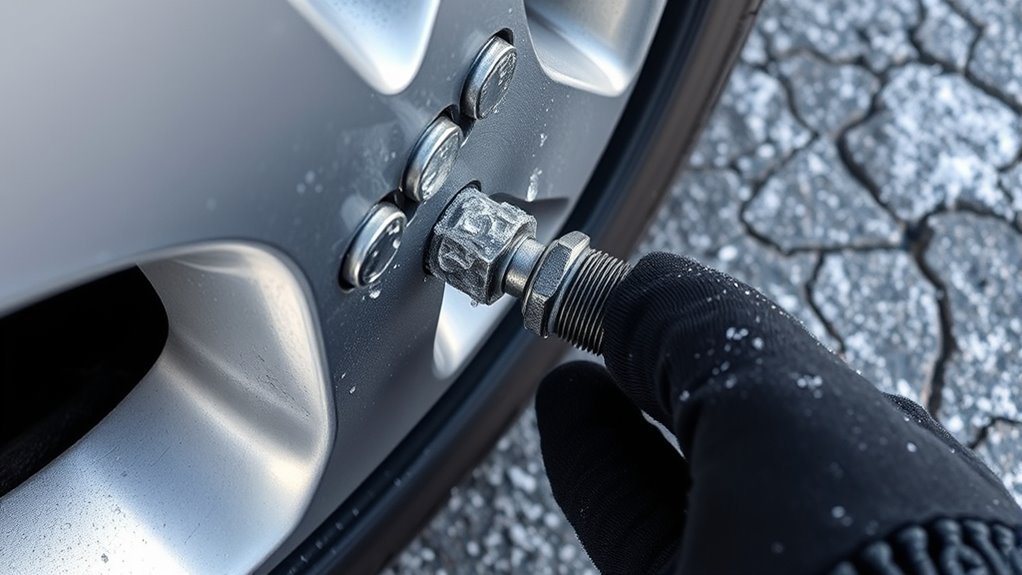
Additionally, the cold can weaken the batteries of the TPMS sensors, making them less reliable. Ice buildup around the sensors can also lead to false alerts or malfunctions, which can be quite frustrating.
To address these issues, it’s essential to regularly check and inflate your tires when they are cold.
Don’t forget to remove any ice around the sensors, as this can interfere with their function.
Lastly, driving the vehicle for a short distance may help reset the system.
Understanding these steps is key to keeping your TPMS accurate and ensuring your vehicle remains safe on the road.
The Science Behind Tire Pressure Changes in Cold Weather
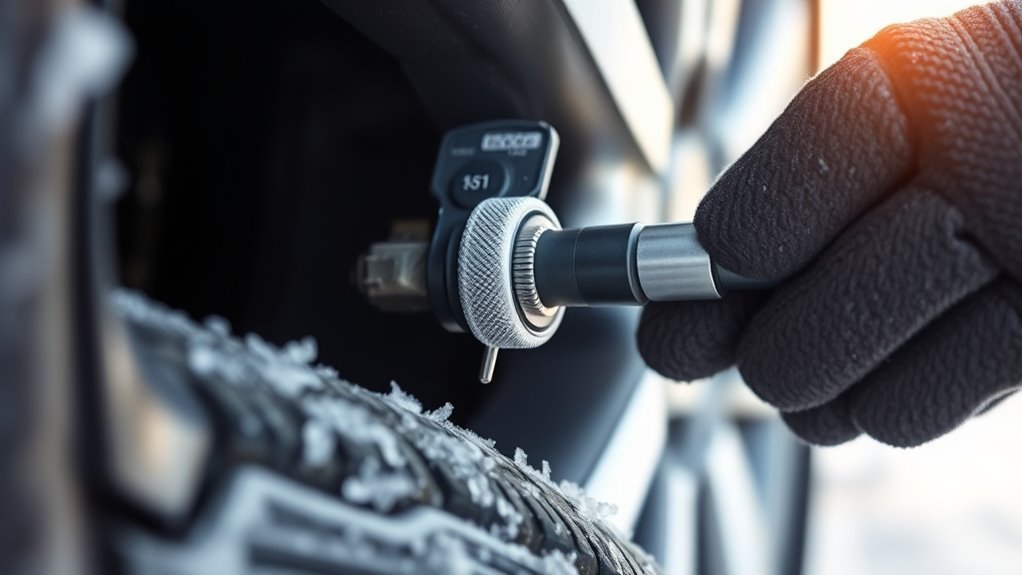
Although you might not notice, cold weather directly causes the air inside your tires to contract, lowering the pressure by about 1 PSI for every 10°F drop in temperature.
Cold weather causes tire air to contract, dropping pressure roughly 1 PSI for every 10°F decrease.
This happens because as temperature changes, the kinetic energy of air molecules decreases, reducing their volume and tire pressure.
The ideal gas law explains this: pressure is directly proportional to temperature when the tire’s volume stays constant.
So, even without leaks, your tire pressure can drop 1 to 2 PSI for every 18°F decrease.
These pressure changes often trigger your vehicle’s TPMS alerts, warning you of low tire pressure.
Understanding this science helps you realize that temperature changes—not leaks—usually cause these alerts during cold weather.
This knowledge helps you respond appropriately when you see those warnings.
How Cold Temperatures Impact TPMS Sensor Performance
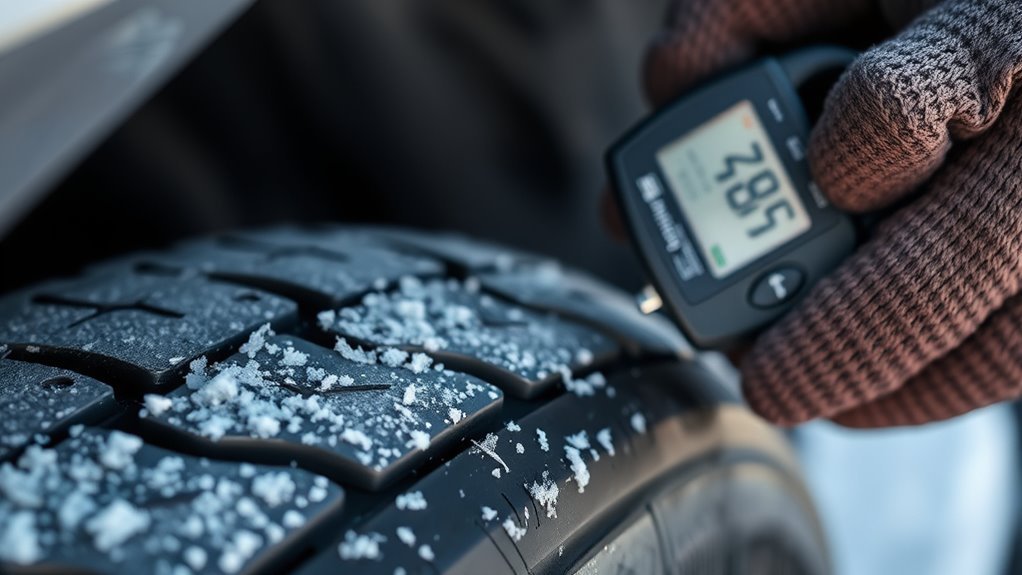
When temperatures plunge, your TPMS sensors can struggle to keep up with accurate readings.
Cold weather causes the air inside your tires to contract, dropping pressure roughly 1 PSI for every 10°F decrease.
This pressure loss often triggers TPMS alerts, warning you of low tire pressure.
Beyond air contraction, extreme cold can weaken sensor batteries, leading to malfunctions or false warnings.
Ice buildup or condensation on tire pressure sensors further disrupts their ability to measure and transmit data correctly.
Because of these factors, your TPMS may not always reflect the true tire condition in winter.
Staying aware of how cold weather impacts your sensors helps you respond promptly to alerts and maintain safe tire pressure throughout the season.
Common Reasons for TPMS Light Activation During Winter
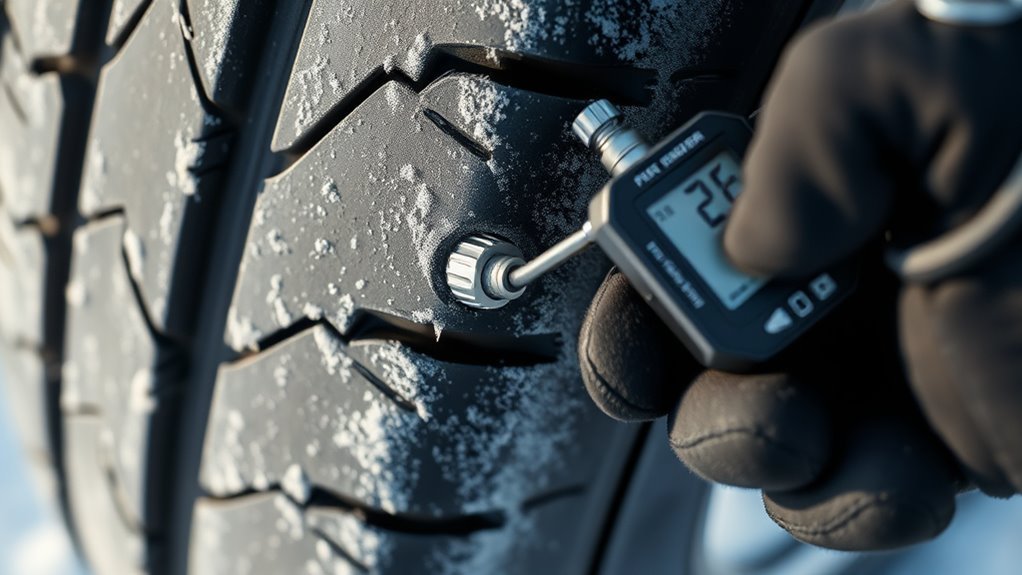
Because cold weather causes tire pressure to drop and sensor batteries to weaken, your TPMS light often comes on during winter.
Low pressure triggers are common since tire pressure drops about 1 PSI for every 10°F decrease.
Ice or condensation on sensors may also cause false alerts.
Additionally, cold weather weakens TPMS battery signals, leading to malfunctions.
Rapid temperature swings can create inconsistent readings, activating the TPMS light even if pressure is okay.
Here’s a quick look:
| Cause | Effect | Why It Happens |
|---|---|---|
| Low pressure | TPMS light activates | Pressure drops in cold weather |
| Ice on sensors | False alerts | Ice builds up on TPMS units |
| Weak battery signals | Sensor malfunctions | Cold temperatures affect power |
| Temperature swings | Inconsistent readings | Rapid changes confuse sensors |
Understanding these can help you better react to TPMS warnings in winter.
Effects of Low Tire Pressure on Vehicle Safety and Performance
When your tire pressure drops, you’ll notice your vehicle handles less predictably and brakes less effectively.
This can be dangerous.
You’ll also use more fuel because under-inflated tires create extra resistance.
Plus, uneven tire wear will shorten your tires’ lifespan, leading to more frequent replacements.
Handling and Braking Risks
Although cold weather can be harsh on your vehicle, low tire pressure directly compromises how well you handle and brake.
When your tires aren’t properly inflated, their contact patch shrinks, reducing grip and impairing handling and braking performance.
This makes steering less responsive and increases braking distances, especially on icy or snowy roads.
Under-inflated tires also cause sidewall flex, which decreases vehicle stability during sudden maneuvers, raising the risk of accidents.
Your TPMS alerts you to pressure drops so you can act quickly, but ignoring those warnings puts you at greater risk.
To maintain ideal handling and braking in cold weather, regularly check and adjust your tire pressure.
This ensures your tires perform safely and effectively no matter the temperature.
Fuel Efficiency Impact
How much does low tire pressure affect your fuel economy?
In cold weather, tire pressure drops, which increases rolling resistance and can reduce fuel efficiency by up to 3.3%.
Keeping your tires properly inflated is vital for saving fuel and maintaining performance.
Here’s what you should know:
- Low tire pressure means your engine works harder, using more fuel.
- Cold weather causes tire pressure to drop, so be sure to check it regularly.
- Proper tire pressure ensures smooth driving and maximizes fuel efficiency.
- Maintaining correct pressure helps you avoid unnecessary fuel costs and keeps your vehicle safe.
Tire Wear and Damage
Since low tire pressure increases sidewall flex, it causes uneven wear and shortens your tires’ lifespan.
Driving on under-inflated tires enlarges the contact patch, speeding up tread and shoulder tire wear, especially on icy or rough roads.
This uneven tire wear can create bald spots, risking blowouts and damaging your tire’s structure.
Low tire pressure also reduces handling and braking, jeopardizing your safety.
Monitoring tire pressure regularly prevents damage and maintains peak performance.
| Effect | Result |
|---|---|
| Increased sidewall flex | Uneven tire wear |
| Larger contact patch | Accelerated tread and shoulder wear |
| Consistent low pressure | Bald spots and blowouts |
| Reduced pressure | Poor handling and braking |
| Structural damage | Cuts, punctures, sidewall bulges |
Diagnosing TPMS Issues Related to Cold Weather Conditions
When cold weather hits, your TPMS sensors might give false low-pressure alerts due to ice buildup or weakened batteries.
You’ll want to check if temperature drops are causing pressure changes or if ice is interfering with the sensors.
If warnings persist after warming your tires, it’s time to troubleshoot or inspect the sensors for potential issues.
Common Cold-Weather Sensor Problems
Even if your tires seem fine, cold weather can cause your TPMS sensors to give false low-pressure warnings or stop working altogether.
TPMS sensors often face sensor malfunction due to cold temperatures. Here are common issues you might encounter:
- Ice buildup or water condensation inside sensors disrupts pressure readings.
- Sensor batteries weaken or die faster in low temperatures, causing failure.
- Ice formation blocks data transmission, leading to inaccurate alerts.
- Older sensors with failing batteries struggle more during cold snaps.
These problems can cause intermittent or inconsistent TPMS warning signals. This makes it hard to trust your tire pressure alerts.
Recognizing these common cold-weather sensor problems helps you stay ahead of potential issues and maintain safe driving conditions.
Troubleshooting TPMS Alerts
Although cold weather often triggers frustrating TPMS alerts, you can troubleshoot these issues effectively by understanding their common causes.
A pressure decrease of about 1 psi occurs for every 10°F drop, so your tires might appear underinflated even if they’re properly filled.
Ice buildup or condensation on the sensors can also cause false low-pressure warnings by interfering with readings.
If your TPMS sensors are older, their batteries may weaken in cold weather, leading to persistent alerts despite normal pressure.
To fix this, check your tire pressures when tires are warm.
Also, remove any ice around sensors or valve stems, and consider replacing aging sensors.
These steps help you diagnose and resolve TPMS issues caused by cold weather efficiently.
Steps to Check and Maintain Proper Tire Pressure in Winter
Since cold temperatures cause tire pressure to drop, you should check your tires when they’re cold—ideally after your vehicle has been parked for several hours or overnight.
Check tire pressure when tires are cold, ideally after a few hours of parking, to ensure accuracy.
This helps avoid inaccurate readings and TPMS light alerts triggered by cold weather pressure changes.
Follow these steps to maintain proper tire pressure in winter:
- Use a reliable tire pressure gauge to measure each tire’s pressure.
- Compare readings to the manufacturer’s recommended PSI found on the driver’s door or manual.
- Inflate tires to the specified PSI without overinflating, since pressure rises when tires warm.
- Inspect tire pressure every two to four weeks during winter and securely replace valve caps to prevent leaks.
Regular checks keep your tires safe and your TPMS light off.
How to Reset Your TPMS After Correcting Tire Pressure
After you’ve corrected your tire pressure following the steps above, you’ll need to reset your TPMS to clear any warning alerts.
First, drive your vehicle for 10–15 minutes above 30 mph to allow an automatic TPMS reset.
If the warning light stays on, check your owner’s manual for a manual reset button or use the vehicle’s settings menu.
For persistent alerts, an OBD-II scanner or TPMS reset tool can clear error codes.
Remember, cold weather affects tire pressure readings, so ensure your tires are warm and properly inflated before resetting.
| Step | Action | Notes |
|---|---|---|
| 1 | Inflate tires to correct pressure | Use a reliable gauge |
| 2 | Drive 10–15 mins at 30+ mph | Allows automatic TPMS reset |
| 3 | Manual reset or scanner | Consult manual if needed |
Preventive Measures to Protect TPMS Sensors in Cold Climates
To keep your TPMS sensors working well in cold weather, you need to maintain their batteries and check tire pressure regularly.
Safeguarding sensors from ice buildup is just as important to prevent malfunctions.
Taking these steps ensures your sensors stay accurate and reliable all winter long.
Sensor Battery Maintenance
Cold weather can cut the life of your TPMS sensor batteries considerably. Sometimes, they may only last half of their usual 5-10 year span.
To keep your tire pressure sensors reliable in freezing conditions, focus on sensor battery maintenance. Here’s what you can do:
- Replace sensor batteries proactively before winter starts to avoid false low tire pressure alerts.
- Choose high-quality, temperature-resistant batteries designed to perform well in cold weather.
- Schedule regular inspections of your TPMS sensors to catch battery wear early.
- Ensure professional installation to avoid damage and maximize battery lifespan.
Taking these steps can help ensure that your TPMS sensors stay functional, even in the harshest winter conditions.
Regular Tire Pressure Checks
Although tire pressure sensors help monitor your tires, you still need to check your tire pressure regularly during cold weather.
Cold temperatures cause pressure in tires to drop, triggering TPMS alerts.
To prevent this, check tire pressure at least once a month when tires are cold—before driving or after three hours of rest.
Use a reliable tire gauge to get accurate readings and inflate tires to the manufacturer’s recommended PSI.
Don’t forget to inspect spare tires and sensors too, keeping them properly inflated to avoid false TPMS warnings.
If your TPMS sensors or their batteries are older than five years, consider replacing them, as cold weather accelerates sensor failure.
Regular checks help maintain accurate tire pressure and keep your TPMS functioning well in winter.
Protecting Sensors From Ice
When temperatures drop, ice can quickly form on your TPMS sensors. This can lead to inaccurate readings or malfunctions.
To prevent ice buildup and guarantee reliable sensor protection, follow these steps:
- Apply a thin layer of Vaseline or silicone grease on sensors and valve stems. This helps block water intrusion and reduces ice formation.
- Use protective covers or wraps to insulate and elevate sensors. This minimizes direct exposure to freezing moisture.
- Check that sensors are properly mounted and sealed. This prevents water and ice from entering critical areas.
- Store your vehicle in a heated garage or use tire covers. This shields sensors from extreme cold and ice accumulation.
Regularly inspect and clean sensors to remove snow and debris. This keeps them in top condition during winter.
When to Replace TPMS Batteries or Sensors Due to Cold Weather
If your TPMS warnings keep popping up after the temperature drops, it’s likely time to substitute the sensor batteries.
Cold weather drains TPMS batteries faster, especially if your sensors are around 5 years old.
When these batteries weaken, they can’t send accurate tire pressure data, causing false alerts.
Manufacturers recommend sensor replacement every 5 to 7 years to avoid issues related to battery failure.
Ignoring persistent warnings can risk your safety and tire health.
By replacing TPMS batteries or sensors before they completely fail, you ensure reliable monitoring during cold seasons.
Don’t wait for sensors to die—proactive sensor replacement keeps your TPMS functioning properly and protects your vehicle in harsh cold weather conditions.
Tips for Winter Tire Care to Avoid TPMS Malfunctions
Since cold weather can cause tire pressure to drop and trigger TPMS alerts, you should check and maintain your tire pressure regularly during winter.
Keeping your tires properly inflated helps prevent TPMS malfunctions caused by underinflated tires.
Follow these tips for effective winter tire care:
- Check tire pressure when tires are cold using a high-quality tire gauge, and inflate to the manufacturer’s recommended PSI.
- Regularly inspect spare tires with TPMS sensors to avoid unexpected warning lights.
- Apply Vaseline on valve stems and sensor connections to prevent air leaks and ice buildup affecting sensor readings.
- Monitor TPMS sensor performance, and replace batteries if they malfunction in cold temperatures.
Taking these steps will help keep your TPMS accurate and your tires safe throughout winter.
Frequently Asked Questions
Why Do Tire Sensors Stop Working in the Cold?
Your tire sensors stop working in the cold because low temperatures weaken their batteries,
cause ice buildup, and disrupt electronics.
To fix this, keep sensors dry,
check batteries regularly, and recalibrate the system after cold exposure.
Do I Need to Put Air in My Tires When It’s Cold?
Yes, you should check your tire pressure when it’s cold and add air if it’s below the recommended level.
Cold air lowers pressure, so topping up keeps your tires safe, efficient, and prolongs their life.
What to Do When a Tire Pressure Sensor Faults?
When a tire pressure sensor faults, don’t panic like your car’s about to explode!
Check tire pressure, reset the system, and if the warning stays, visit a mechanic to inspect or replace the sensor—your safety depends on it!
Why Is My Tire Pressure Light on but My Tires Are Full?
Your tire pressure light might be on because cold weather lowers pressure slightly or causes sensor issues like ice buildup.
Try driving to warm tires or check sensors for faults.
Sometimes the light stays on despite full tires.
Conclusion
Cold weather can cause your tire pressure sensors to struggle, sending signals that spark safety concerns.
Staying sharp by checking your tires regularly and resetting your TPMS after adjustments keeps you cruising confidently.
Preventive practices protect your sensors from the chill, preventing pesky problems and prolonging performance.
Remember, routine readiness and replacing worn batteries or sensors guarantee smooth, safe drives despite winter’s wicked weather.
So, don’t delay—defend your drive and dodge winter woes with wise tire care!
In conclusion, cold temperatures can impact tire pressure sensors, leading to inaccurate readings. Regular tire checks and timely TPMS resets are essential for safe driving. Additionally, maintaining your sensors and replacing worn components can help avoid issues. Taking these preventive measures will ensure your vehicle performs optimally even in harsh winter conditions. Stay proactive, and you’ll enjoy a smooth, safe ride throughout the chilly months!