What Should You Wear Today for the Weather?
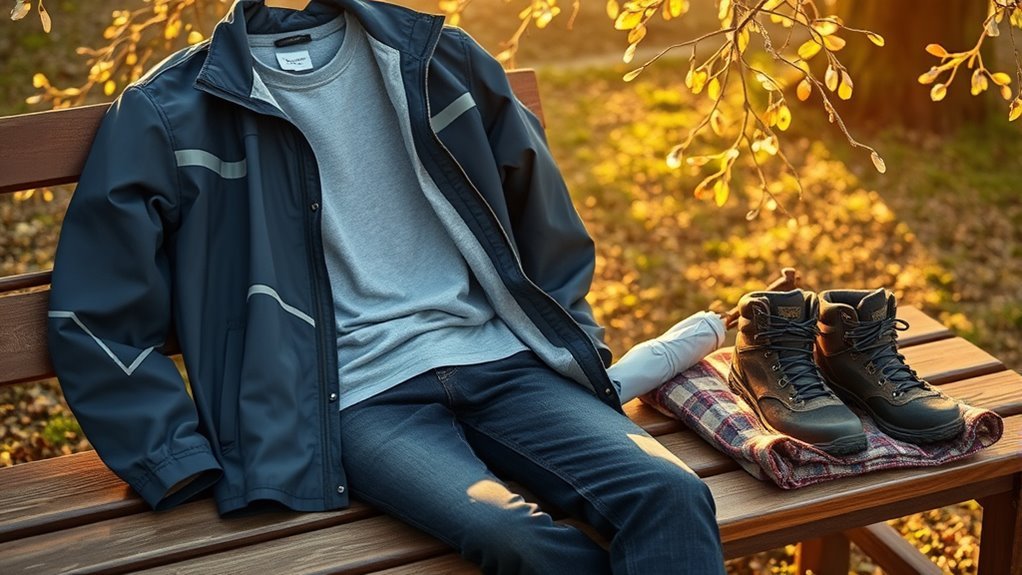
You should dress in layers that suit today’s temperature swings and weather conditions.
Start with a snug, moisture-wicking base layer like merino wool.
Then, add an insulating mid-layer such as fleece.
Finish with a waterproof outer shell for rain or wind.
Choose footwear and accessories that keep you dry and comfortable.
Keeping an eye on real-time weather updates can help you adjust your outfit as the day changes.
If you want tips on nailing your look and staying comfortable all day, there’s more to explore.
Dressing appropriately for the weather not only keeps you cozy but also enhances your overall style.
Whether you’re heading out for work or leisure, being prepared can make all the difference in your day.
Understanding Daily Weather Variations

Although daily weather can change quickly, understanding its typical fluctuations helps you choose the right outfit.
You’ll notice temperature variations often peak during the day and drop considerably at night—sometimes by 20°F or more.
Paying attention to these shifts lets you plan your clothing layers effectively.
Checking daily weather forecasts gives you hourly updates so you can adjust what you wear as conditions change.
Sudden rain or wind means you’ll want adaptable layers that keep you comfortable throughout the day.
By recognizing these patterns and preparing accordingly, you avoid being too hot or cold.
Ultimately, understanding daily weather and planning your clothing layers around temperature variations ensures you stay comfortable no matter how the day unfolds.
Essential Layering Techniques for Comfort
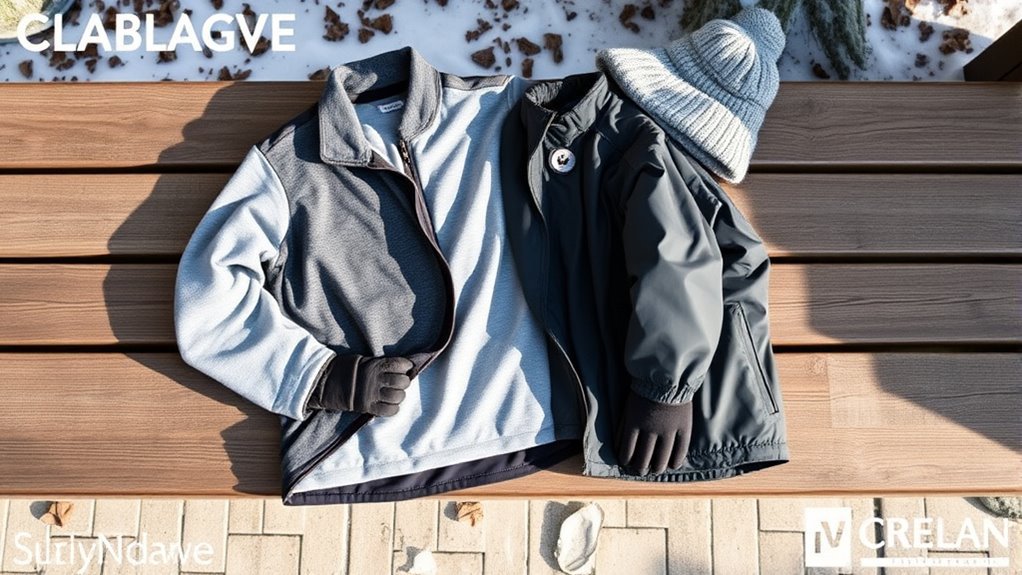
When you dress in layers, you can easily adjust to changing temperatures and stay comfortable throughout the day.
Start with a snug base layer made of synthetic or merino wool to wick sweat and keep your skin dry.
Begin with a snug base layer of synthetic or merino wool to wick away sweat and keep skin dry.
Next, add an insulating middle layer like fleece to trap heat.
Finish with a waterproof outer layer to shield against wind and rain.
If you’re active, consider Running Tights as part of your base layer for flexibility and moisture management.
Adjust layers as needed to maintain your comfort level.
- Choose a moisture-wicking base layer for dryness.
- Use fleece or down for insulation.
- Select waterproof and windproof outerwear.
- Layer Running Tights for mobility and warmth.
This approach keeps you comfortable and ready for any weather shifts.
Selecting the Ideal Base Layer

Mastering layering starts with choosing the right base layer since it sits directly against your skin and manages moisture.
You want a base layer that fits snugly to wick moisture away effectively, keeping you dry and comfortable.
Look for moisture-wicking fabrics like synthetic polyester or merino wool, which dry quickly and provide excellent insulation.
Depending on the weather and your activity level, select a lightweight, midweight, or heavyweight base layer to regulate your body temperature properly.
Merino wool stands out because it’s breathable, odor-resistant, and stays warm even when damp.
Plus, a well-fitted base layer reduces chafing during movement.
Choosing the Right Insulating Layer
Because your insulating layer traps heat and keeps you warm, choosing the right one is key for staying comfortable in cold weather.
When layering, pick an insulating layer that suits your activity and weather conditions.
Synthetic fills are great if you expect dampness since they retain warmth even when wet, unlike down.
Remember, thickness doesn’t always mean more warmth—look for fill power and material type instead.
Consider these tips for choosing your insulating layer:
- Use synthetic fills for wet or variable conditions.
- Layer over a moisture-wicking base to prevent heat loss.
- Choose materials like fleece or wool for breathability.
- Don’t rely solely on puffiness; check insulation quality.
This approach keeps you warm and comfortable without overheating.
Outerwear Options for Weather Protection
To stay dry and comfortable in wet or windy conditions, you’ll want outerwear that blocks moisture while letting sweat escape.
Choose waterproof and breathable jackets to keep rain and snow out without trapping sweat.
Shell pants should be waterproof and wind-resistant, covering boot tops to protect your legs.
Windproof features reduce wind chill, preserving warmth.
Adjustable hoods and cuffs help seal out the elements.
Gaiters add extra defense against snow and moisture.
| Outerwear Type | Key Features | Purpose |
|---|---|---|
| Jacket | Waterproof, breathable | Keeps upper body dry |
| Shell Pants | Waterproof, windproof | Protects lower body |
| Gaiters | Moisture-resistant | Seals boots and pant cuffs |
Footwear and Accessories for All Conditions
You’ll want to pick footwear that matches the weather, like waterproof boots for rain or snow.
Don’t forget essential accessories like moisture-wicking socks and insulated gloves to stay comfortable.
These simple choices make a big difference in keeping you warm and dry all day.
Choosing Weather-Appropriate Footwear
When the weather changes, selecting the right footwear can make all the difference in comfort and safety.
You’ll want waterproof shoes or boots with slip-resistant soles to stay dry and avoid slipping when it’s wet.
In cold weather, insulated footwear paired with thick socks keeps your feet warm and guards against frostbite.
For warm days, breathable shoes let moisture escape, preventing blisters and discomfort.
Consider your activities too—hiking boots for trails or comfy sneakers for casual walks.
- Choose waterproof, slip-resistant shoes for rainy days.
- Wear insulated boots with thick socks in cold weather.
- Opt for breathable shoes in warm conditions.
- Use gaiters or waterproof shoe covers in snow or mud.
Picking the right footwear guarantees you stay comfortable and safe no matter the weather.
Essential Accessories for Comfort
Although choosing the right footwear is crucial, pairing it with necessary accessories guarantees your comfort in any weather.
Start with moisture-wicking socks to keep your feet dry and prevent blisters. Waterproof boots combined with thick socks lock in your body heat, keeping your feet warm and dry in cold or wet conditions.
Don’t forget insulated gloves or mittens made from wool or synthetic materials—they prevent heat loss and keep your hands nimble.
Cover your head with hats like beanies or balaclavas to stop heat from escaping through your ears and face.
For extreme cold, add hand and foot warmers or electric heating pads to maintain warmth.
These accessories work together to protect you from harsh weather, ensuring you stay comfortable no matter the conditions.
Adapting Your Outfit for Rain and Snow
Because rain and snow can quickly soak through your clothes and sap your body heat, choosing the right layers is essential to stay comfortable and dry.
Start with moisture-wicking base layers made of synthetic fabrics or merino wool to keep your skin dry and warm.
Next, wear insulating mid-layers like fleece or down that offer water resistance for snowy conditions.
Top it off with a waterproof, breathable outer shell or rain jacket to block moisture while allowing sweat to escape.
Keep in mind:
- Wear waterproof gloves and insulated boots to protect your extremities.
- Use a waterproof hat or hood for head coverage.
- Choose breathable layers to prevent overheating.
- Carry an umbrella or hooded jacket for extra rain and snow protection.
Customizing Your Wardrobe for Personal Comfort
Customizing your wardrobe for personal comfort means choosing layers that suit your sensitivity to temperature and activity level.
Start with lightweight base layers that wick moisture. Add insulating mid-layers for warmth, and top it off with weatherproof outerwear to shield against wind or rain.
Pay attention to how your body reacts throughout the day—adjust layering by adding or removing pieces as temperatures shift from warm afternoons to cooler evenings.
Select fabrics and fits that feel good on your skin, as these choices impact your overall comfort.
Don’t forget to pick colors and styles that boost your confidence while remaining practical for the forecast.
Utilizing Weather Apps for Outfit Planning
When you check your weather app before getting dressed, you get real-time updates on temperature, precipitation, and wind speed that help you pick the right layers for the day.
Weather apps simplify outfit planning by providing accurate, up-to-the-minute forecasts, so you’re never caught off guard by sudden changes.
Accurate, real-time forecasts keep you prepared and prevent unexpected weather surprises in your daily outfit choices.
Many apps even suggest specific clothing items based on the forecast, making your morning routine quicker and smarter.
Here’s how weather apps enhance your outfit planning:
- They offer hourly and daily real-time forecasts for changing weather conditions.
- They suggest appropriate clothing like raincoats or warm layers.
- They allow customization based on your wardrobe and preferences.
- They send alerts for severe weather, letting you adjust your outfit proactively.
Using these features guarantees you dress suitably every day.
Packing Tips for Variable Weather Days
Checking the forecast with a weather app helps you decide what to wear, but packing for the whole day requires a bit more strategy.
Start with lightweight, moisture-wicking base layers to keep you comfortable as temperatures shift.
Add a versatile jacket or sweater that you can easily remove or put on when needed.
Don’t forget a waterproof or windproof outer layer to shield you from unexpected rain or gusts.
Choose comfortable walking shoes like sneakers or waterproof boots to handle variable conditions.
Finally, pack accessories such as a hat and gloves to stay warm during chilly mornings or evenings.
This smart packing approach ensures you’re prepared for whatever the day’s weather throws your way.
Frequently Asked Questions
Which Color Have to Wear Today?
You should wear light colors if it’s sunny and hot today to stay cool.
If it’s cooler, go for darker shades to keep warm.
For rainy or overcast weather, bright colors boost your visibility and safety.
Do I Need a Jacket in 14 Degrees?
At 14 degrees, you definitely need a jacket—think of it as your own personal shield against a wintery dragon’s breath.
Don’t settle for light; choose insulated, waterproof layers to keep warmth locked in and cold out.
What Is the 3 3 3 Rule for Outfits?
The 3-3-3 rule means you wear three layers:
a base layer for moisture-wicking, a middle for insulation, and an outer shell for protection.
You pick three versatile pieces per layer,
so you can adjust to changing temperatures easily.
What to Wear in 26 Degrees?
You should dress like a layered cake, with a thermal base to wick sweat.
Add a cozy fleece middle, and finish off with a waterproof shell outside.
Don’t forget insulated boots, gloves, and a hat to keep every chill away.
Conclusion
Just like a seasoned sailor adjusts sails to the shifting winds, you can navigate today’s weather with smart layering and thoughtful choices.
By starting with the right base, adding warmth where needed, and shielding yourself from rain or snow, you’ll stay comfortable no matter what nature throws at you.
Trust your instincts, check your weather app, and dress like you’re ready for an adventure.
Every day’s forecast is a new journey waiting to unfold.
So, whether it’s sunny, rainy, or chilly, make sure to layer wisely.
Embrace the day with the right outfit, and you’ll feel prepared for anything!
Remember, it’s all about being comfortable and ready for whatever the weather has in store for you.
Dress smartly, stay cozy, and enjoy your day!