
Why Is 70-Degree Weather Ideal for Wearing Shorts?
You’ll find 70-degree weather ideal for wearing shorts because it strikes the perfect balance between warmth and comfort. This temperature keeps you comfortably warm without the risk of overheating.
At 70 degrees, your body can easily maintain a healthy heat balance, whether you’re being active or just relaxing.
Light fabrics and good airflow help you stay fresh, while gentle breezes or shade prevent sweat buildup or chills.
It’s a sweet spot that suits both casual and social settings, allowing you to dress flexibly.
So, keep exploring, and you’ll discover how to maximize comfort and style in this perfect mild climate!
How the Body Reacts to 70-Degree Weather
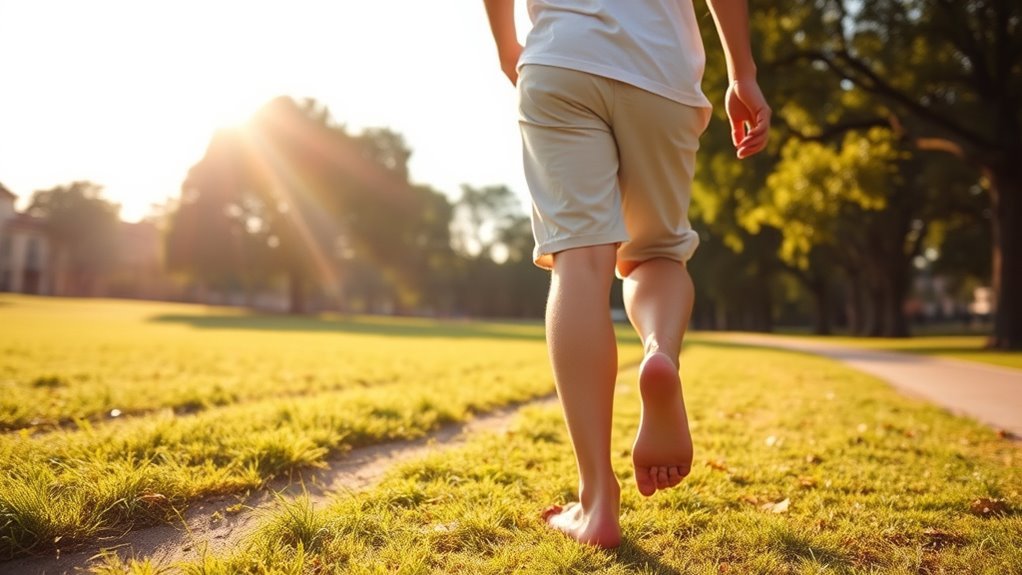
When the temperature hits 70 degrees Fahrenheit, your body strikes a perfect balance, feeling neither too hot nor too cold.
At this temperature, you usually won’t sweat after short periods outdoors, which means your body’s internal thermostat is comfortably regulated.
Walking through the shade or engaging in mild activity keeps you from shivering, maintaining a steady internal temperature.
Because your body doesn’t have to work hard to cool down or warm up, you enjoy flexibility in what you wear.
Breathable materials play a key role here—they allow your skin to breathe, preventing overheating while keeping you comfortable.
Even with external factors like wind or sun, 70 degrees generally supports your body’s comfort zone.
This makes it an ideal temperature to don shorts without worrying about fluctuations in warmth.
The Role of Physical Activity in Outfit Choices

When you’re active, your body heats up, making shorts a smart choice to stay cool.
Moving around generates extra warmth, so lighter clothing helps keep your temperature comfortable.
Plus, shorts give you the freedom to move without feeling restricted during any activity.
Activity Level Impact
Since physical activity raises your body temperature, wearing shorts in 70-degree weather becomes much more comfortable as you move.
Your activity level directly impacts how warm you feel, making shorts a practical choice when you’re active.
When you engage in mild to moderate exercise, your body generates heat and you may start to sweat.
Shorts made from breathable fabrics help manage that moisture, keeping you cool and dry.
On the other hand, if your activity level is low or you’re mostly sedentary, you might feel chilly in shorts and prefer pants for extra warmth.
Active movement also boosts circulation, helping maintain a comfortable core temperature.
Movement and Temperature
Although 70-degree weather feels mild, your level of physical activity plays a big role in deciding whether shorts will keep you comfortable.
When you’re moving, your body generates more heat, raising your internal temperature. This means shorts become ideal since they allow heat to escape easily, preventing you from overheating.
Movement also boosts blood circulation, helping your body maintain a steady temperature without extra layers. Plus, as you move and sweat, breathable shorts wick moisture away, keeping you dry and comfortable.
On the other hand, if you stay sedentary in this temperature, your body produces less heat, so you might feel chilly and need additional clothing.
Matching Shorts to Social Settings

Choosing the right shorts for your social setting helps you stay comfortable while respecting the occasion’s expectations.
Selecting shorts thoughtfully lets you enjoy comfort without compromising the event’s dress expectations.
If you’re heading to a casual spot like a park, beach, or outdoor café, shorts are a perfect choice—they keep you cool and fit the laid-back vibe.
For informal gatherings, shorts strike a balance between practicality and relaxed style, making them widely accepted.
However, when you’re in work environments or semi-formal settings, it’s best to opt for pants or chinos.
Dress codes might lean more formal depending on your industry or location.
Visiting places with strict dress standards, such as religious sites or upscale restaurants, calls for modest clothing instead.
Knowing the social context ensures your shorts choice is appropriate and respectful.
Selecting Fabrics for Comfort in Mild Temperatures
When you pick the right fabrics for 70-degree weather, you can stay comfortable without overheating.
Breathable fabrics like cotton, linen, and performance synthetics regulate your body temperature by wicking away moisture.
Choosing lightweight materials such as nylon blends or stretch cotton lets you move freely without added bulk.
Natural fibers like Merino wool are great because they balance temperature control and resist odors, keeping you fresh throughout the day.
Look for ventilated fabrics with mesh or perforations to boost airflow, especially if you’re active outdoors.
Fabrics with moisture-wicking properties prevent sweat buildup, ensuring you stay dry and comfortable.
Impact of Wind Chill and Cloud Cover on Comfort
When the wind picks up, it can make 70 degrees feel much cooler.
So, you might want to rethink wearing just shorts.
Cloud cover also blocks the sun’s warmth, lowering your comfort even if the thermometer doesn’t change.
Knowing how wind chill and clouds affect you helps you adjust your outfit to stay comfortable outside.
Wind Chill Effects
Although the air temperature might read 70°F, wind chill can make it feel 5 to 10 degrees cooler, especially on exposed skin like your legs.
When wind speeds reach 10-15 mph, the cooling effect intensifies, making shorts less comfortable.
Your legs and arms lose heat faster, so you might feel chilly even if the thermometer says it’s warm.
Wind chill impacts how long you can comfortably wear shorts outdoors, often shortening that window.
If you’re planning to enjoy a 70-degree day in shorts, check the wind conditions first.
Strong winds can quickly sap the warmth you expect, so having a light jacket or opting for longer pants might be wiser when the wind chill is significant.
Cloud Cover Influence
Since cloud cover blocks much of the sun’s radiant heat, 70-degree weather often feels cooler and more comfortable for wearing shorts under overcast skies.
When you experience cloud cover, direct sunlight is limited, so your skin won’t heat up as much. This keeps you comfortable rather than overly warm.
However, combined with wind chill, this effect can make it feel cooler than the actual temperature.
Here’s what you need to contemplate about cloud cover’s influence:
- Cloud cover reduces radiant heat, so 70 degrees feels milder and more pleasant for shorts.
- Without direct sun, your skin temperature stays lower, preventing discomfort.
- Wind combined with cloud cover can increase heat loss, making it feel cooler than expected.
Understanding cloud cover helps you gauge comfort better when choosing shorts.
Adjusting Outfit Choices
Because wind chill and cloud cover can lower how warm 70-degree weather feels, you might need to rethink wearing just shorts.
When breezy conditions hit, the wind chill can drop the perceived temperature to around 65°F or lower, making shorts feel less comfortable.
Similarly, overcast skies block radiant heat, so even if it’s 70 degrees, you’ll likely sense cooler air.
Adjusting outfit choices means considering these factors—layering shorts with wind-resistant jackets or opting for slightly longer pants can keep you comfortable.
On calm, sunny days, you can confidently wear shorts without extra layers.
Since cloud cover and wind patterns vary daily, stay flexible and dress for what you’ll actually feel, not just what the thermometer says.
That way, you’ll stay comfortable while enjoying 70-degree weather.
Seasonal Differences in 70-Degree Weather
When you step outside on a 70-degree day, how warm it feels can change depending on the season.
Seasonal differences play a big role in your comfort level, even at the same temperature.
Here are three key factors to contemplate:
1. Sunlight and warmth: In spring, longer daylight hours and stronger sunshine make 70 degrees feel warmer.
This encourages you to wear shorts confidently.
2. Sun angle and coolness: During autumn, the sun sits lower, and days are shorter.
So, 70 degrees often feels cooler, which might make you think twice about shorts.
3. Weather elements: Wind, humidity, and cloud cover vary with the seasons.
These factors can drastically affect how 70-degree weather feels on your skin.
Understanding these seasonal differences helps you decide when 70 degrees is perfect for shorts.
Coordinating Tops and Footwear With Shorts
Although 70-degree weather feels comfortable on its own, choosing the right tops and footwear can make your shorts outfit both stylish and practical.
You’ll want light-colored T-shirts or tank tops to reflect sunlight and stay cool.
Pair your shorts with breathable sneakers, sandals, or loafers for comfort and style.
Layering a lightweight hoodie or denim jacket is perfect if temperatures dip.
Moisture-wicking fabrics help manage sweat, keeping you fresh during outdoor activities.
| Tops | Footwear | Layering Options |
|---|---|---|
| Light T-shirts | Sneakers | Lightweight Hoodie |
| Tank Tops | Sandals | Denim Jacket |
| Moisture-wicking | Loafers |
This combo ensures you wear shorts comfortably and confidently all day.
Understanding Your Personal Temperature Preferences
Since everyone experiences temperature differently, you might find 70-degree weather perfect for shorts while others prefer more layers.
Your personal temperature preferences depend on several factors that shape your comfort level at this ideal temperature.
Consider these three key points:
1. Climate background: If you come from a warmer climate, 70°F often feels just right for shorts.
Cooler climates may call for extra clothing.
2. Environmental conditions: Wind, humidity, and sunlight can make a big difference in how comfortable you feel outside.
3. Physical factors: Your metabolism, age, activity level, and health all influence how you perceive temperature.
Understanding your personal temperature preferences helps you decide confidently whether shorts at 70 degrees will keep you comfortable without feeling too hot or cold.
Benefits of Layering for Temperature Flexibility
Because temperatures can shift quickly around 70 degrees, layering lets you adjust your outfit on the fly to stay comfortable.
By combining lightweight clothing pieces, you gain temperature flexibility that suits both warm afternoons and cool evenings.
Technical fabrics like moisture-wicking materials enhance comfort by regulating heat and sweat effectively.
With strategic layering—base, mid, and outer layers—you maintain a balanced body temperature without needing to change your entire outfit.
| Layer Type | Purpose |
|---|---|
| Base | Moisture-wicking, keeps dry |
| Mid | Insulation, retains body heat |
| Outer | Wind/rain protection, breathable |
| Flexibility | Add/remove layers as needed |
| Comfort | Adapts to 70°F temperature changes |
Layering makes wearing shorts at 70°F practical and comfortable all day long.
Frequently Asked Questions
Should I Wear Shorts in 70 Degree Weather?
Yes, you should wear shorts in 70-degree weather if you want to stay comfortable and cool.
It’s warm enough to enjoy breathable clothing without overheating.
This is especially true during outdoor activities or when the sun is shining.
What Should You Wear in 70 Degree Weather?
You should wear lightweight shorts paired with a breathable T-shirt or tank top in 70-degree weather.
Don’t forget a light jacket or hoodie for cooler moments.
Plus, comfortable sneakers or sandals will complete your outfit.
Is 60 Degree Weather Too Cold for Shorts?
About 60% of people find 60°F too cold for shorts.
You might feel chilly, especially if it’s windy or cloudy.
Can I Wear Sweatpants in 70 Degree Weather?
You can wear sweatpants in 70-degree weather if they’re lightweight and breathable.
Just avoid heavy fabrics to prevent overheating.
Pair them with a moisture-wicking top to stay comfortable during activity or fluctuating temperatures.
Conclusion
When 70-degree weather wraps around you like a gentle hug, it’s the perfect time to slip into shorts and feel the breeze dance on your skin.
Your body breathes easy, ready for movement and comfort. By choosing the right fabrics, layering smartly, and matching your look to the moment, you turn this ideal temperature into your style’s playground.
Embrace this golden balance—where warmth meets cool—and let your outfit reflect the harmony outside.
As you step out in your favorite shorts, remember that 70-degree weather is all about comfort and style.
This is your chance to enjoy the perfect blend of warmth and a refreshing breeze.
So, go ahead and make the most of this ideal temperature, turning it into a celebration of your personal style while enjoying the great outdoors!