Will Fleas Die in Cold Weather and How to Kill Them Step-by-Step
Fleas can be a persistent problem, especially during cold weather. While you might think that the cold would eliminate them, fleas actually survive indoors where it’s warm and humid.
Outdoors, cold temperatures can kill fleas after prolonged exposure, but adult fleas and pupae often find refuge inside your home or on your pets.
To effectively get rid of these pesky pests, start by vacuuming your home thoroughly.
Don’t forget to wash your pet’s bedding regularly.
Using vet-approved treatments and insect growth regulators is also essential in breaking the flea cycle.
If you prefer natural options, plant-based products can help control fleas safely.
Keep following these steps, and you’ll soon understand how to effectively eliminate fleas from your home.
Understanding the Flea Life Cycle
Although fleas are tiny, their life cycle is complex and essential to understand if you want to control them effectively.
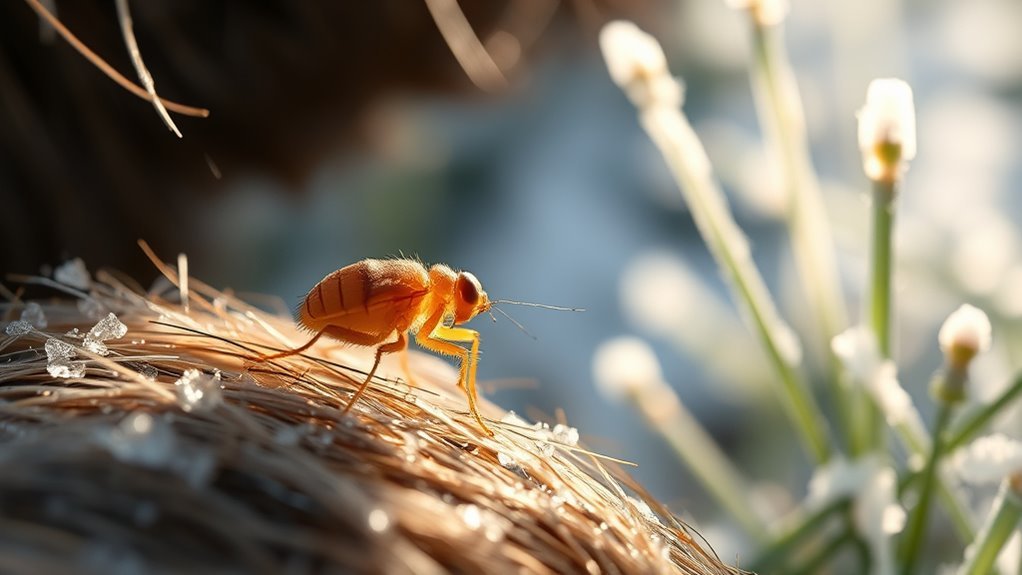
The flea life cycle consists of four stages: eggs, larvae, pupae, and adult flea.
Female fleas lay up to 50 eggs per day on your pet, which then fall into the surrounding environment.
Within 5 to 11 days, these eggs hatch into larvae that feed on flea feces and organic debris.
Afterward, larvae develop into pupae inside protective cocoons, where they can remain dormant for weeks or even months.
When environmental cues like vibrations or heat stimulate them, adult fleas emerge from the pupae, ready to find a host and feed.
Knowing each stage helps you target control methods more precisely.
Ideal Conditions for Flea Survival
You’ll find fleas thrive best in warm, humid places with temperatures around 24°C to 30°C and high moisture levels.
They prefer indoor spots like carpets, pet bedding, and shaded areas where it stays dark and damp.
Understanding these conditions helps you see why fleas can survive year-round inside your home.
Warmth and Humidity
When temperatures stay between 70°F and 85°F with humidity levels around 70-85%, fleas find the perfect environment to thrive.
This warmth and humidity boost egg survival and speed up larvae development, letting fleas complete their life cycle in just 2-3 weeks.
In an indoor environment with controlled temperature and moisture, fleas can survive year-round, even when it’s cold outside.
High humidity keeps flea eggs and larvae from drying out, increasing the chance of a persistent infestation.
You’ll often find larvae developing in moist, shaded areas like carpets and bedding where warmth and humidity are consistent.
Understanding how these conditions support fleas helps you target their vulnerabilities and take effective steps to reduce their population.
Indoor Habitat Preferences
Fleas find indoor spaces with steady warmth and high humidity especially inviting.
In your home, the ideal flea habitat includes areas with warm temperatures between 24°C and 30°C and humidity levels around 70-85%.
These conditions promote flea survival year-round.
Flea eggs and larvae thrive in dark, moist spots like pet bedding, carpets, and upholstery.
You’ll often find larvae hiding beneath furniture or in floor cracks where moisture accumulates.
Since adult fleas can live indefinitely on your pets or inside your indoor environment, consistent heating systems make it easier for them to reproduce regardless of outdoor cold.
To control fleas effectively, focus on these indoor habitats—clean pet bedding regularly and treat warm, soft furnishings.
Understanding these preferences helps you target flea survival zones and break their life cycle.
How Cold Weather Affects Fleas
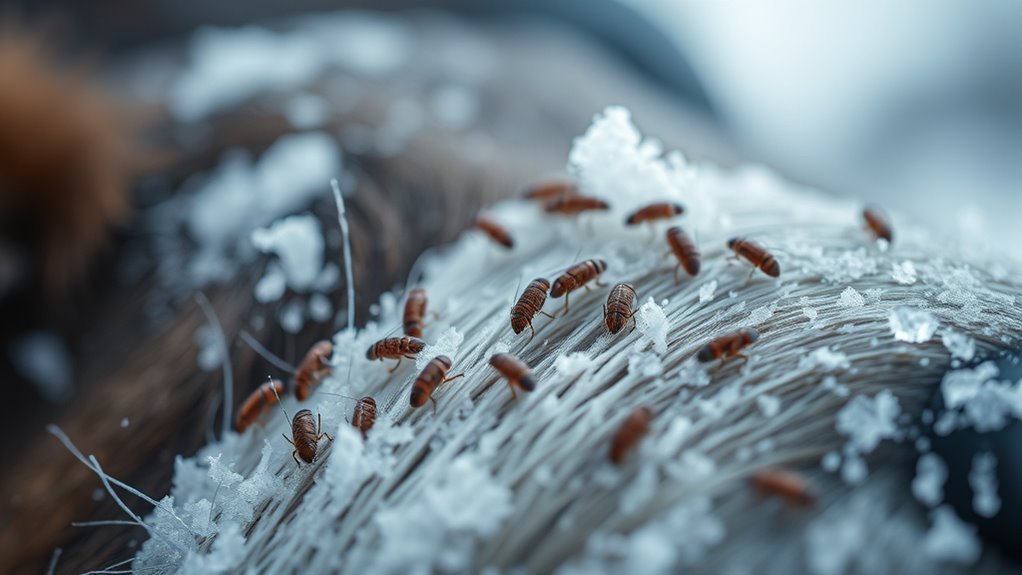
You might think cold weather kills fleas instantly, but they can survive temperatures as low as 46°F and even endure short freezes.
However, prolonged freezing below 32°F usually wipes out adult fleas and their eggs outdoors.
Indoors, though, fleas thrive easily since your heated home keeps them safe from the cold.
Flea Cold Tolerance
How cold is too cold for flea survival? Understanding flea cold tolerance helps you know when cold weather can control flea populations outdoors.
Adult fleas die rapidly after several days below 32°F (0°C), especially under 0°F (-18°C).
So, if it gets really cold, you can expect a quick decline in their numbers.
Flea eggs and larvae struggle to hatch or develop in temperatures below 46°F (8°C), reducing new generations.
This means fewer fleas will be born when the temperatures drop.
Flea pupae can survive freezing temperatures by remaining dormant inside cocoons for weeks or months, waiting for warmth.
They have quite the survival strategy, don’t they?
Once eggs are laid outdoors, most won’t survive prolonged cold, markedly cutting down flea numbers during winter.
Indoor Flea Survival
While cold weather can substantially reduce flea populations outdoors, indoor environments offer a cozy refuge where these pests can thrive year-round.
Indoor flea survival is possible because warm temperatures inside your home, typically between 68-77°F, allow fleas to develop and reproduce continuously.
Flea eggs, larvae, and pupae can hide in pet bedding and carpets, remaining dormant or slowly developing, making them hard to eliminate.
Cold temperatures outside don’t usually impact fleas indoors unless the indoor environment drops consistently below 50°F.
To control these pests, you’ll need regular vacuuming and targeted flea treatments focused on your pets and their bedding.
Without consistent cleaning and treatment, fleas can persist inside despite the chill outdoors, so stay vigilant to keep them at bay.
Freezing Temperature Effects
Although fleas can survive indoors year-round, freezing temperatures outside play an essential role in reducing their outdoor populations.
You should know how cold weather affects fleas across different life stages:
- Adult fleas and eggs struggle to survive prolonged freezing temperatures below 32°F (0°C). Most of them die after just 5 days.
- Continuous exposure to temperatures under 0°F (-18°C) considerably lowers egg survival and kills outdoor fleas.
- Flea pupae in cocoons can endure cold for weeks, but they don’t last through sustained freezes.
- Overall, as the cold intensifies, temperature effects reduce survival rates in eggs, larvae, and adults.
Understanding these freezing temperature effects helps you target flea control during winter.
Keep in mind that outdoor populations drop naturally, while indoor fleas can persist if it’s warm.
Can Fleas Survive Freezing Temperatures?
Even if temperatures drop below freezing, fleas can sometimes survive short cold spells, especially if they find shelter in shaded areas or burrows.
While adult fleas are hardier, flea eggs and larvae often die during extended freezing temperatures.
Outdoor fleas usually perish if it stays below 0°F (-18°C) for several days, but indoor fleas survive easily due to warmer environments.
Freezing affects different flea life cycle stages unequally, so short cold snaps don’t guarantee elimination.
| Flea Stage | Survival in Freezing Temps | Notes |
|---|---|---|
| Adult Fleas | Moderate to High | Can endure brief freezes |
| Flea Eggs | Low | Vulnerable to cold |
| Larvae | Low | Often perish in freezing |
| Indoor Fleas | High | Protected by warm indoors |
How Pets Acquire Fleas During Winter
Because fleas can hitch a ride on your pet during outdoor walks or visits, your furry friend can easily bring them inside, even in winter.
Here’s how pets acquire fleas during winter:
- Contact with infested outdoor areas or wildlife transfers fleas to your pet.
- Flea eggs, larvae, or adults cling to your pet’s fur, continuing the flea life cycle indoors.
- Indoor fleas survive year-round on an infested pet, regardless of cold outdoor temperatures.
- Flea eggs in bedding or furniture hatch when conditions warm, reinfesting your pet.
Even in winter, pets can harbor fleas hidden in skin folds.
That’s why flea control is essential. If you have an infested pet, staying vigilant prevents indoor fleas from multiplying and protects your home year-round.
Signs of Flea Infestation in Winter
When cold weather sets in, fleas don’t disappear—they often hide in warm spots like your pet’s fur, bedding, or carpets.
Even in the winter months, flea eggs can hatch indoors, fueling an indoor infestation.
You might notice your pet scratching more than usual or see patches of hair loss.
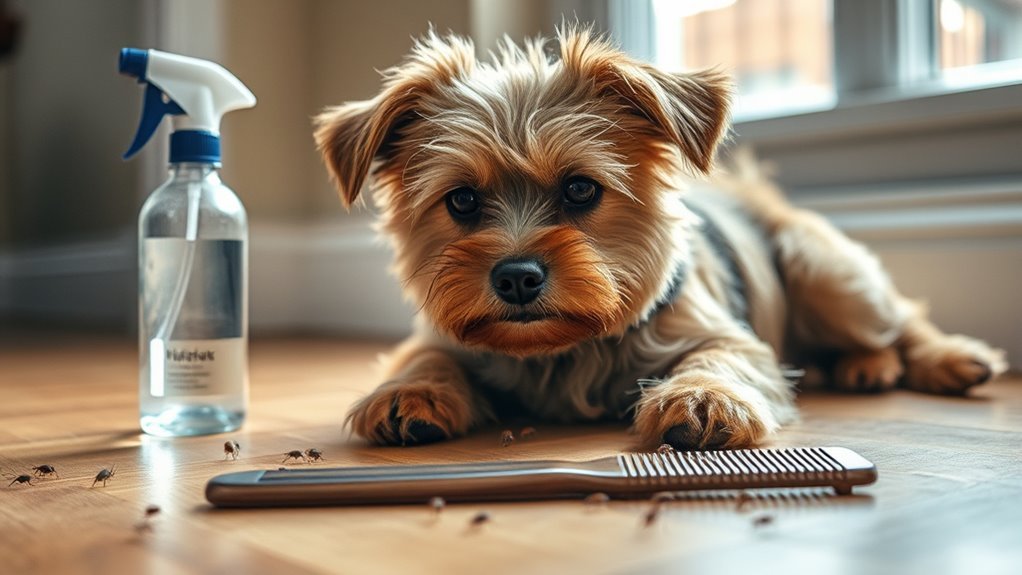
Check your pet’s fur closely for flea dirt, which looks like tiny black specks, or even visible fleas.
These are clear signs fleas are active despite the cold outside.
Fleas thrive in warm environments inside your home, so don’t assume winter protects your pet.
If you spot these signs, it’s likely fleas are present and multiplying.
It’s essential to address the problem promptly to keep your pet comfortable all year round.
Step-by-Step Flea Elimination Process
Although fleas can survive the cold by hiding indoors, you can take effective steps to eliminate them completely.
Follow this step-by-step flea elimination process to kill fleas at all stages and protect your pet:
Use this step-by-step flea elimination process to target fleas at every stage and keep your pet safe.
1. Vacuum carpets, furniture, and pet bedding thoroughly to remove flea eggs and larvae.
Dispose of the vacuum bag immediately to prevent reinfestation.
2. Apply veterinarian-approved flea treatment on your pet, such as spot-ons or oral meds. This will kill fleas and prevent new ones from taking over.
3. Use indoor sprays with insect growth regulators to target flea eggs and larvae in your living space.
4. Treat outdoor areas with eco-friendly products to reduce flea populations and support ongoing flea prevention.
Maintain this routine for 3-4 weeks to break the flea life cycle. This will help ensure complete eradication.
Preventing Fleas During Cold Months
Completing the flea elimination process is just one part of keeping your home pest-free during colder months.
Since fleas survive mild winter temperatures indoors, maintaining flea prevention is essential.
Focus on washing pet bedding regularly in hot water to remove flea eggs.
Also, vacuum your indoor environment thoroughly.
Consistent flea treatment on pets helps stop infestations despite winter temperatures outside.
| Action | Target Area | Benefit |
|---|---|---|
| Wash pet bedding | Pet bedding | Removes flea eggs |
| Vacuum carpets | Indoor environment | Eliminates larvae and eggs |
| Apply indoor flea spray | Indoor environment | Prevents flea development |
Using Plant-Powered Products for Flea Control
If you want a safer, eco-friendly way to manage fleas, plant-powered products offer an effective alternative to harsh chemicals.
These natural options use essential oils like citronella, eucalyptus, and tea tree oil, providing pet-safe flea control both indoors and outdoors.
Essential oils such as citronella, eucalyptus, and tea tree oil offer safe, natural flea control for pets and homes.
Here’s how to use them effectively:
- Choose shampoos and sprays with plant-powered ingredients to treat your pets directly.
- Use flea collars infused with essential oils for continuous protection.
- Apply indoor treatment sprays, like pet-safe home formulas, to carpets and furniture.
- Treat yards with natural oil-based products to target fleas in the environment.
Consistent use combined with cleaning breaks the flea life cycle safely, making these natural methods ideal for a healthy home and happy pets.
Frequently Asked Questions
How Do I Get Rid of Fleas in Winter?
You should vacuum regularly and wash your pet’s bedding in hot water.
Using flea sprays with insect growth regulators indoors can also help.
And don’t forget to keep treating your pets with vet-approved flea preventatives to effectively get rid of fleas during winter.
How Long Does It Take Fleas to Die in Cold Weather?
Fleas typically die after about five days of exposure to temperatures below freezing.
You’ll need prolonged cold, especially under 32°F, to guarantee adults, eggs, and larvae don’t survive.
This is particularly true in sheltered spots.
Conclusion
You can’t rely on cold weather alone to kill fleas.
But you can disrupt their life cycle, eliminate their hiding spots, and protect your pets.
Spotting signs early and acting quickly can make a big difference.
Using safe, plant-powered products is a great way to keep fleas away.
You can prevent infestations and reduce risks, which helps maintain a flea-free home all winter long.
Consistency is key! Taking regular action means you’ll win the battle against fleas, no matter the season.
Remember, even in colder months, fleas can still thrive.
So stay vigilant and proactive.
By implementing these strategies, you can ensure a comfortable and flea-free environment for you and your pets.
In conclusion, while cold weather alone won’t eliminate fleas, a combination of vigilance, early detection, and effective treatments is essential.
Stay consistent in your efforts to prevent infestations and protect your home all year round.