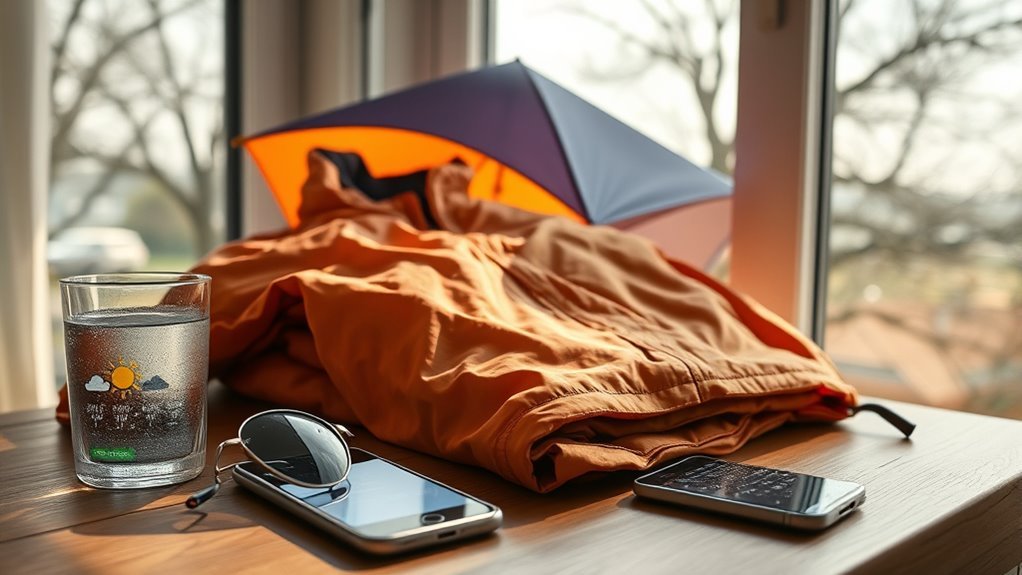
What Should I Wear Tomorrow for the Weather?
Check tomorrow’s weather forecast first to see the temperature, chance of rain, and wind conditions.
Choosing the right outfit for the weather is essential for staying comfortable and stylish.
If it’s hot, go for breathable clothes to keep cool.
But if it’s cold, layer up with coats, sweaters, and thermal wear to stay warm.
Also, don’t forget to add waterproof gear if rain is expected!
Scarves or hats can be great accessories for sun protection or to shield yourself from the chill.
When picking your outfits, aim for a balance between style and comfort based on your plans for the day.
Want to make smart layering decisions and pack the right accessories?
You’ll find practical tips coming up!
Understanding Tomorrow’s Weather Conditions
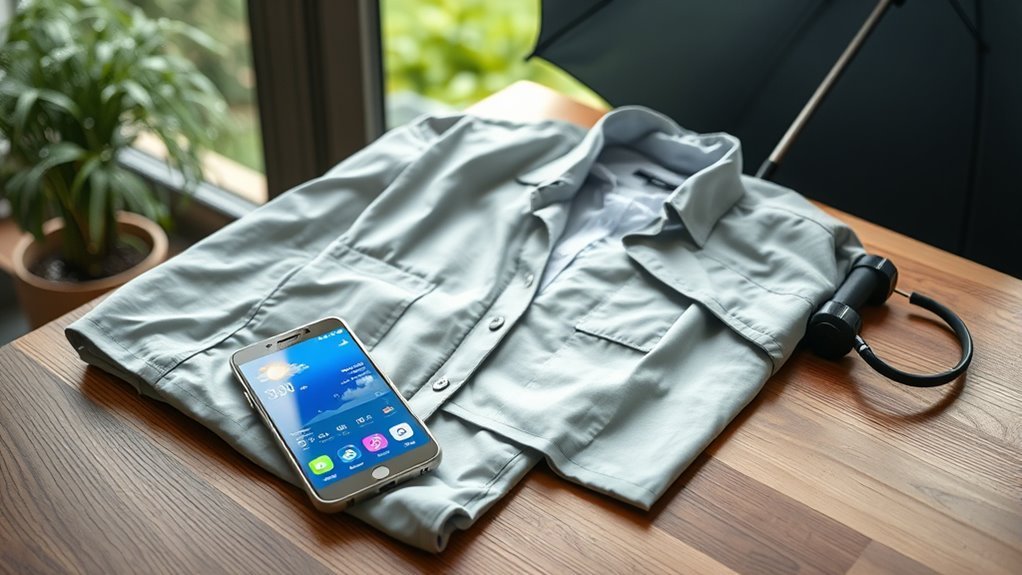
How will tomorrow’s weather shape your outfit choices?
Start by checking the local weather forecast to know what to expect. Look for details on temperature, wind speed, and precipitation to avoid surprises.
Is it going to be sunny, rainy, snowy, or stormy? This will help you pick the right clothing.
Don’t forget to note any weather warnings or advisories, like high winds or severe storms, which might require sturdier outerwear.
Pay attention to temperature fluctuations throughout the day so you can dress in layers and adjust as needed.
Also, consider humidity and wind chill factors, since they can make you feel warmer or cooler than the thermometer suggests.
Understanding these conditions keeps you comfortable and prepared for whatever tomorrow brings.
Choosing Clothes Based on Temperature and Activities
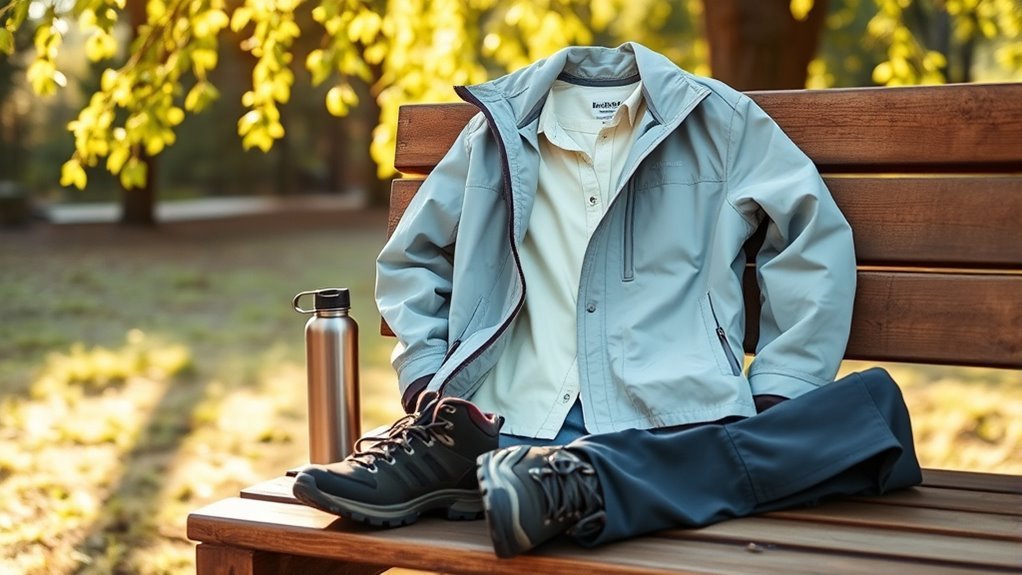
You’ll want to pick clothes that match both the temperature and your planned activities.
When it’s hot, breathable fabrics keep you comfortable.
On the other hand, layering helps in colder weather.
Also, consider specific gear like raincoats for wet days or sun protection for outdoor fun.
Temperature-Appropriate Clothing
Since the weather can change how comfortable you feel, choosing clothes that match the temperature and your activities is key.
On hot days, opt for lightweight, breathable fabrics like cotton t-shirts, shorts, and sandals to keep cool.
When it’s cold, layer up with insulated coats, thermal underwear, gloves, and warm boots to maintain your body heat.
For mild weather, a light jacket paired with long-sleeve shirts and jeans works perfectly, offering flexibility as temperatures shift.
Don’t forget rainy days—waterproof raincoats, umbrellas, and boots keep you dry.
If it’s windy, a windproof jacket or scarf protects you from cold gusts and reduces wind chill.
Activity-Specific Outfits
When planning your outfit, consider both the temperature and the activities you’ll be doing to stay comfortable and prepared.
If it’s sunny and hot and you plan to be outdoors, choose breathable fabrics like a mini skirt or shorts paired with a moisture-wicking T-shirt.
For a casual visit or walking tour, a midi or maxi dress with supportive shoes works well.
If you expect cooler weather, layer with a chunky knit or light jacket to keep you warm without overheating.
For rainy or wet activities, waterproof shoes and quick-drying clothes are essential.
Always think about what you’ll wear tomorrow based on your schedule—this way, your outfit matches both your comfort needs and your plans perfectly.
Layering Techniques for Day-to-Night Comfort
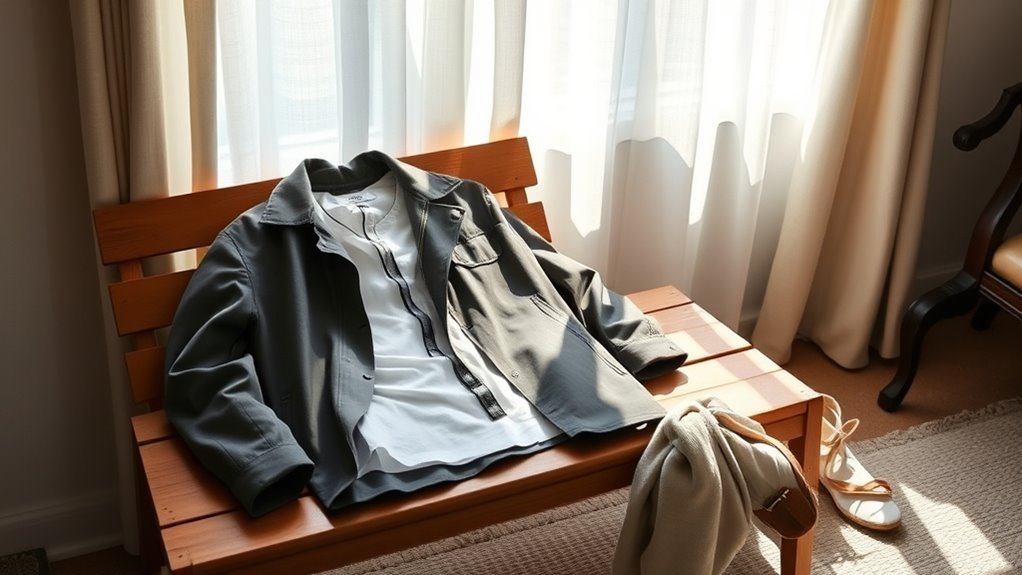
Although temperatures can shift dramatically from day to night, layering lets you stay comfortable without sacrificing style.
Start with a lightweight base layer like a breathable T-shirt or tank top that keeps you cool during warmer daytime hours.
Add a sweater or long-sleeve shirt for warmth as the evening cools down.
Top it off with a versatile jacket or coat you can easily remove or put back on as needed.
Mixing textures and thicknesses not only adds interest to your outfit but also boosts functionality against changing weather.
Focus on breathable fabrics for your inner layers and insulating materials for your outerwear.
This way, you can effortlessly adjust your clothing throughout the day, staying comfortable no matter how the temperature shifts.
Incorporating Style and Personal Preferences
Layering keeps you comfortable through temperature changes, but your outfit should also reflect who you are.
Embrace your personal style by mixing colors, patterns, and clothing types that boost your confidence. Experiment with different looks to discover what feels authentic and suits your mood.
Balancing comfort with your preferred dress code—whether casual, classic, or trendy—makes dressing both practical and enjoyable.
| Style Element | Examples | How to Incorporate |
|---|---|---|
| Colors | Bold red, pastels | Add a statement jacket or shirt |
| Patterns | Stripes, florals | Use patterned scarves or tops |
| Comfort Level | Soft fabrics, fits | Choose breathable layers |
| Dress Code | Casual, formal | Pick pieces that match events |
Essential Accessories for Weather Adaptability
How can you stay comfortable and protected no matter the weather?
Start with essential accessories that adapt to changing conditions. A wide-brimmed hat or cap shields your face from harmful UV rays on sunny days, cutting down sunburn risks.
When it’s chilly, scarves and neck warmers add insulation and are easy to adjust as temperatures shift.
Don’t forget waterproof gloves and umbrellas for rainy weather—they keep your hands dry and prevent discomfort.
Layering with beanies, earmuffs, or waterproof footwear lets you quickly respond to sudden changes.
Packing Tips for a Weather-Ready Wardrobe
Before you start packing, check the local weather forecast to know what to expect.
Focus on layering essentials like t-shirts and a waterproof jacket to handle temperature changes.
Don’t forget to pack the right footwear—comfortable shoes for walking and waterproof options if rain or snow is in the forecast.
Layering Essentials
When you pack for unpredictable weather, including a mix of lightweight and heavier layers helps you stay comfortable all day.
Bring t-shirts for warmth and sweaters or jackets for cooler moments.
Choose versatile pieces you can easily add or remove, adjusting to sudden temperature shifts.
Use breathable fabrics like cotton or moisture-wicking materials for warm conditions, and insulated fabrics such as wool or down when it’s cold.
Don’t forget weather-specific gear like raincoats or thermal wear if the forecast calls for rain or freezing temperatures.
Packing accessories like hats, gloves, and scarves also gives you extra protection against wind and chill.
Footwear Choices
Why leave your feet unprepared when the weather can change in an instant?
Choose waterproof shoes like rain boots or waterproof sneakers if rain’s in the forecast to keep your feet dry.
For long days or unpredictable weather, sturdy, comfortable walking shoes such as sneakers or hiking boots work best.
If temperatures drop, pack extra insoles or thermal socks to stay warm and comfy.
On warm, sunny days, opt for breathable footwear made from natural materials like leather or mesh to avoid overheating.
If icy or wet conditions are expected, slip-resistant soles are a smart choice to prevent slips.
Weather Forecast Check
Since weather can shift quickly, checking the local forecast helps you pack clothes that match the expected temperature, wind, and precipitation.
Use detailed reports to decide if you need lightweight fabrics for hot days or insulated layers for cold.
Watch for changes like temperature drops or rain to plan layers and accessories.
Bring weather-specific gear like raincoats, umbrellas, or thermal wear based on forecasted conditions.
Adjust your packing list with versatile pieces that can be layered or removed as needed.
| Weather Condition | Suggested Clothing |
|---|---|
| Hot & Sunny | Lightweight fabrics, hat |
| Cold & Windy | Insulated layers, windbreaker |
| Rainy | Waterproof jacket, umbrella |
Frequently Asked Questions
What Color Should I Wear Tomorrow?
You should wear colors that suit the temperature and your undertones.
Go for light pastels if it’s warm, or cozy neutrals and deep shades if it’s cooler.
Bright colors work if you want to stand out.
What Is the 3-3-3 Rule for Outfits?
The 3-3-3 rule says you pick three main clothing items, three accessories, and three layers.
You can mix colors or patterns to keep things stylish, practical, and simple.
This method helps you create balanced, versatile outfits quickly.
Do I Need a Jacket in 14 Degrees?
You might not need a jacket indoors, but outdoors at 14 degrees, you’ll want one.
It’s cool enough to feel a breeze, so layering up keeps you comfortable and ready for unexpected weather shifts.
What Is the 5 5 5 Rule for Clothing?
The 5 5 5 rule means you wear five clothing pieces, five accessories, and five layers.
You’ll mix and match them to stay comfortable and stylish.
Plus, you’ll be ready for changing weather without overpacking your wardrobe or suitcase.
Conclusion
Now that you know how to dress for tomorrow’s weather, remember to dress smart and be ready for anything Mother Nature throws your way.
By layering wisely and picking clothes that suit both the temperature and your plans, you’ll stay comfortable from morning till night.
Don’t forget those essential accessories—they can be the cherry on top for adapting to unexpected changes.
With these tips, you’ll be dressed to the nines and ready to take on the day!
So, whether it’s a sunny day or a chilly breeze, you can tackle whatever comes your way.
Stay stylish, practical, and prepared for anything!
With thoughtful layering, suitable clothing choices, and the right accessories, you’ll feel confident and comfortable, no matter the forecast.