What Does Pink Mean on a Weather Map How-To Guide
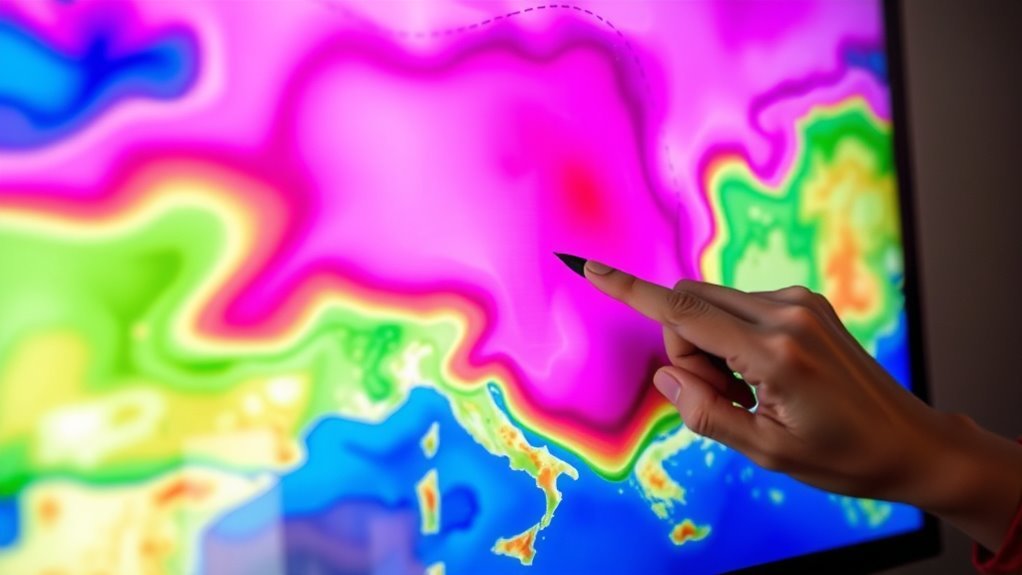
When you see pink on a weather map, it indicates a mix of winter precipitation like sleet or freezing rain.
This can quickly create icy, hazardous conditions.
The pink color signals near-freezing temperatures where rain transitions to ice or snow.
As a result, roads can become slippery, making travel risky.
You’ll want to take extra caution, slow down, and stay updated on local alerts.
In this guide, we’ll explore how pink compares to other map colors and discuss the safety steps you should take.
Stay informed and safe during these winter weather events!
Understanding Weather Map Color Codes
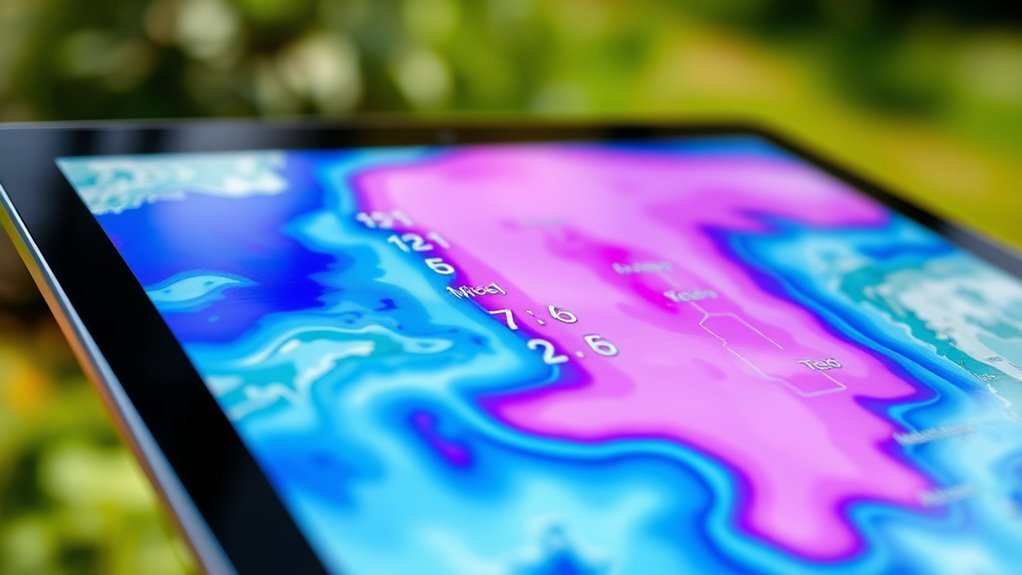
Although weather maps use various colors to show precipitation types and intensities, pink usually signals mixed precipitation like sleet or freezing rain.
When you look at a weather map, understanding the color codes is essential for accurate weather interpretation.
These codes help you quickly identify whether you’re facing rain, snow, freezing rain, or a mix.
Since pink often indicates a combination of precipitation types, it warns you to expect potentially hazardous conditions.
Keep in mind that color schemes can vary slightly between weather services, so always check the legend or key on the map you’re using.
The Science Behind Pink on Weather Maps
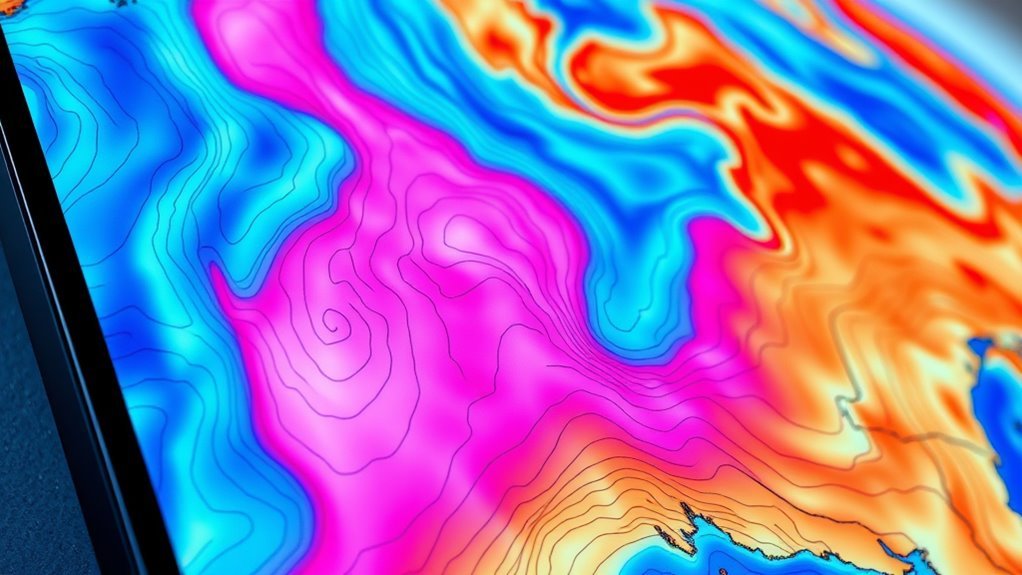
When you see pink on a weather map, it signals a mix of winter precipitation like sleet or freezing rain caused by temperatures hovering near freezing.
Pink highlights passageways where rain shifts to snow, reflecting atmospheric instability.
This color warns you of variable conditions and potential hazards due to winter precipitation types coexisting.
| Condition | Temperature Range (°F) | Weather Phenomenon |
|---|---|---|
| Below Freezing | < 32 | Snow |
| Near Freezing | 30–34 | Pink Zone (Mix) |
| Slightly Above Freezing | 32–36 | Freezing Rain/Sleet |
| Above Freezing | > 36 | Rain |
| Passageways | 30–34 | Atmospheric Instability |
Pink zones mark complex weather patterns you should monitor closely.
Types of Precipitation Represented by Pink
Pink on a weather map signals more than just a temperature range; it points to specific types of precipitation that can impact your day.
Pink on the weather map indicates mixed precipitation that could affect your day significantly.
When you see pink, you’re looking at areas experiencing mixed precipitation, which means a combination of rain, snow, sleet, or freezing rain.
This color highlights zones where freezing rain or sleet is falling, creating slippery conditions that can make travel hazardous.
Freezing rain coats surfaces with ice, while sleet consists of small ice pellets that bounce on impact.
Both forms of precipitation can disrupt daily routines, causing icy roads and power outages.
Temperature Conditions Associated With Pink Areas
How do temperature conditions influence the areas marked in pink on a weather map?
These regions usually hover around freezing temperatures, where surface temperature stays near 32°F (0°C).
This delicate balance creates the perfect environment for ice accumulation and hazardous conditions.
You’ll notice:
- Rapid temperature shifts that keep you on edge
- Surface temperatures just right for sleet or freezing rain
- Ice buildup that can make roads dangerously slick
- Unstable atmospheric layers causing mixed precipitation
When you see pink on a map, it signals freezing temperatures that lead to tricky winter weather.
Understanding these surface temperature patterns helps you prepare for potential ice accumulation and stay safe during sudden icy spells.
Keep an eye on pink zones—they warn you about conditions where ice and freezing rain are most likely to form.
How Pink Indicates Mixed Winter Weather
When you see pink on a weather map, it means mixed precipitation like sleet and freezing rain is likely because temperatures are hovering near freezing.
This combination creates slippery conditions that can make travel dangerous.
You’ll want to stay alert and take precautions whenever pink areas appear.
Mixed Precipitation Types
If you’re tracking winter storms, you’ll notice that areas shaded in pink on a weather map usually mean mixed precipitation is falling.
This means you could be facing sleet, freezing rain, or a blend of rain and snow all at once.
Pink signals unstable, tricky weather where moisture types quickly shift, making conditions unpredictable and often dangerous.
When you see pink, be ready for:
- Slippery roads from freezing rain
- Crunchy ice pellets caused by sleet
- Wet snow mixing with rain, reducing visibility
- Sudden changes in precipitation type that catch you off guard
Understanding these mixed precipitation types helps you prepare and stay safe during winter’s most challenging moments.
Temperature Near Freezing
Three degrees can make all the difference in winter weather, and that’s why areas shaded in pink on weather maps matter so much.
Pink usually marks temperatures near freezing—between 32°F and 35°F—where rain can quickly switch to sleet, freezing rain, or snow.
These colors highlight zones where light rain might fall but could freeze on contact, creating slippery surfaces.
Because the atmosphere hovers at this delicate balance, moisture changes form rapidly.
When you see pink, expect mixed precipitation types that can include light rain turning icy.
Understanding this helps you prepare for unpredictable conditions and stay safe when temperatures flirt with freezing.
Travel Hazard Warnings
Recognizing pink on a weather map means you’re looking at areas where mixed winter precipitation is likely.
This color warns you about hazardous travel conditions caused by sleet, freezing rain, or freezing drizzle.
Icy conditions can form quickly, making roads slick and visibility poor.
When you see pink, it’s a signal to prepare and stay alert.
Here’s what you should keep in mind:
- Expect slippery roads and sidewalks.
- Anticipate sudden changes in weather patterns.
- Plan extra travel time or postpone trips if possible.
- Stay updated with real-time weather alerts.
Safety Risks Linked to Pink Weather Zones
When you see pink on a weather map, it means icy road hazards are likely.
This makes travel risky. You should expect disruptions and stay alert for accident-prone conditions.
Taking precautions now can help you avoid dangerous situations on the road.
Icy Road Hazards
Because pink zones on weather maps signal freezing rain and sleet, you should prepare for slippery roads and reduced tire traction that sharply increase the risk of accidents.
Freezing rain creates a thin, invisible layer of ice, turning roads into deadly traps. These icy road hazards demand your full attention and caution.
When driving in pink zones, remember to:
- Slow down to maintain control on slick surfaces.
- Increase following distance to avoid sudden stops.
- Avoid sudden maneuvers that can cause skidding.
- Stay alert for black ice that blends with pavement.
Ignoring these risks puts you and others in danger.
Always treat pink zones seriously—they’re a clear warning of hazardous driving conditions caused by freezing rain and ice buildup.
Travel Disruption Risks
Pink zones on weather maps don’t just make roads slippery—they can disrupt your entire travel plans.
Mixed precipitation like sleet or freezing rain creates icy roads and hazardous travel conditions.
You might face reduced visibility, ice accumulation on your vehicle, or even road closures.
Authorities often issue travel advisories to keep you safe, so it’s smart to check updates before heading out.
Here’s a quick look at what to expect in pink zones:
| Weather Condition | Impact on Travel | Safety Tip |
|---|---|---|
| Freezing Rain | Icy roads, slippery | Drive slowly, use chains |
| Sleet | Reduced visibility | Use headlights, stay alert |
| Freezing Drizzle | Slick surfaces | Avoid unnecessary travel |
| Ice Accumulation | Vehicle hazards | Clear ice before driving |
| Road Closures | Travel disruption | Follow detours, plan ahead |
Increased Accident Potential
If you find yourself driving through areas marked in pink on weather maps, you’ll need to be extra cautious.
Mixed precipitation like freezing rain and sleet drastically reduces tire traction, increasing the chances of accidents.
Pink areas on weather maps signal icy conditions that can catch you off guard, elevating your accident risk.
Slippery roads and reduced visibility make every turn and stop more dangerous.
To stay safe, keep these in mind:
- Your tires lose grip quickly on icy surfaces.
- Visibility often drops, hiding hazards.
- Skidding and multi-vehicle collisions become more likely.
- Emergency responders may take longer to reach accident sites.
Always slow down, increase following distance, and stay alert when steering through pink weather zones.
Interpreting Pink for Travel and Outdoor Planning
When you spot pink on a weather map, you should prepare for mixed precipitation like sleet or freezing rain that can make travel hazardous.
Pink signals temperatures near freezing, creating icy conditions that make roads and walkways slippery.
Pink indicates near-freezing temps causing icy roads and sidewalks, so stay cautious outdoors.
If you’re planning to travel, expect delays and possible road closures due to these slick surfaces and reduced visibility.
For outdoor activities, exercise caution—icy patches increase the risk of slips and accidents.
It’s smart to monitor local weather updates closely and consider postponing any non-essential travel or outdoor plans when pink appears.
Comparing Pink With Other Weather Map Colors
Although many weather map colors show precipitation, you’ll want to pay close attention to pink because it signals mixed winter conditions like sleet and freezing rain.
Unlike green and yellow, which indicate rain intensity, pink warns you about complex winter precipitation that can be hazardous.
Blue usually marks snow, while pink highlights freezing rain or sleet, showing temperatures near freezing.
Recognizing these differences helps you prepare better.
Remember:
- Pink signals dangerous, slippery conditions.
- Green and yellow show rain, not ice risks.
- Blue means snow, often less immediately hazardous.
- Pink areas require extra caution for travel and safety.
Tools to Monitor and Respond to Pink Weather Alerts
Since pink weather alerts indicate dangerous mixed winter conditions like freezing rain and sleet, you’ll want to use reliable tools to monitor these warnings closely.
Start by checking official weather radar and satellite images that show colors on radar, especially the pink shading signaling freezing rain or sleet.
Weather apps with color-coded warnings help you quickly identify pink zones among different colors, so you can prepare accordingly.
Don’t forget to follow local National Weather Service websites and social media for real-time updates and detailed explanations of pink weather alerts.
Emergency management agencies also provide specific guidance during these periods, ensuring you know how to respond safely.
Using these tools together keeps you informed and ready to handle hazardous winter weather effectively.
Frequently Asked Questions
What Does Pink Mean on a Weather Map?
Pink on a weather map means you’re in an area with mixed precipitation like sleet or freezing rain.
You’ll want to watch out for slippery roads and plan carefully since these conditions can create hazardous travel situations.
How Do I Read the Colors on a Weather Map?
Imagine a painter’s palette: you read weather maps by matching colors to conditions—greens for gentle rain, yellows for steady showers, and pinks for icy mixes.
Trust the legend; it’s your key to decoding the sky’s story.
Is Pink Ice or Sleet?
Pink on a weather map means you’re likely dealing with sleet or freezing rain, not just ice.
It shows mixed precipitation near freezing, so expect slippery conditions from both frozen raindrops and icy surfaces.
Stay cautious!
What Do Colors Mean on the Weather App?
You’ll see colors show different weather types:
green means light rain,
yellow to red means heavier rain,
and pink warns of icy conditions like freezing rain or sleet.
These colors help you prepare for what’s coming.
Conclusion
Now that you know pink on a weather map signals mixed winter weather like sleet or freezing rain, you’re better equipped to stay safe and plan ahead.
Don’t let it catch you off guard—when pink shows up, it’s time to batten down the hatches and prepare for slippery roads and tricky conditions.
Keep an eye on updates, and you’ll navigate these weather challenges like a pro, no sweat.
In conclusion, understanding what pink means on a weather map helps you stay informed about potentially dangerous winter weather.
When you see that pink shade, be ready for mixed precipitation and take the necessary precautions.
Stay alert, stay safe, and you can handle whatever weather comes your way!