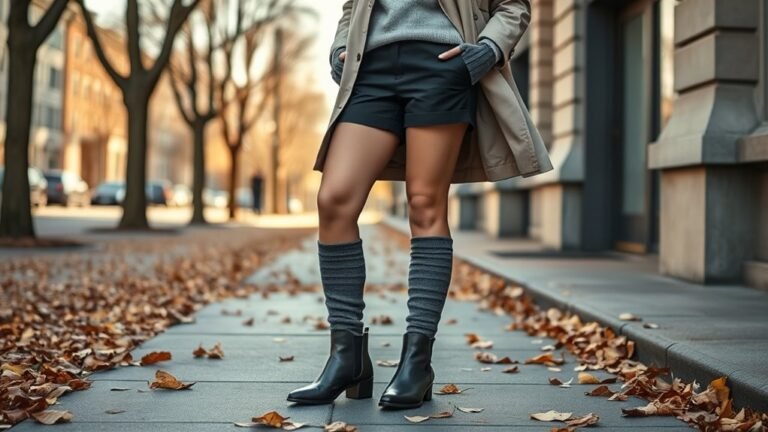
How to Decide If 70 Degrees Is Shorts Weather
At 70 degrees, deciding if it’s shorts weather can depend on a few factors. Your activity level and local conditions play a big role.
If you’re active—like walking or jogging—you’ll likely feel warm enough in shorts.
But if you plan to sit still or if there’s wind or cloud cover, pants might be a better choice.
It’s also important to opt for breathable fabrics.
And don’t forget to layer with a light jacket for those unexpected shifts in temperature.
Adjust your choices based on the sun, shade, and social settings to keep comfortable all day.
These factors really do matter, so consider them carefully!
How the Body Reacts to 70 Degrees

Although 70 degrees Fahrenheit feels comfortable to most people, your body’s internal thermostat works quietly to maintain that balance.
At this temperature, your body temperature stays stable, so you usually don’t feel hot or cold. If you’re outside briefly, you probably won’t start sweating or shivering.
However, walking through the shade or catching a light breeze can make you feel a bit cooler, which might slightly affect your comfort.
Because your core body temperature remains steady, you can choose your clothing with flexibility without worrying about discomfort.
Just remember, this balance depends on your body’s internal regulation, keeping you comfortable at 70 degrees without drastic reactions to the environment around you.
Your Activity Level Impacts Your Outfit Choice

When you’re moving around a lot, your body heats up. This makes shorts a smart choice at 70 degrees.
But if you’re mostly sitting or staying still, you might want to wear pants to stay comfortable.
Your activity level really shapes what outfit will feel best.
Movement Raises Body Heat
Since your body generates heat through movement, staying active at 70 degrees can make shorts feel comfortable rather than chilly.
When you move, your core temperature rises, which means you don’t need extra layers to stay warm.
Consider how different activities influence your comfort:
- Walking or biking boosts body heat efficiently.
- Moderate movement keeps you warm even if the air feels cool.
- Increased movement allows you to wear lighter clothing without shivering.
- Less movement means you might feel cooler and want more coverage.
Sedentary Needs Warmth
If you stay mostly still, your body won’t generate enough heat to feel comfortable in shorts at 70 degrees.
When you’re sitting or standing still, your body cools down faster, especially with wind chill or shade lowering the temperature.
That’s why pants often make more sense during sedentary activities in this weather.
Choosing lightweight, breathable pants or nylon-blend trousers keeps you comfortable without overheating.
Even indoors, where air conditioning or lack of sun can make it feel cooler, shorts might leave you chilly.
So, if you plan to be mostly inactive, skip the shorts and opt for something that retains warmth a bit better.
Your activity level directly impacts whether shorts are practical or if pants will keep you cozy.
Activity Guides Clothing
Your activity level plays a big role in deciding whether shorts feel right at 70 degrees.
When you’re active, your body generates heat, making it easier to wear shorts comfortably.
But if you’re mostly sitting or moving slowly, you might want extra layers.
Consider these points to help you decide if you should wear shorts:
- Jogging or playing sports heats you up quickly, so lightweight shorts work best.
- Moderate activities like walking or cycling still let you wear shorts without getting cold.
- Low-activity situations, such as working at a desk or relaxing outside, often call for longer pants.
- Always match your outfit to how much energy you’ll expend to stay comfortable at 70 degrees.
Social Setting and Style Expectations

Although 70 degrees feels comfortable enough for shorts, you should consider the social setting before choosing your outfit.
Casual spots like parks or outdoor cafes welcome shorts for their relaxed vibe. But if you’re heading to work or a semi-formal event, pants or chinos usually fit better with dress codes.
Some traditional settings expect longer pants, even when it’s warm. Trendy or youth-oriented groups often embrace shorts at 70 degrees, so knowing your environment helps you dress appropriately.
| Social Setting | Recommended Clothing |
|---|---|
| Casual (parks, beaches) | Shorts and short sleeves |
| Work/Semi-formal | Pants or chinos |
| Traditional | Longer pants preferred |
Understanding the social setting guarantees you look stylish and fit in comfortably.
Fabric Choice Is Just as Important
Since 70 degrees feels warm but not hot, choosing the right fabric plays a key role in staying comfortable.
Breathable materials help regulate your body temperature and keep you feeling fresh.
When picking shorts, consider these fabric tips:
- Opt for natural fibers like cotton or linen to boost breathability and reduce sweat buildup.
- Avoid heavy fabrics such as denim or wool blends, which trap heat and cause discomfort.
- Choose lightweight, moisture-wicking materials that dry quickly and allow airflow, perfect for fluctuating temperatures.
- Look for ventilated or mesh-paneled designs that improve circulation during outdoor activities.
These small fabric choices can make a big difference in your comfort level!
Consider the Wind Chill and Cloud Cover
You might think 70 degrees is perfect for shorts, but wind chill can make it feel 5 to 10 degrees cooler, especially if there’s a strong breeze.
Cloud cover also plays a big role, as overcast skies block the sun’s warmth and can drop the comfort level closer to 65 degrees.
Before you decide, check both the wind and clouds to know if shorts will really feel right.
Wind Chill Effects
When the wind picks up, it can make 70 degrees feel much cooler than the thermometer shows, sometimes by as much as 20 degrees.
You’ll want to think beyond just the number on the temperature gauge and consider the wind chill, which combines wind speed and air temperature to give a more accurate feel of the cold.
Keep these in mind:
- Wind chill can lower perceived temperature by 5 to 20 degrees, drastically affecting comfort.
- Strong winds increase heat loss from your skin, making shorts less appealing.
- On windy days, layering or wearing pants provides better insulation than shorts.
- Cloud cover also limits sun warmth, intensifying wind chill effects.
Impact of Cloudiness
Wind chill doesn’t act alone in shaping how 70 degrees feels — cloud cover plays a big role, too.
When clouds block direct sunlight, you lose that radiant warmth, making 70°F feel cooler than on a bright, sunny day. Overcast skies can drop the perceived temperature closer to 65°F or even lower, which might make you rethink wearing shorts.
Combine cloud cover with wind, and the effect intensifies; the wind chill can make the air feel more like the mid-60s.
In these conditions, you might find shorts less comfortable without an extra layer.
Transitioning Seasons Influence the Feel
Although 70 degrees may seem like a straightforward temperature, its comfort level shifts as seasons change, affecting how you perceive the weather.
During shifting seasons, your body reacts differently to the same temperature. So, deciding if shorts are appropriate depends on more than just the thermometer.
Consider these factors during seasonal shifts:
- In spring, 70°F often feels like early summer, making shorts a great choice.
- In autumn, the same temperature can feel cooler, nudging you toward longer pants.
- Overcast skies or wind can drop the perceived temperature, making 70°F feel closer to 65°F.
- Changes in daylight, humidity, and air pressure alter your body’s temperature perception.
Understanding these nuances helps you dress comfortably despite the fluctuating feel of 70 degrees during shifting seasons.
Flexibility Through Layering
Adjusting your outfit throughout the day makes handling the shifting feel of 70 degrees much easier.
Layering lets you quickly adapt to temperature changes, so you stay comfortable whether you choose shorts or pants.
Layering helps you easily adjust to temperature shifts, keeping you comfortable in shorts or pants all day.
Start with breathable base layers that wick moisture away, then add lightweight outer layers like a light jacket or vest.
These versatile pieces give you the flexibility to shed or add warmth as the sun moves or a breeze picks up.
By mastering layering, you avoid overheating in direct sun and prevent chills in cooler shade.
This strategy guarantees smooth transitions between warmer and cooler moments, optimizing your comfort.
Letting you enjoy 70-degree weather confidently, whether you’re out for a walk or running errands.
Frequently Asked Questions
Is 70 Degrees Shorts Weather?
Yes, 70 degrees is usually shorts weather if you feel comfortable and the sun’s out.
You might skip shorts if it’s windy or cloudy, but for most, it’s perfect for casual, active days outside.
What Should I Wear at 70 Degree Weather?
You should wear lightweight fabrics like cotton or linen, paired with shorts or skirts.
Add a T-shirt or tank top, and bring a light jacket for cooler moments.
Don’t forget sunglasses and comfortable shoes.
Do I Need a Hoodie in 70 Degree Weather?
You might want a hoodie in 70-degree weather, especially if mornings or evenings feel cool.
It’s perfect for layering, easy to remove if you get warm, and keeps you comfortable during breezy or overcast moments.
Is 70 Too Hot for Jeans?
Is 70 too hot for jeans?
Only if you enjoy feeling like a slow-cooked burrito.
But hey, if you pick lightweight or stretchy denim, you’ll probably breeze through without melting—jeans aren’t villains at this temp!
Conclusion
When deciding if 70 degrees is shorts weather, remember that 70°F feels comfortable to most people.
However, about 30% still find it a bit chilly for bare legs.
Your activity level, social setting, and fabric choice all play a role.
Don’t forget to check the wind and clouds, and use layering to stay flexible.
Trust your comfort—if you feel good, go for those shorts!
Enjoy the perfect balance between warm and cool!
In conclusion, while 70 degrees can be ideal for shorts for many, it’s essential to consider how you personally feel.
Factors like wind, your planned activities, and even the clothing fabric matter.
Ultimately, if you’re comfortable and confident in your shorts, embrace the warm weather!