Why Is Weather Sealing Important for Cameras?
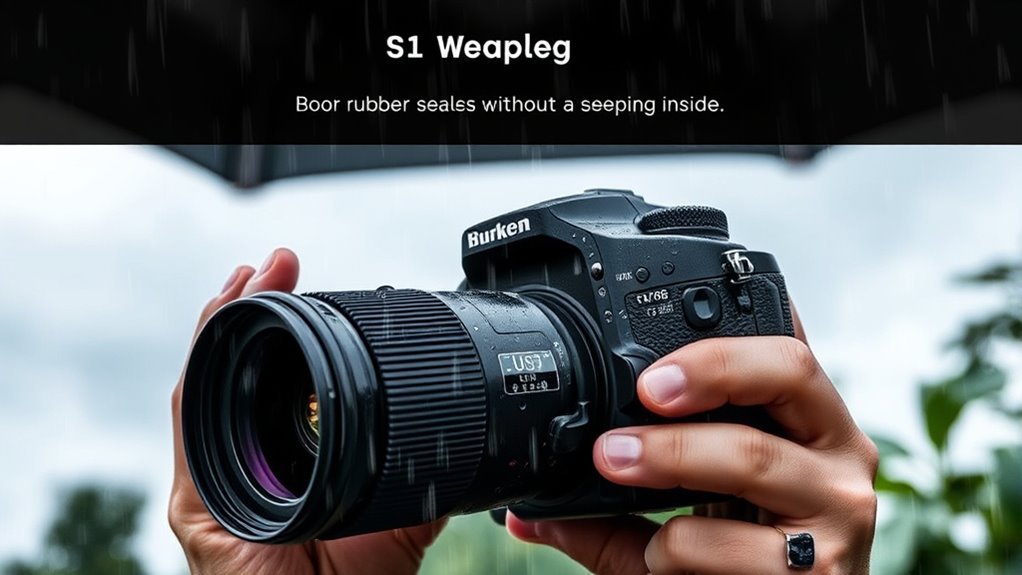
Weather sealing is crucial for your camera because it provides essential protection against dust, moisture, and light rain. This feature is especially valuable when you’re shooting outdoors, ensuring your equipment performs reliably in challenging conditions.
The design incorporates gaskets and rubber linings that effectively keep particles and splashes out.
This means your gear won’t fail you when you encounter harsh environments.
While it’s important to note that weather-sealed cameras are not fully waterproof, they do offer a level of confidence when shooting in rain or dusty settings.
Understanding how this feature can enhance your photography experience is key, and there’s much more to discover about what to look for in weather-sealed equipment.
What Does Weather Sealing Mean for Camera Protection?
What exactly does weather sealing mean for your camera’s protection?
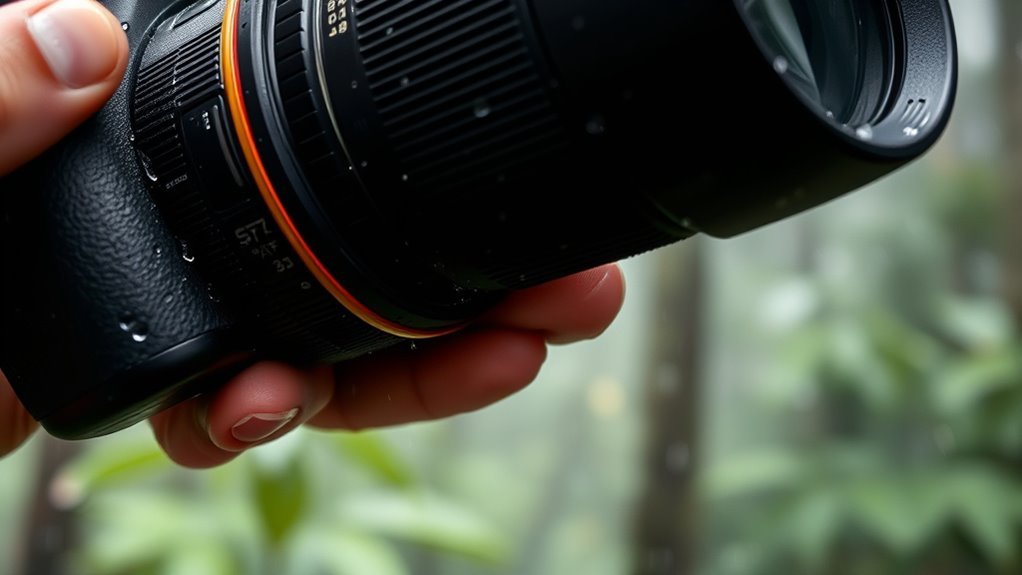
Weather sealing involves adding gaskets, rubber, or silicon linings around critical points like lens mounts, control buttons, and moving parts.
Weather sealing uses gaskets and rubber linings around key areas to keep dust and moisture out.
This design helps prevent dust and moisture from sneaking inside your camera.
While weather sealing doesn’t make your camera fully waterproof, it *considerably* boosts water resistance against splashes, fog, and light rain.
Larger components often get extra protection with foam or rubber layers to block out water and dust.
Keep in mind, the effectiveness of weather sealing depends on the quality of these seals and how well you maintain them over time.
Key Components and Materials Used in Weather Sealing
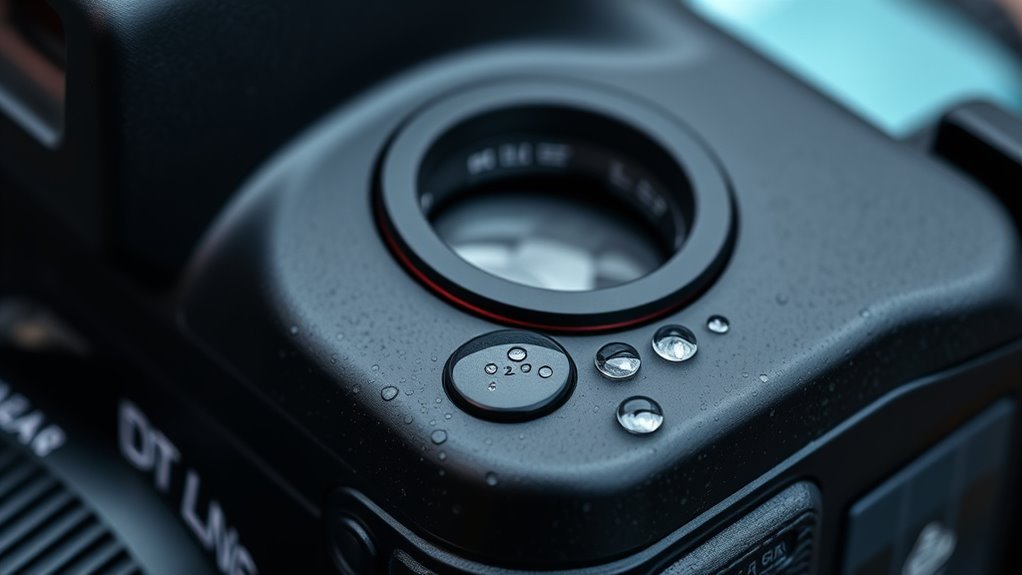
Although weather sealing varies by camera model, it generally relies on key components like gaskets, O-rings, and rubber linings placed at essential points such as lens mounts, buttons, and seams.
You’ll find rubber gaskets used around body panels and battery compartments to create tight barriers against dust and moisture.
Silicone, rubber, and foam materials are common choices because they effectively block water ingress while remaining flexible.
These sealing materials are strategically positioned at joints, control points, and moving parts to maintain protection without hindering usability.
Keep in mind that the durability of weather sealing depends on the quality and placement of these components.
Rubber gaskets and other materials can degrade over time, reducing their effectiveness.
Proper maintenance helps ensure your camera stays protected in harsh environments.
Differences Between Weather Sealing and Waterproofing
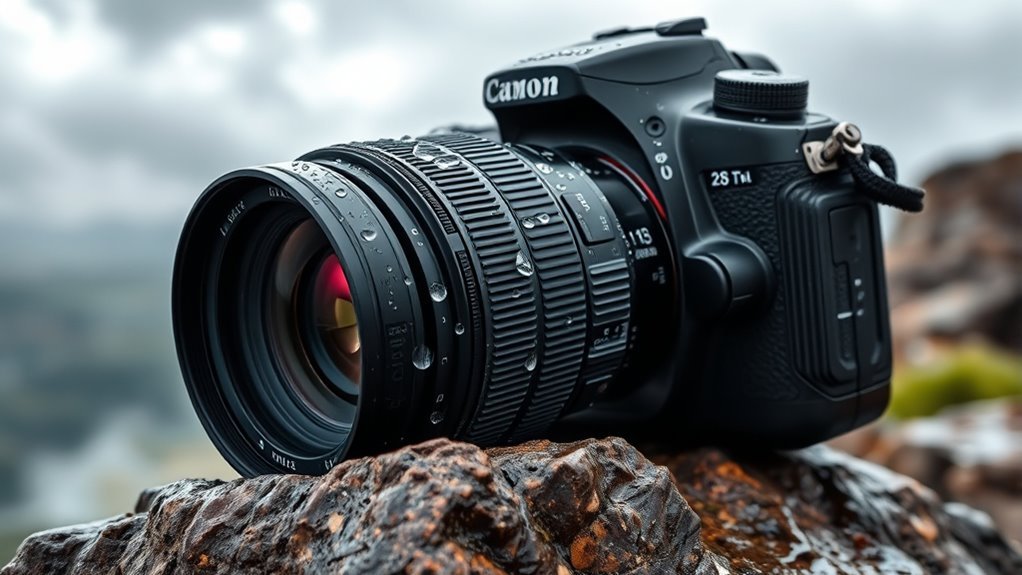
You’ll find that weather sealing protects your camera from dust and light rain,
but doesn’t make it fully waterproof.
Waterproof cameras are built to handle full water immersion, often using tougher materials and construction.
Understanding these differences helps you choose the right gear for your shooting conditions.
Weather Sealing Explained
While weather sealing helps keep dust, rain, and humidity out of your camera’s sensitive parts, it doesn’t make your gear fully waterproof.
Weather sealing uses gaskets, rubber, or silicon linings on camera joints to create a weather resistant barrier that protects against light moisture, dust, and occasional splashes.
This means your camera can handle rain or snow without immediate damage, but it’s not designed for heavy or prolonged water exposure.
Unlike waterproof cameras, which can be submerged safely, weather sealed models aren’t tested for full immersion.
So, while weather sealing provides essential environmental protection, it’s important not to confuse it with waterproofing.
Understanding this difference helps you use your camera confidently in various conditions without risking water damage.
Waterproofing Versus Sealing
When you choose a camera, understanding the difference between weather sealing and waterproofing can help you protect your gear effectively.
Weather sealing offers a barrier against dust, moisture, and light rain but doesn’t make your camera fully waterproof. It typically involves gaskets, O-rings, and rubber linings to resist environmental elements during outdoor use.
On the other hand, waterproofing means the camera can withstand complete water submersion, thanks to sealed joints and pressure-resistant casings, often verified by specific IP ratings.
Most weather-sealed cameras aren’t built for heavy rain or prolonged immersion, so relying on weather sealing alone won’t guarantee your gear survives underwater conditions.
Knowing these differences helps you pick the right protection based on your shooting environment and needs.
Real-World Benefits of Weather Sealed Cameras
When you use a weather-sealed camera, you get enhanced durability that stands up to dust, moisture, and light rain.
This protection lets you shoot in harsh conditions without worrying about damaging your gear.
With that confidence, you can focus on capturing great shots no matter where your adventures take you.
Enhanced Outdoor Durability
Because weather-sealed cameras use gaskets, O-rings, and rubber linings to keep out dust, moisture, and snow, you can shoot confidently in tough outdoor conditions.
This weather-sealed camera design boosts your gear’s outdoor durability, letting you focus on capturing moments without worrying about environmental damage.
It minimizes risks like internal corrosion and malfunctions caused by humidity, saltwater, or dust.
Plus, these cameras withstand temperature swings and rough handling, extending their lifespan.
Here’s a quick look at how enhanced outdoor durability benefits you:
| Feature | Benefit |
|---|---|
| Dust Resistance | Keeps sensor and parts clean |
| Moisture Protection | Prevents water damage |
| Snow Proofing | Enables shooting in snow |
| Temperature Resilience | Handles extreme temperatures |
| Robust Construction | Survives drops and bumps |
Protection Against Elements
How do weather-sealed cameras protect your gear in unpredictable conditions?
They use gaskets, O-rings, and rubber linings to create a barrier against dust, water, and snow.
This weather resistance means you can shoot in light rain, snow, or dusty environments without fearing damage to your camera’s sensitive internal parts.
Think of your camera as protective gear, shielding your investment from nature’s elements.
With weather sealing, you get real-world benefits like:
- Keeping moisture out during sudden downpours
- Preventing dust from clogging internal components
- Avoiding scratches and abrasion from sand or snow
- Extending your camera’s lifespan in tough outdoor settings
This protection helps your gear perform reliably when you need it most.
Confidence in Harsh Conditions
Why worry about sudden weather changes when your camera is built to handle them?
Weather sealing lets you shoot confidently in rain, snow, or dusty environments without fearing damage.
This feature gives you real confidence in harsh conditions, so you can focus on capturing moments instead of stressing over protective covers.
Outdoor professionals rely on weather-sealed cameras to avoid malfunctions caused by environmental factors.
This ensures their gear performs reliably when it matters most.
In real-world scenarios, these cameras withstand unexpected rain showers and blowing dust, extending durability for longer outdoor use.
With weather sealing, you’re free to explore and shoot in challenging conditions.
You can trust that your camera will keep up without compromising performance or your creative flow.
Limitations and Risks Despite Weather Sealing
Although weather sealing offers valuable protection, it isn’t foolproof and can degrade over time due to wear, damage, or manufacturing flaws.
You might think your camera is invincible in inclement weather, but even sealed gear can let in sand, dust, or grit, causing internal harm.
Some manufacturers overstate their weather sealing claims, so don’t assume full protection without standardized IP ratings.
Remember, sealed cameras aren’t waterproof—they won’t survive prolonged submersion or heavy rain without risk.
Consider these risks when using weather sealed gear:
- Seal wear reducing effectiveness after repeated use
- Infiltration of fine dust or sand despite sealing
- Exaggerated weather resistance claims without IP certification
- Vulnerability to water damage in heavy rain or immersion
Stay cautious and complement sealing with proper care in harsh conditions.
Ideal Photography Scenarios for Weather Sealed Gear
When you shoot outdoors in rain, snow, or dusty conditions, weather-sealed cameras safeguard your gear from moisture and particles that could cause damage.
If you often shoot in rain or foggy environments, weather sealing guarantees your camera withstands humidity and wetness without failing.
Wildlife and safari photographers benefit greatly because dust and dirt rarely stop them. Their gear stays reliable in the toughest conditions.
Action and sports shooters face mud and spray regularly, so weather sealing keeps their equipment functioning through intense events.
Travel photographers exploring rugged, remote areas also rely on weather-sealed cameras to handle unpredictable weather and rough conditions.
In all these scenarios, weather sealing isn’t just a feature—it’s essential for capturing shots confidently, no matter what nature throws at you.
Practical Tips for Using and Maintaining Weather Sealed Equipment
To keep your weather-sealed camera and lenses performing reliably, you should always clean and dry them promptly after exposure to rain, snow, or dust.
Using protective covers or rain sleeves adds an extra barrier against moisture, especially in heavy weather. Avoid changing lenses outdoors in wet or dusty conditions to maintain the integrity of the weather sealing.
Regularly check gaskets, O-rings, and seals for wear and replace them if needed.
Here are some practical tips:
- Use protective covers during storms or dusty shoots.
- Clean and dry your gear immediately after exposure.
- Inspect and replace worn seals periodically.
- Store equipment in a dry, ventilated space with silica gel packets.
These habits will maximize your weather sealing’s effectiveness and extend your gear’s life.
Frequently Asked Questions
Is It Important to Have a Weather Sealed Camera?
Yes, you should get a weather-sealed camera if you shoot outdoors often.
It protects your gear from dust, moisture, and light rain.
This helps your camera last longer and perform reliably in tough conditions.
What Is Weather Sealing in Camera?
Imagine your camera wrapped in a protective shield—weather sealing means adding rubber gaskets and seals around joints and buttons.
This way, you don’t have to worry about dust or light rain messing up your shots outdoors.
It’s like giving your gear a cozy raincoat, ensuring it stays safe while you capture those stunning moments!
Do Cameras Really Add 10 Pounds?
No, cameras don’t add 10 pounds from weather sealing.
You’ll usually notice just a few ounces extra—about 5-15% more weight—so it’s barely noticeable.
It won’t weigh you down during your shoots.
How to Protect a Camera Without Weather Sealing?
Imagine shooting during a sudden rainstorm—use a rain cover or protective jacket to shield your camera.
You’ll avoid damage by keeping moisture and dust out.
Wipe it dry immediately and never change lenses outdoors in bad weather.
Conclusion
Just like a trusty raincoat shields you from a sudden downpour, weather sealing protects your camera when nature throws its worst at you.
While it’s not a superhero cape making your gear invincible, it gives you the confidence to shoot in challenging conditions without constant worry.
So, whether you’re chasing storms or capturing morning mist, weather sealed cameras let you focus on the shot—not the weather.
Keep them cared for, and they’ll have your back.
In conclusion, weather sealing is crucial for photographers who want to brave the elements. It provides essential protection against moisture, dust, and other environmental factors that could damage your camera.
With the right maintenance, your weather sealed camera can help you capture stunning images in various conditions. So, gear up and trust that your camera can handle whatever Mother Nature throws your way!