Does Cold Weather Kill Fleas Effectively?
Cold weather alone won’t kill fleas effectively. While it may seem like the chilly temperatures should eliminate these pests, the reality is a bit different. Fleas have a clever way of surviving, especially during the winter months.
Their eggs, larvae, and pupae can withstand cold conditions by hiding in protected spots like soil, leaf litter, or your pet’s bedding.
Adult fleas struggle to survive outdoors when temperatures drop below freezing for more than five days. However, the warmth indoors allows the flea life cycle to continue year-round.
Fleas also find refuge in animal dens and sheltered areas outside, which makes them tough to eliminate with just cold weather.
To truly keep your home and pets flea-free during winter, it’s important to know more about effective prevention and treatment strategies.
Flea Life Cycle and Winter Survival
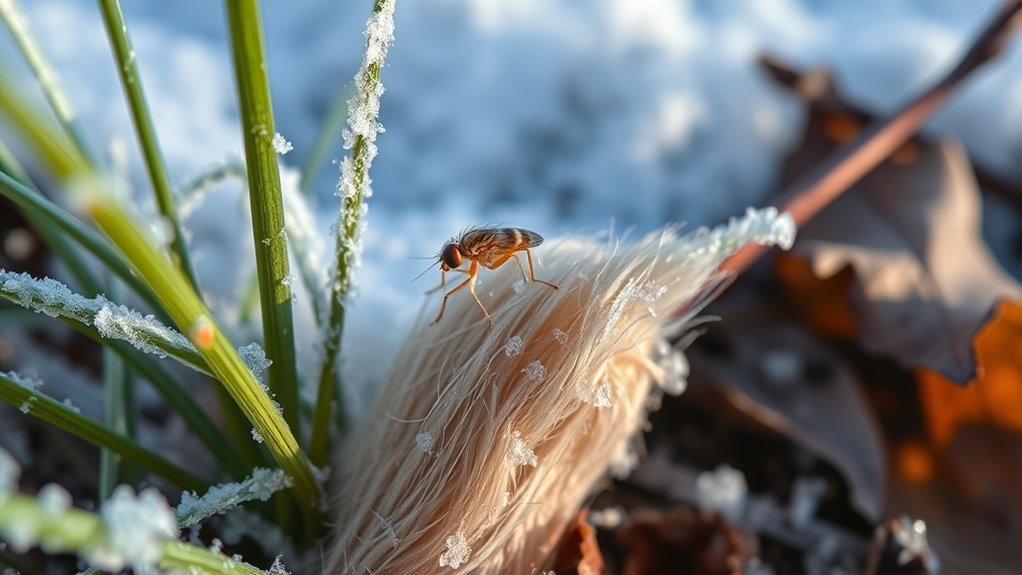
Although cold weather can kill adult fleas exposed to freezing temperatures for several days, it doesn’t eliminate the entire flea population.
Cold weather kills some adult fleas but won’t wipe out the entire flea population.
You should know that flea eggs survive year-round in the environment, waiting for favorable conditions to hatch.
During winter, flea larvae can remain dormant inside cocoons for up to five months, patiently holding on until the temperature rises.
Adult fleas, however, struggle to survive outdoors below 32°F for more than five days.
Inside your home or sheltered areas, though, warmth allows the flea life cycle to continue.
This enables adult fleas to thrive despite the cold.
So, while winter slows development, it doesn’t stop flea eggs from ensuring the population’s winter survival.
This makes flea control a year-round concern.
How Fleas Adapt to Cold Weather
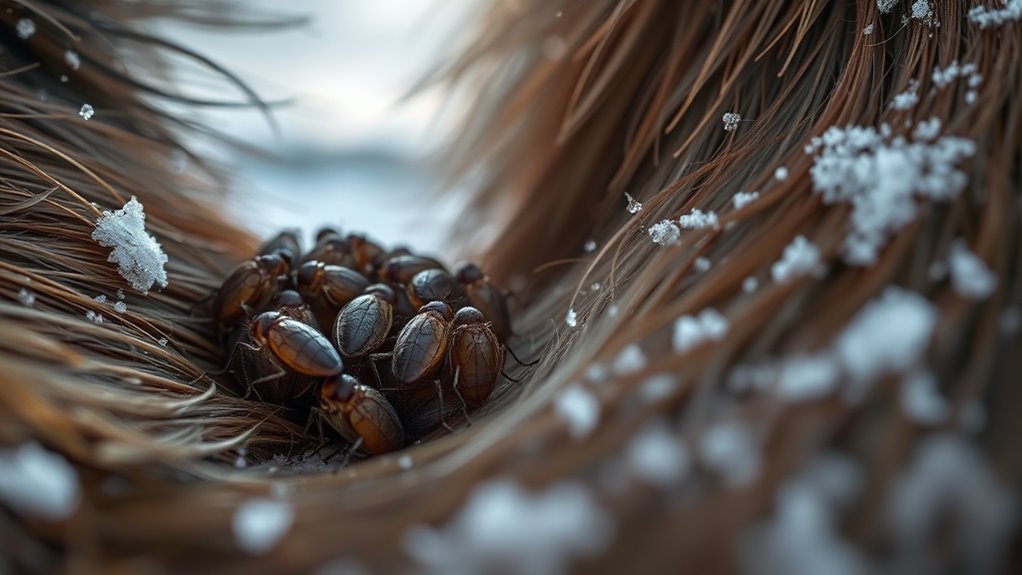
You’ll find that fleas have clever survival mechanisms to handle cold weather.
They enter dormancy or hide in warm places to avoid freezing temperatures.
Understanding these strategies helps explain why cold alone doesn’t always wipe them out.
Flea Survival Mechanisms
When temperatures drop, fleas don’t just freeze and die; they actively seek out warmer spots to survive.
Their flea survival depends on finding insulated environments where temperature stays above freezing.
While adult fleas can’t endure prolonged exposure to temperatures below 32°F and usually die within five days, their eggs and pupae have adapted differently.
Eggs and larvae can remain dormant in protected places, waiting out the cold.
Pupae can survive for months inside cocoons, emerging only when environmental cues like warmth or movement signal favorable conditions.
By hiding indoors, under soil, or on warm hosts, fleas cleverly avoid lethal cold.
Understanding these survival mechanisms helps you realize why cold weather alone isn’t enough to eliminate fleas completely.
Flea Dormancy Strategies
Fleas survive cold weather not just by seeking warmth but by entering dormancy stages that help them wait out harsh conditions.
Their flea dormancy is a key survival strategy during cold temperatures. Here’s how they adapt:
- Flea pupae remain inside tough cocoons for up to five months, resisting cold and emerging only when conditions improve.
- Unhatched flea larvae hide in debris or sheltered indoor spots, surviving despite freezing outdoor temperatures.
- Fleas continue their life cycle indoors where temperatures stay above 46°F, ensuring ongoing survival through winter.
The Role of Protected Environments in Flea Survival
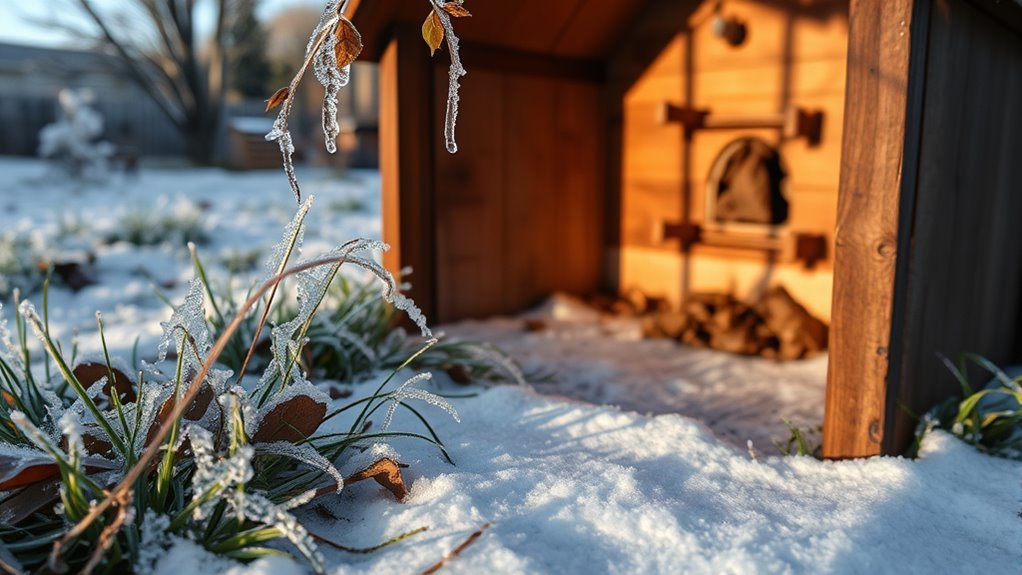
You might not realize how much indoor warmth helps fleas survive through winter.
Fleas find shelter in animal dens and cozy home environments where temperatures stay steady.
These protected spots let fleas keep thriving despite the cold outside.
Indoor Warmth Supports Fleas
Although cold weather can reduce flea populations outdoors, indoor warmth provides a safe haven where these pests can survive year-round.
You might not realize it, but your home’s warm temperatures create perfect conditions for flea survival. Flea eggs, larvae, and pupae hide in carpets, furniture, and pet bedding, waiting for the right moment to emerge.
To keep fleas at bay, focus on year-round flea prevention indoors. Here’s what you need to know:
- Indoor environments usually stay above 46°F, preventing fleas from dying off like they do outside.
- Heating systems and insulation maintain cozy spots where fleas develop and thrive.
- Regular cleaning and consistent temperature control are vital to disrupt flea life cycles inside.
Animal Dens Shelter Fleas
When animals retreat to their dens during winter, they unintentionally provide fleas with a warm refuge where these pests can survive harsh conditions.
Animal dens create a stable, indoor environment that shelters fleas from freezing temperatures, allowing them to stay active and reproduce.
You’ll find fleas thriving in the nests and burrows of outdoor wildlife like raccoons and possums, which carry them into your yard.
These protected spaces generate enough body heat for fleas to avoid winter mortality.
Additionally, flea pupae can remain dormant in cocoons within these dens, waiting for signs of warmth or movement before emerging.
Understanding how animal dens shelter fleas highlights why cold weather alone doesn’t guarantee flea elimination during winter survival.
Home Environments Enable Survival
Beyond animal dens, the indoor spaces you occupy offer fleas even better chances to survive the cold.
Flea survival thrives in your home’s consistent warmth and humidity, which shield them from harsh winter temperatures.
The indoor environment creates protected zones where flea eggs, larvae, and pupae remain safe, ensuring ongoing development despite cold weather outside.
You should know that fleas persist if temperatures stay above about 46°F.
Key factors enabling flea survival indoors include:
- Carpets, bedding, and furniture harboring flea eggs and larvae.
- Sheltered areas like basements and attics maintaining mild temperatures.
- Pets carrying fleas, providing a living host in winter months.
Managing your indoor environment through cleaning and climate control is essential to prevent infestations during cold weather.
Impact of Freezing Temperatures on Flea Populations
Since fleas can survive temperatures as low as 46°F, you might wonder if cold weather alone can control their populations.
Freezing temperatures below 32°F, sustained for over five days, generally kill adult fleas outdoors.
However, flea eggs and flea larvae show more resistance to the cold and often survive by staying dormant in protected spots like animal burrows or indoor areas.
Additionally, fleas in cocoons can withstand cold weather for months, waiting for warmer conditions.
So, while prolonged freezing temperatures can reduce adult flea numbers, the overall flea population often endures because these early stages remain shielded from the cold.
To truly impact flea populations, you need consistent freezing and limited access to warm hosts or sheltered environments that allow their survival during cold spells.
Common Winter Flea Hosts and Transmission
Although freezing temperatures can reduce adult flea numbers, these pests find ways to survive winter by clinging to hosts that offer warmth and shelter.
Understanding common winter flea hosts helps you grasp how flea transmission continues despite cold weather.
Key winter flea hosts include:
- Indoor pets that provide fleas with a constant warm environment.
- Wildlife such as raccoons and possums, which carry fleas into yards.
- Animals in sheltered outdoor dens offering protection from harsh weather.
Fleas often move from wildlife to your pets during outdoor interactions, then thrive indoors.
The indoor environment’s warmth and humidity support flea survival year-round, allowing them to hide in pet bedding, furniture, and carpets.
Indoor Versus Outdoor Flea Activity in Winter
You’ll find fleas survive much easier indoors during winter because your home stays warm enough for them to stay active.
Outdoors, fleas face tougher challenges as freezing temperatures can kill them if they last several days.
Though sheltered spots might offer some protection.
Understanding these differences helps you target flea control more effectively in each environment.
Indoor Flea Survival
Even when temperatures drop outside, fleas can thrive indoors because homes typically stay warmer than 46°F.
This steady temperature supports indoor flea survival year-round.
You should know that flea eggs, larvae, and pupae can enter egg dormancy, remaining inactive in warm indoor environments until conditions improve.
Adult fleas often persist on pets and inside your home, unaffected by cold outdoor weather.
Three key factors support indoor flea survival:
- Consistent indoor temperature above 46°F prevents cold-related flea die-off.
- Flea eggs’ dormancy allows survival through unfavorable periods.
- Warm indoor environments provide ideal humidity and warmth for the flea life cycle.
Because of these factors, relying on cold weather alone won’t control fleas indoors—you need proper prevention instead.
Outdoor Flea Challenges
When outdoor temperatures drop, fleas face tougher survival challenges than indoors, but they don’t disappear entirely.
Outdoor fleas can survive in the outdoor environment by seeking shelter in animal burrows, nests, or under snow, where winter temperatures stay above freezing.
Even when temperatures fall below 32°F for extended periods, fleas hiding in leaf litter, shaded areas, or soil can avoid lethal cold.
Wildlife like raccoons and possums also carry fleas into your yard, maintaining a steady outdoor flea population regardless of the chill.
While flea survival rates decline during colder months, these protected spots and hosts allow outdoor fleas to persist.
Risks of Intestinal Parasites During Cold Months
Although cold weather may slow some pests, intestinal parasites like roundworms, whipworms, and tapeworms can survive in soil contaminated by wildlife or outdoor pets throughout the winter.
You might think fleas are the main concern in winter, but these parasites also pose risks.
Even if your pet only walks on contaminated ground, they can pick up parasites without direct ingestion.
To protect your pet during winter, focus on:
- Year-round parasite prevention, which covers fleas and intestinal worms alike.
- Avoiding areas known for wildlife contamination.
- Regular veterinary check-ups to catch infections early.
Effective Flea Prevention Strategies for Winter
Because fleas can survive mild winter temperatures and remain dormant indoors, you can’t rely on cold weather alone to protect your pet.
Effective flea prevention means treating your pet regularly and managing your indoor environment to stop winter fleas from thriving.
| Strategy | Purpose | Tips |
|---|---|---|
| Regular pet treatment | Kill fleas on pets | Use vet-approved topical or oral meds. |
| Indoor cleaning | Remove eggs and larvae | Vacuum carpets and wash bedding weekly. |
| Environmental control | Reduce flea habitats | Keep indoor temps below 52°F if possible. |
| Outdoor maintenance | Limit flea breeding grounds | Clear debris and treat yard if needed. |
| Monitoring | Early detection | Check pets and home frequently. |
Combining these approaches ensures you control fleas despite cold weather and protect your pet year-round.
Natural and Plant-Based Flea Control Options
If you prefer gentler alternatives to chemical treatments, natural and plant-based flea control options offer effective ways to manage fleas safely.
These methods target fleas and their eggs without harsh chemicals. Here are three you can try:
- Use diatomaceous earth, a natural powder that dehydrates fleas on contact, disrupting their life cycle.
- Apply plant-based essential oils like lavender, peppermint, or eucalyptus cautiously. These oils repel or kill fleas and prevent eggs from hatching.
- Introduce beneficial nematodes outdoors to naturally reduce flea larvae in your yard.
Keep in mind, natural flea control often needs consistent application and works best combined with other strategies.
Products like Wondercide offer plant-powered sprays safe for pets, enhancing your flea control efforts while avoiding chemicals.
When to Seek Veterinary Assistance for Flea Control
When flea infestations persist despite your best efforts, it’s time to consult a veterinarian.
If over-the-counter flea control products aren’t working or your pet shows signs of skin irritation or allergies, seeking veterinary assistance becomes essential.
A vet can evaluate your situation and recommend professional treatment options, such as insect growth regulators, especially when infestations are severe or difficult to manage.
They’ll also suggest effective year-round prevention strategies tailored to your pet’s environment and health needs.
Regular veterinary check-ups help monitor flea infestations before they worsen or cause health problems.
Don’t hesitate to reach out for veterinary assistance—it guarantees your pet receives the right care and helps you achieve lasting flea control.
Frequently Asked Questions
How Cold Is Cold Enough to Kill Fleas?
You need temperatures below 32°F (0°C) for about five continuous days to kill fleas effectively.
Anything warmer lets some survive, especially larvae or pupae hiding in protected spots.
What Will 100% Get Rid of Fleas?
You won’t find a single method that guarantees 100% flea elimination.
Instead, treat your pet, home, and yard simultaneously with vet-approved products.
Vacuum often, wash bedding hot, and use insect growth regulators consistently for best results.
Do Fleas Go Away When It Gets Cold Outside?
You might think fleas disappear when it gets cold, but they don’t.
They find warm places indoors and survive, waiting for spring.
What Time of Year Do Fleas Disappear?
You’ll usually see fleas disappear during late fall or winter when temperatures drop consistently below freezing for weeks.
However, they might linger indoors or in milder climates, so don’t expect them gone entirely until then.
Conclusion
Don’t be fooled into thinking cold weather sends fleas packing for good.
They’re like tiny, furry ninjas hiding in the warmest corners, ready to strike when you least expect it.
Freezing temps might slow them down, but these pests survive winter’s worst just fine.
So, bundle up your prevention efforts like a fortress to keep fleas out.
Otherwise, you’ll be hosting an unwanted flea fiesta all season long!
In conclusion, while cold weather can slow fleas down, it doesn’t eliminate them.
They are resilient and can find ways to survive the chill.
To effectively prevent a flea infestation, it’s essential to remain proactive with your pest control measures, even during the colder months.
Stay vigilant and maintain a strong defense against these pesky invaders, so your home remains flea-free all winter long!