Do Roaches Live in Cold Weather?
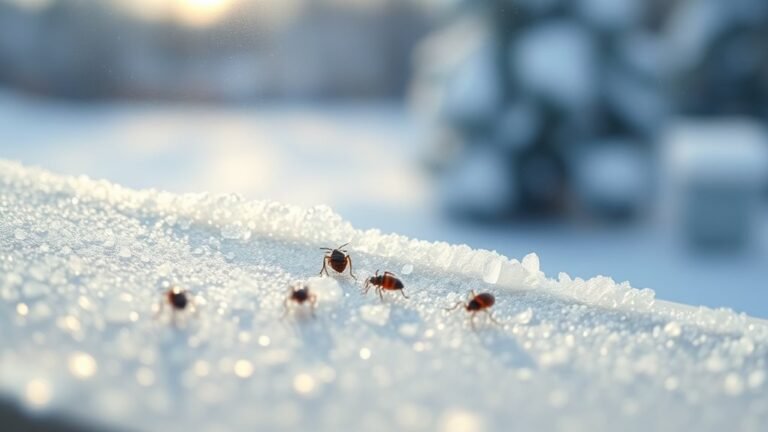
Roaches can’t survive long outside in freezing cold, but they’ll stay active indoors where it’s warm and moist.
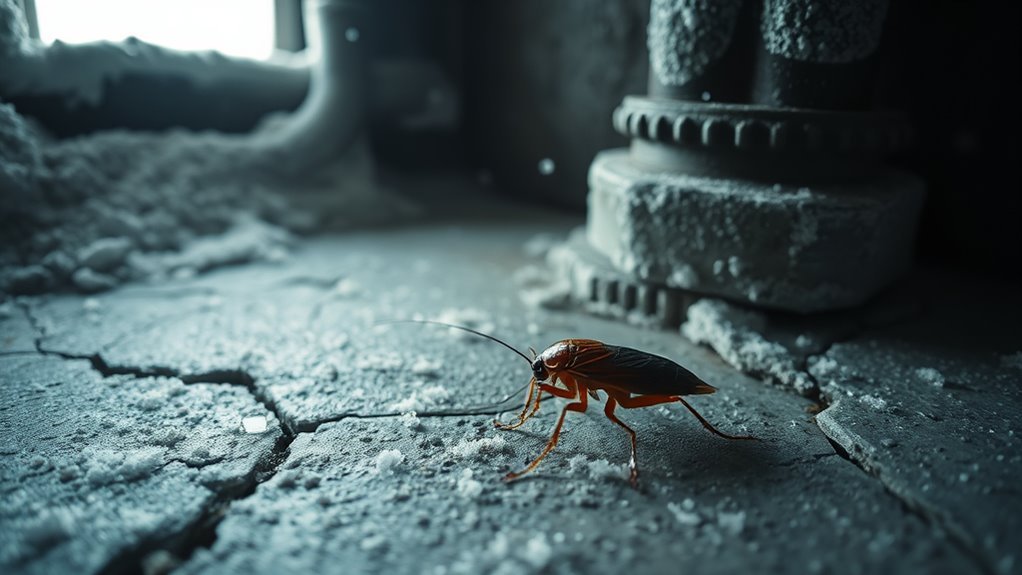
You’ll typically find them hiding in wall cracks, behind appliances, or in basements during winter.
Cold temperatures slow their reproduction, but they won’t disappear completely.
To keep them out, you’ll want to seal entry points and reduce clutter and moisture.
Keep exploring to uncover how these pests survive and what you can do to stop them.
Cockroach Survival Strategies in Cold Temperatures
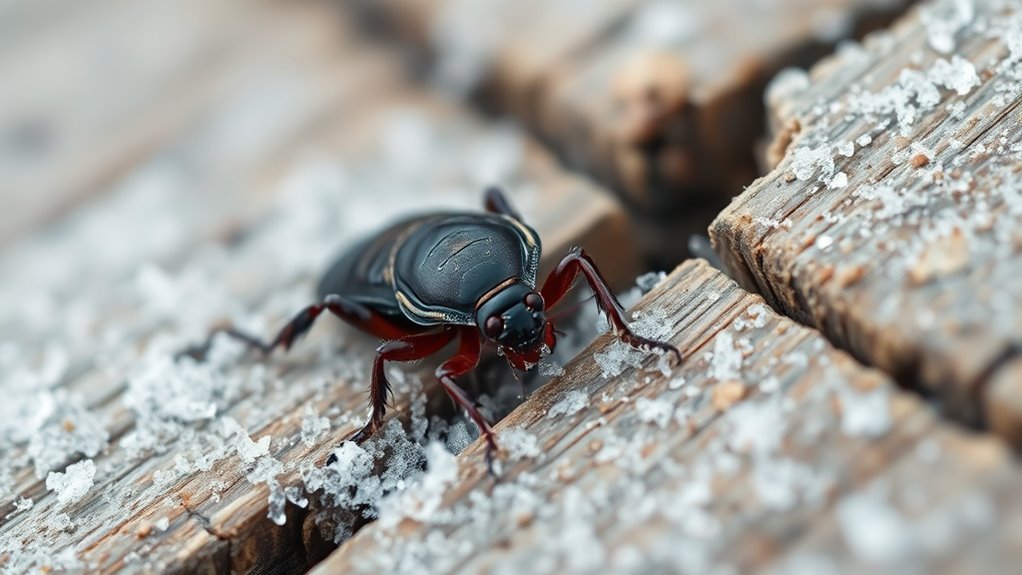
Although cockroaches can’t survive prolonged exposure to temperatures below 15°F, they’ve developed clever strategies to endure colder months.
Cockroaches can’t tolerate long periods below 15°F but use smart tactics to survive winter.
When facing cold temperatures, many cockroaches enter diapause, a state that slows metabolism and halts reproduction, helping them conserve energy.
Since they’re cold-blooded, they rely on environmental heat sources and often migrate indoors to find warmth.
Indoor warmth provides an ideal environment for cockroaches to survive and even reproduce year-round.
This makes winter pest control essential.
By understanding these survival strategies, you can better prevent infestations during colder seasons.
Keeping your home sealed and maintaining cleanliness helps limit their access to cozy spots.
Common Cockroach Species Active in Winter
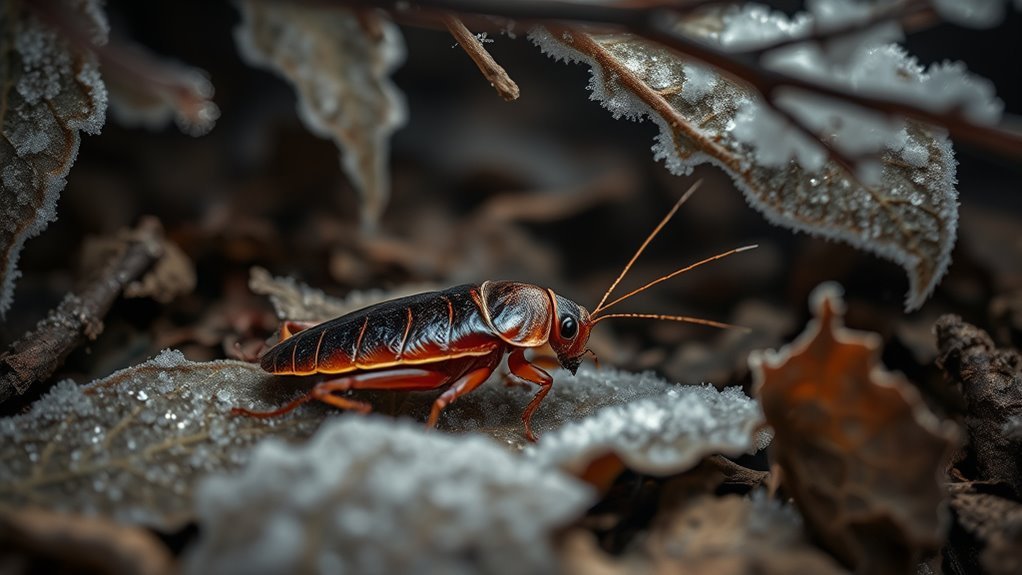
You’ll find that certain cockroach species stay active through winter by seeking warm indoor spots.
German cockroaches thrive in hidden, cozy areas.
Meanwhile, American and Oriental cockroaches look for shelter in basements or crawlspaces.
Understanding where these roaches hide and how well they tolerate cold helps you spot and manage them during colder months.
Winter Roach Species
When winter brings cold weather, you might expect all roaches to vanish, but several common species stay active indoors.
Winter roach species like German, Oriental, and American cockroaches are resilient indoor pests that survive the winter by taking advantage of heated environments.
While they may enter a hibernation-like state called diapause to reduce activity, they don’t survive prolonged exposure to freezing temperatures outside.
German cockroaches remain active year-round, while Oriental cockroaches prefer damp, warm areas inside.
American cockroaches often invade homes when the cold drives them indoors.
Because these species hide in sheltered, heated places, cold temperatures outside don’t stop them.
Understanding how these winter roach species survive the winter helps you improve cockroach control and keep your home roach-free even in cold months.
Indoor Roach Habitats
Winter’s cold won’t drive all roaches away since many common species thrive indoors throughout the season.
Indoor habitats provide shelter from freezing temperatures and enable year-round survival.
Roaches like the German species hide in wall voids, cabinets, and behind appliances.
Meanwhile, Oriental and American cockroaches prefer warm areas such as basements and plumbing enclosures.
They often occupy hidden spots near heat sources to stay active all winter.
Here’s where roaches commonly hide inside your home during cold months:
- Wall voids and cabinet cracks
- Behind kitchen appliances
- Basements and crawlspaces
- Near water heaters and plumbing
- Electrical outlets and warm corners
Understanding these indoor habitats helps you control their presence despite winter’s chill.
Species Cold Tolerance
Although cold temperatures can limit their activity outdoors, several common cockroach species remain active indoors throughout winter by seeking out warm, sheltered spots.
German cockroaches show impressive cold tolerance indoors, thriving around 70°F but struggling below 50°F.
Oriental cockroaches survive colder indoor environments, especially in damp areas where moisture supports their indoor survival.
Asian cockroaches, similar to their American counterparts, avoid temperature drops by moving indoors, often hiding in heated basements and crawlspaces.
Brown-banded cockroaches tolerate lower temperatures and stay active year-round inside.
Most outdoor species can’t withstand prolonged exposure below 15°F, so they migrate indoors when winter hits.
Understanding these species’ cold tolerance helps explain why you might still find roaches scurrying inside even during the chilliest months.
How Cold Weather Affects Cockroach Reproduction
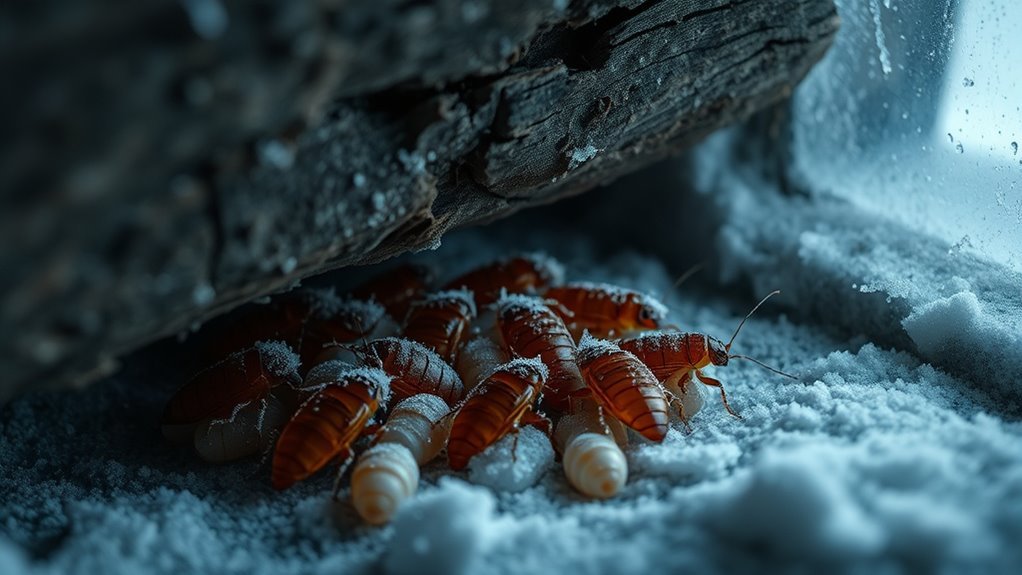
You’ll notice cockroach reproduction slows down as temperatures approach 44°F because their metabolism drops.
While adult roaches struggle in the cold, their eggs can survive mild chilly conditions.
Understanding this helps explain why roach populations shrink in winter but don’t disappear completely.
Reproduction Slows Near 44°F
When temperatures drop to around 44°F, cockroach reproduction slows down considerably because their egg production and growth rates decline.
You’ll notice that:
- Adult cockroaches enter dormancy or diapause near 44°F, halting reproduction.
- Egg survival rates drop as cold limits development and hatchlings.
Reproduction becomes less efficient due to reduced cockroach activity.
Populations tend to stabilize or decline in these cooler conditions.
Growth rates slow, preventing population surges until warmth returns.
At 44°F, the reproductive system of cockroaches essentially pauses, causing a population decline during colder months.
Understanding this helps you see why roaches don’t thrive in chilly environments and why their numbers drop when the cold sets in.
Eggs Survive Mild Cold
While cold weather slows adult cockroach activity, their eggs can survive mild cold better than you might expect.
Cockroach eggs are more resistant to cold temperatures than adults, able to survive brief exposures around 32°F.
During winter, these eggs enter a dormant state, pausing development until warmer conditions return.
Though extreme cold can kill eggs, typical cold weather in many regions, like Southern California, isn’t harsh enough to destroy them.
This resilience means cockroach eggs can survive winter and hatch in spring or summer when temperatures rise.
So, even if you notice fewer active roaches in cold weather, their eggs remain protected, ready to hatch and restart infestations once the cold passes.
Understanding this helps you manage cockroach problems year-round.
Typical Winter Hiding Places for Cockroaches Indoors
Because cockroaches thrive in warmth and darkness, they hide in specific indoor spots during winter.
You’ll often find them in wall voids behind baseboards and near electrical outlets, where it’s cozy and hidden.
Cluttered areas like storage boxes provide perfect hiding spots, as do damp basements that offer warmth and moisture.
They also take refuge in cabinets and under sinks, where food and water are accessible.
Appliances such as refrigerators and stoves create warm crevices that cockroaches love.
Typical winter hiding places include:
- Wall voids behind molding and outlets
- Cabinets and under sinks
- Cluttered storage areas and piles of paper
- Basements and crawlspaces
- Behind and beneath appliances
Knowing these spots helps you target your winter pest control efforts effectively.
Signs of Cockroach Infestations During Cold Months
If you notice more cockroaches in warm indoor spots during winter, it’s a strong sign of an infestation.
Winter Cockroach activity inside your home often increases near heat sources.
Key signs include droppings, egg casings, and a musty odor around entry points like cabinets or behind appliances.
Seeing roaches during the day is another warning of a large infestation.
| Sign | Location | What It Indicates |
|---|---|---|
| Droppings | Cabinets, corners | Active cockroach infestation |
| Egg casings | Cracks, crevices | Reproduction ongoing |
| Musty odor | Hidden spots | Presence of cockroaches |
Recognizing these signs helps you take action to prevent further spread and protect your home.
Preventing Cockroach Entry and Infestations in Winter
To keep cockroaches from invading your home during winter, you need to block their entry points and eliminate factors that attract them indoors.
Focus on sealing cracks in your foundation, windows, and doors to prevent cockroach entry.
Sealing cracks around your foundation, windows, and doors is key to keeping cockroaches out.
Installing door sweeps and weather stripping also helps block common access points.
Addressing moisture issues by fixing leaks and reducing dampness removes the shelter roaches seek.
Additionally, removing clutter and food debris cuts off their hiding spots and food sources.
For thorough roach prevention, consider professional pest control treatments that target hidden colonies and create effective barriers.
Here’s a quick checklist to help you protect your home this winter:
- Seal cracks around windows, doors, and foundation
- Install door sweeps and weather stripping
- Repair leaks and fix moisture issues
- Remove clutter and food debris
- Use professional pest control for added protection
Effective Pest Control Methods for Winter Cockroach Problems
Taking steps like sealing entry points and reducing moisture can substantially lower cockroach activity indoors. However, tackling an existing infestation often requires more targeted pest control methods.
During winter, cockroaches concentrate indoors, making it an ideal time for professional treatments.
Experts identify hidden colonies in wall voids, behind appliances, and in cracks to apply gel baits, residual sprays, and insect growth regulators effectively.
These professional pest control methods not only eliminate indoor pests but also help prevent re-infestation by sealing entry points and removing attractants like food residue.
Ongoing monitoring and follow-up treatments ensure that winter cockroach populations are fully eradicated.
This gives you long-term relief from these stubborn pests during the colder months.
Frequently Asked Questions
What Temperature Is Too Cold for Cockroaches?
Temperatures below 15°F (-9°C) are too cold for cockroaches to survive long-term.
Most adults can’t handle freezing conditions under 32°F (0°C),
so they’ll seek warmer indoor spots or go dormant to survive the cold.
Does a Cold Room Keep Roaches Away?
A cold room can slow roaches down and temporarily keep them away, but it won’t guarantee they stay gone.
They’ll seek warmer spots, so you’ll need more than just cold temps to truly deter them.
What Time of Year Are Roaches the Worst?
You’ll notice roaches are worst from late summer through early fall when they’re most active outdoors.
Indoors, their populations peak in late fall and winter since they seek warmth inside your home.
Why Shouldn’t You Kill a Cockroach?
Don’t squash that cockroach or you’ll unleash a roach riot!
Killing them releases pheromones that attract their army.
It also spreads bacteria and pushes them into secret hiding spots,
making your infestation way worse than before.
Conclusion
You might think cold weather keeps roaches at bay, but don’t be so sure.
These resilient pests have clever ways to survive and even thrive when temperatures drop.
If you notice subtle signs during winter, it could mean they’re already inside, waiting for the perfect moment to emerge.
Staying vigilant and acting early is key—because once roaches settle in, getting rid of them becomes a much tougher battle than you’d expect.
In conclusion, roaches can indeed survive cold weather, and they may already be lurking in your home during winter.
Being proactive and recognizing the signs of their presence can help you tackle a potential infestation before it escalates.
Don’t underestimate these pests, as they are resourceful and can become a significant problem if left unchecked.
Stay alert, and take action if you suspect they’ve invaded your space!