Can You Get Pneumonia From Cold Weather?
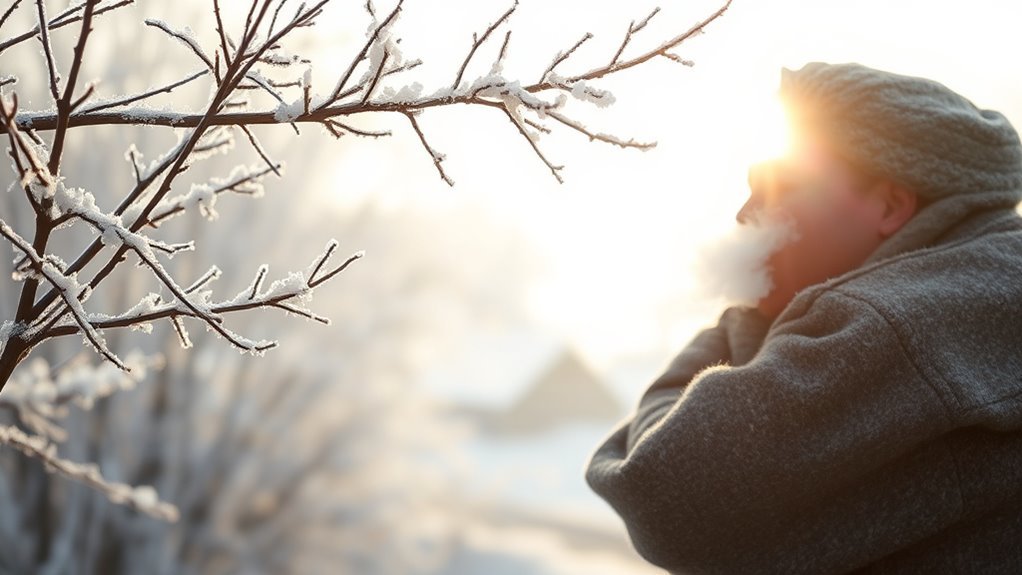
You can’t catch pneumonia just from cold weather, but it can certainly create conditions that make you more susceptible to infections.
The cold, dry air weakens your immune defenses and irritates your respiratory tract, making it easier for infections to take hold.
Plus, the cold air narrows your airways and dries out your mucous membranes, which reduces your protection against the bacteria and viruses that cause pneumonia.
So, staying warm during those chilly months is really important!
Recognizing early symptoms can also help you protect yourself.
Understanding how cold weather impacts your lungs allows you to take proactive steps to stay healthier during winter months.
It’s all about being mindful of your body and its needs in colder temperatures!
How Cold Weather Affects Your Respiratory System
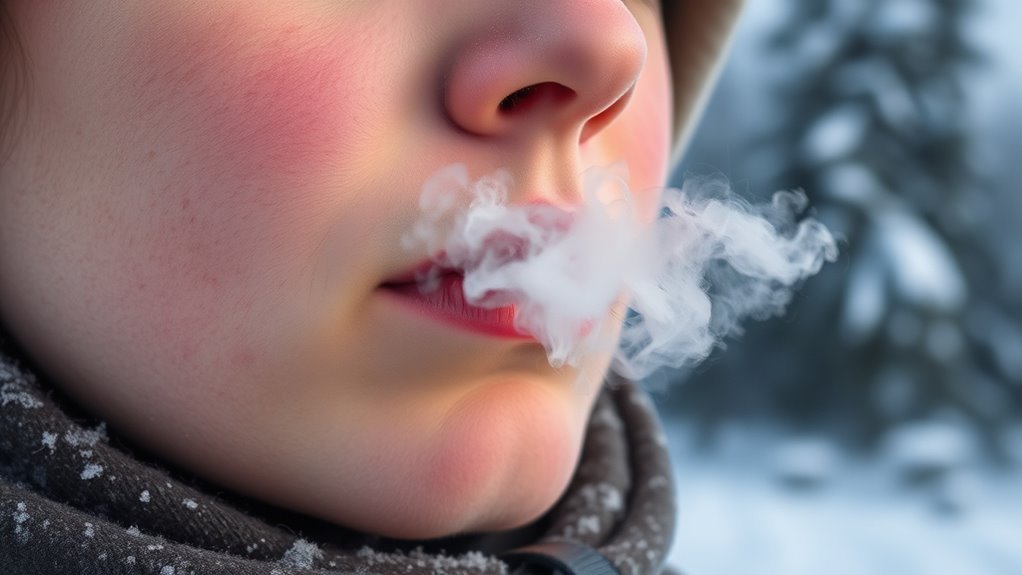
When cold weather hits, your respiratory system faces several challenges that can make breathing tougher and increase your risk of infections.
Cold air causes your airways to constrict, making it harder to breathe and leaving you more vulnerable to respiratory infections.
Cold air narrows your airways, making breathing difficult and increasing infection risk.
The dry winter air irritates the mucous membranes in your nose and throat, which weakens your body’s defenses against harmful pathogens.
On top of that, lower temperatures can suppress your immune system, making it easier for viruses like influenza to take hold in your lungs.
Spending more time indoors in close quarters during cold weather also boosts the spread of germs that cause pneumonia.
All these factors combined mean cold air can markedly increase your chances of developing respiratory conditions, including pneumonia.
Why Cold, Dry Air Increases Pneumonia Risk
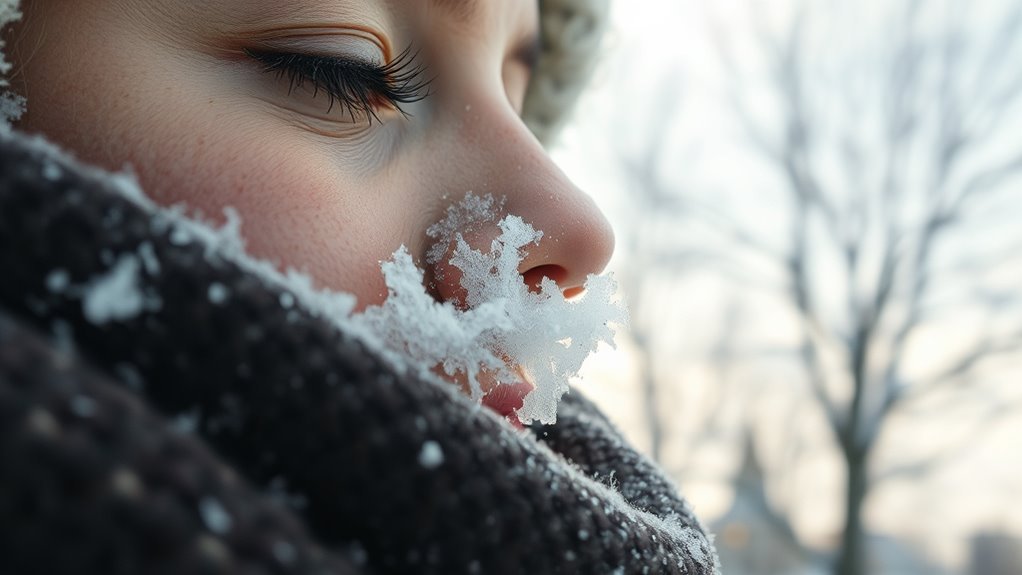
Cold, dry air directly weakens your respiratory defenses, making it easier for harmful pathogens to reach and infect your lungs.
When exposed to dry air, your mucous membranes become irritated and less effective at trapping germs. This vulnerability increases your risk of respiratory infections like pneumonia.
Here’s why cold, dry air raises that risk:
- Dry air dehydrates mucous membranes, reducing their protective barrier.
- Cold temperatures constrict airways, limiting airflow and the clearance of pathogens.
- Your immune system’s response slows down in low humidity, weakening defense.
- Seasonal cold, dry weather correlates with spikes in pneumonia cases.
Understanding these factors helps you protect your respiratory health during colder months.
Common Causes and Transmission of Pneumonia
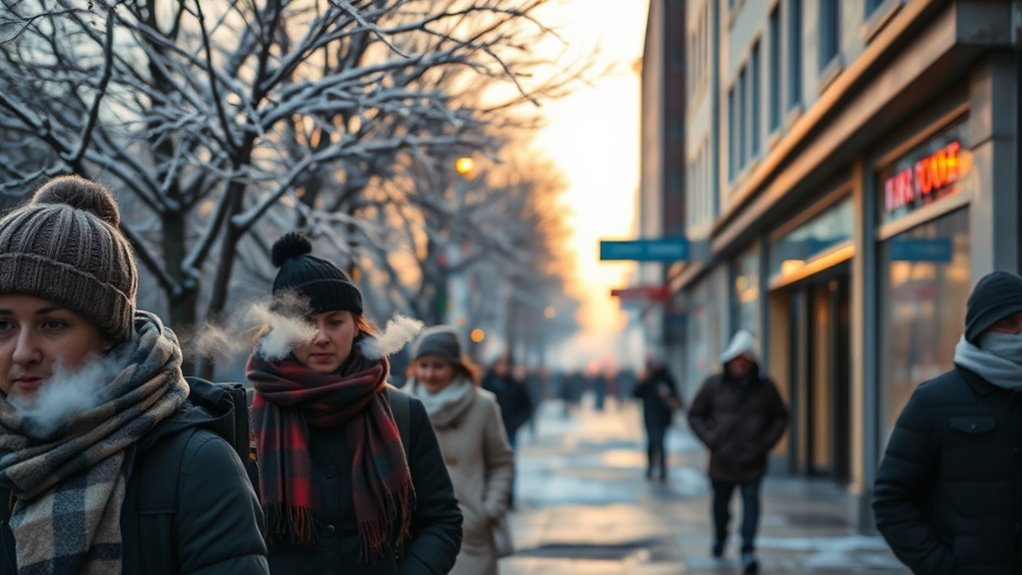
Although pneumonia can arise from various sources, bacteria, viruses, and fungi are the primary culprits that infect your lungs and cause inflammation in the air sacs.
The most common transmission method is through airborne respiratory droplets released when someone coughs, sneezes, or talks.
You can easily catch viral pneumonia, often linked to influenza, especially in crowded indoor winter settings where airborne transmission is rapid.
Bacterial pneumonia also spreads through similar respiratory routes.
Fungal pneumonia, however, isn’t contagious and usually affects people with weakened immune systems.
While cold weather doesn’t directly cause pneumonia, it facilitates the transmission of these pathogens by weakening your immune defenses and encouraging close indoor contact.
Understanding these causes and transmission modes helps you take precautions, like good hygiene and avoiding crowded places, to protect your respiratory health.
Who Is Most Vulnerable to Pneumonia in Winter
Since your immune system tends to weaken during winter, certain groups face a higher risk of pneumonia.
You should be especially cautious if you fall into these categories:
- Children under five and adults over 65, whose weakened immune systems make them vulnerable to respiratory disease and high fever.
- People with chronic conditions like asthma, COPD, or diabetes, as these illnesses increase pneumonia risk in cold weather.
- Individuals with compromised immune systems, such as those undergoing chemotherapy or living with HIV, who are more prone to severe infections.
- Anyone frequently exposed to seasonal indoor crowding, where close contact boosts the spread of pneumonia-causing pathogens.
Understanding who’s most vulnerable helps you take precautions to protect yourself and loved ones during the colder months.
Recognizing Early Symptoms of Pneumonia
Knowing who is most vulnerable to pneumonia helps you stay alert for early warning signs.
Early symptoms often include a persistent cough, high fever, and shortness of breath that worsen over days.
Persistent cough, high fever, and worsening shortness of breath over days are key early pneumonia symptoms to watch for.
Recognizing signs such as chest pain during coughing or deep breaths is essential.
You might also notice fatigue, weakness, or bluish lips and fingertips—these indicate respiratory distress linked to pneumonia symptoms.
In children, irritability, loss of appetite, or trouble feeding can signal early pneumonia symptoms.
Paying close attention to these signs lets you seek medical help promptly, improving your chances of early diagnosis and effective treatment.
Preventive Measures to Protect Your Lungs During Cold Weather
To protect your lungs during cold weather, you should take several proactive steps that reduce your risk of respiratory infections like pneumonia.
Cold air can irritate your respiratory tract, so it’s essential to shield yourself effectively.
- Wear warm clothing and cover your mouth and nose to prevent cold air from causing irritation.
- Use humidifiers indoors to maintain moisture, preventing dry air from damaging your mucous membranes.
- Get vaccinated against flu and pneumococcal bacteria to lower infection risk during winter.
- Practice frequent handwashing and avoid close contact with sick people to stop the spread of germs.
When to Seek Medical Attention for Respiratory Issues
If you notice severe symptoms like shortness of breath, chest pain, or a high fever, don’t wait to see a doctor.
You should seek emergency care immediately if you experience confusion, bluish lips, or extreme fatigue.
Acting swiftly can prevent complications and guarantee you get the right treatment.
Recognizing Severe Symptoms
Although mild respiratory symptoms can often improve on their own, you should seek immediate medical care if you experience difficulty breathing, chest pain, or confusion.
These are serious signs of pneumonia that require urgent care.
Watch for the following severe symptoms:
- Persistent high fever lasting more than a few days.
- Signs of low oxygen, like bluish lips or fingertips.
- Rapid worsening of symptoms, especially severe shortness of breath.
- Extreme exhaustion or inability to stay alert.
Recognizing these symptoms early helps prevent complications and ensures you get timely treatment.
Don’t ignore chest pain or difficulty breathing—these could be signals that your respiratory condition is worsening and needs prompt medical attention.
When to Visit Doctor
When your respiratory symptoms persist or worsen, don’t hesitate to see a doctor.
Knowing when to visit a doctor is vital, especially if you experience shortness of breath, chest pain, or a high fever that won’t ease with over-the-counter remedies.
If you cough up colored mucus for several days or feel chills and fatigue, it’s time to get checked.
People with pre-existing respiratory conditions or weakened immune systems should be even more vigilant and seek medical advice at the first signs of illness.
Early evaluation helps diagnose pneumonia or other infections accurately, allowing for prompt treatment and reducing complications.
Taking timely action protects your health and keeps respiratory issues from escalating into something more serious.
Emergency Respiratory Signs
How do you know if your breathing trouble requires emergency care?
In cold weather, respiratory issues can worsen quickly, especially if pneumonia develops.
You should head to the emergency room immediately if you notice any of these signs:
- Severe shortness of breath, chest pain, or bluish lips—these may signal respiratory failure.
- Confusion, unresponsiveness, or inability to speak due to difficulty breathing or low oxygen levels.
- Persistent high fever, worsening cough, or rapid breathing, particularly if you’re at high risk.
- Sudden dizziness, extreme fatigue, or inability to breathe properly.
Recognizing these emergency respiratory signs early can save your life and prevent serious complications.
Don’t wait—seek urgent medical attention if you experience any of these symptoms during cold weather.
Frequently Asked Questions
What Are the Three Major Causes of Pneumonia?
The three major causes of pneumonia are bacteria, viruses, and fungi.
You’ll often encounter bacterial pneumonia like Streptococcus pneumoniae.
Viral types such as influenza are also common causes.
Fungal forms mostly affect people with weakened immune systems.
Conclusion
Just like a shield protects a knight in battle, taking simple precautions can guard your lungs against pneumonia during cold weather.
You might not get pneumonia directly from the cold itself, but the chilly, dry air can weaken your defenses and make you more vulnerable.
Stay warm, keep your environment humidified, and watch for early symptoms.
If you feel off, don’t hesitate to get medical help—your health deserves attention before things worsen.
In conclusion, while cold weather doesn’t directly cause pneumonia, it can contribute to conditions that make you more susceptible to it.
By staying warm, ensuring proper humidity, and being aware of your health, you can lower your risk.
So, remember to take care of yourself during the colder months, as your lung health is crucial. Don’t wait for symptoms to escalate—seek help early!