Can Paint Dry in Cold Weather?
You can definitely paint in cold weather, but be aware that drying times will slow down significantly due to the lower temperatures.
If it’s below 50°F, don’t be surprised if the paint stays sticky for a longer period of time.
Moisture can also cause imperfections in the finish, which is something to keep in mind.
Water-based paints are especially at risk of damage when the temperatures approach freezing.
It’s a good idea to choose paints that are specifically designed for cold conditions.
Also, make sure that the surfaces you’re painting are dry and warm enough to ensure better adhesion.
Proper preparation and timing are essential to achieving a durable finish when temperatures drop.
With a little extra care, you can still achieve great results, even in cooler weather!
How Cold Temperatures Affect Paint Drying
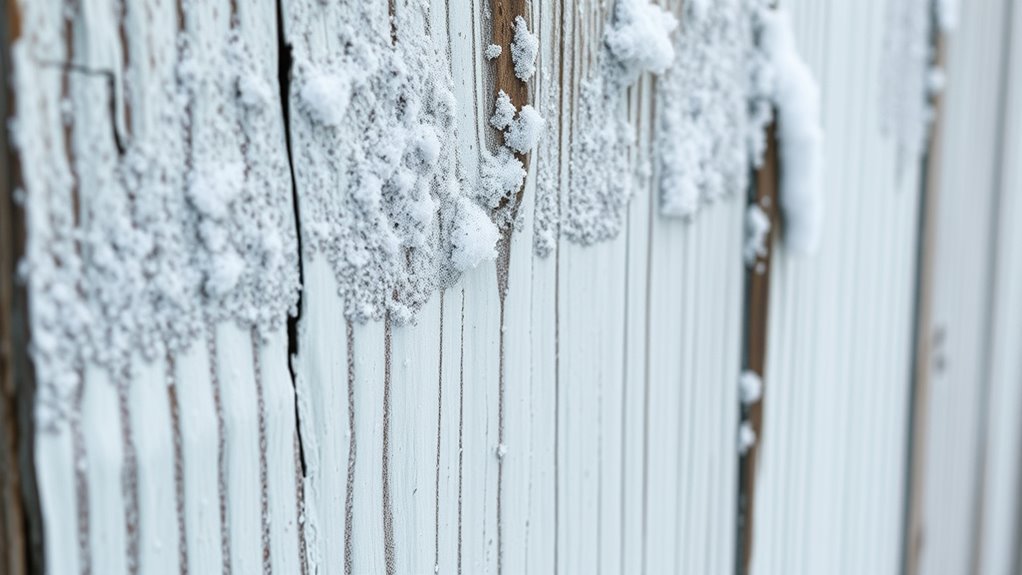
Although you might be enthusiastic to finish your painting project, cold temperatures slow down the evaporation of water and solvents in paint, which delays drying.
When the temperature drops below 50°F, you’ll notice longer drying times and paint that stays sticky or soft much longer than usual.
This happens because low temperatures reduce the chemical reactions needed for paint to cure properly, affecting its durability.
If you’re painting in near-freezing conditions, be aware that water-based paints can solidify or separate, making them unusable.
These temperature-related effects not only slow drying but can also cause surface imperfections, such as runs or uneven textures.
Understanding how cold weather impacts painting helps you plan better and avoid frustrating delays or poor finishes.
Common Challenges When Painting in Cold Weather
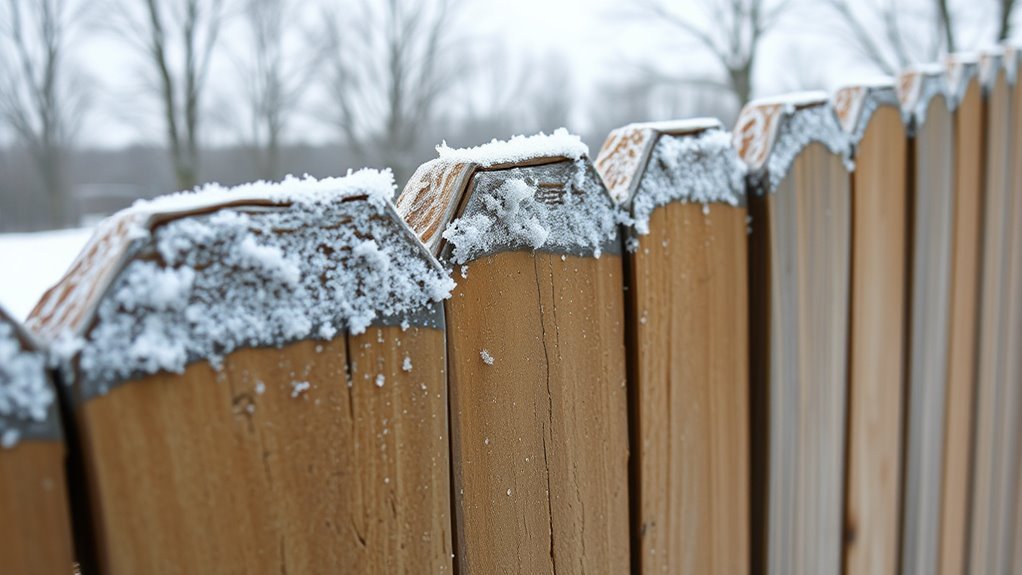
When you paint in cold weather, you’ll face several challenges that can affect your results.
Cold temperatures slow the drying process, causing paint to stay soft or sticky longer.
You risk poor adhesion, which leads to peeling or chipping later.
Additionally, low humidity with cold weather can cause rough, sandpaper-like paint surfaces.
If the temperature drops below freezing, water-based paints can become ruined, compromising the finish entirely.
| Challenge | Effect |
|---|---|
| Slow drying | Longer wait times, soft paint |
| Poor adhesion | Peeling and chipping |
| Freezing temperatures | Ruined water-based paints |
Understanding these challenges helps you prepare better when painting in cold weather for improved results.
Temperature Guidelines for Successful Painting
Since temperature directly affects drying and curing, you need to paint within the right range to get the best results.
For exterior painting, aim for temperatures between 50°F and 90°F to ensure proper paint drying. Water-based paints demand temperatures above 50°F, while oil-based ones can handle down to 40°F.
Cold weather below 50°F slows evaporation, extending drying times and risking surface flaws.
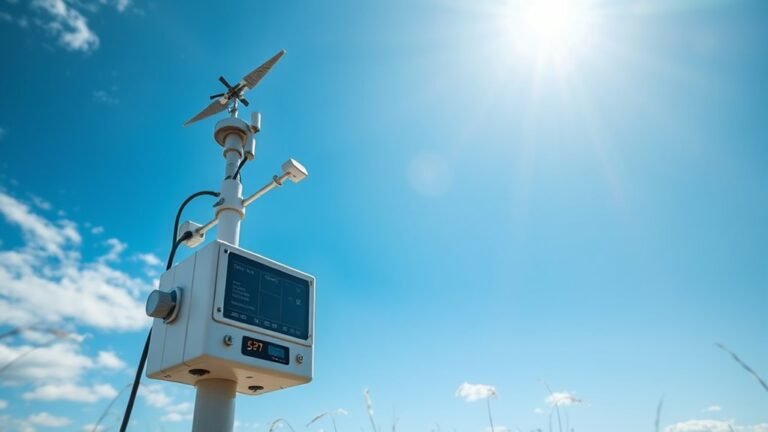
Don’t just rely on air temperature; check the surface temperature with an infrared thermometer, as it could be different and impact paint performance.
Always follow the temperature guidelines in the Product Data Sheet for your paint to avoid problems.
Keeping these temperature factors in mind helps you achieve a smooth, durable finish even in cooler conditions.
Selecting Paints Suitable for Low Temperatures
You’ll want to choose paints specially formulated for cold weather, as they contain agents that help them cure properly at low temperatures.
Make sure to store and handle your paint correctly to maintain its performance, especially in chilly conditions.
Always check the product data sheet to confirm the minimum application temperature before you start.
Paints Formulated for Cold
Although cold weather poses challenges for painting, selecting paints formulated specifically for low temperatures lets you achieve proper adhesion and curing even at 35°F.
Cold weather paints often include special coalescing agents that support film formation despite the chill.
You’ll find oil-based options rated for application down to 40°F or lower, offering reliable performance during colder months.
Water-based paints designed for low temperatures minimize the risk of paint freezing and maintain smooth consistency throughout the application process.
Always check the product’s data sheet to confirm the recommended minimum application temperature to guarantee an effective curing process.
Storage and Handling Tips
Picking the right cold-weather paint is only part of the process—you also need to store and handle it properly to maintain its performance.
Proper storage prevents freezing, which can ruin the paint’s consistency and effectiveness. Always keep your paint in a temperature-controlled space, ideally between 60°F and 75°F, to avoid damage.
When handling paint, follow the manufacturer’s recommended temperature range to ensure ideal results. Avoid using paint that has thawed after freezing, as it may develop lumps or stringy textures.
To support proper paint handling and storage, consider these tips:
- Store paint in sealed, insulated containers or use paint heaters.
- Keep paint above freezing to prevent freezing damage.
- Check the product data sheet for temperature guidelines.
- Avoid using partially frozen or thawed paint to maintain quality.
Preparing Surfaces for Cold Weather Painting
Before you start painting in cold weather, make sure to clean the surface thoroughly with sugar soap and water to remove dirt and grease.
Check that the surface is completely dry and free of moisture, as dampness can ruin your paint job.
Also, monitor the temperature to verify conditions are right for proper adhesion and drying.
Surface Cleaning Essentials
A clean surface is vital for successful cold weather painting because dirt, grease, and debris can prevent paint from sticking properly.
Surface cleaning improves adhesion, especially when cold temperatures increase moisture risks.
Start by removing loose or peeling paint. Then wash the area with a sugar soap and water solution to eliminate contaminants.
Thorough drying is fundamental to avoid trapped moisture, which can freeze and cause paint failure.
- Remove loose paint for better bonding.
- Clean with sugar soap and water.
- Dry surfaces completely before painting.
- Protect nearby areas with tape and coverings.
Moisture and Temperature Checks
Although cold weather poses challenges, you can improve paint adhesion by carefully checking moisture levels and surface temperatures before you start.
First, ensure surface temperatures are at least 50°F. Colder surfaces slow drying times and prevent proper curing.
Use infrared thermometers for accurate temperature checks, as surface temperatures often differ from the air temperature.
Next, confirm the surface is completely dry. Moisture from rain, snow, or humidity can cause paint to peel or fail.
Regularly monitor weather forecasts to avoid painting during or right after precipitation. This increases moisture and extends drying times.
Tools and Techniques for Painting in Cold Conditions
When you paint in cold conditions, using the right tools and techniques makes all the difference in achieving a smooth finish.
Painting in cold weather requires attention to detail to ensure paint dries properly despite cold temperatures.
Here are some tips for painting that help you manage these challenges:
- Use heated or insulated paint blankets to keep paint at ideal temperatures during application.
- Choose brushes with nylon, polyester, or Chinex bristles that handle thicker paint better.
- Employ portable blow heaters or paint heaters to help accelerate drying.
- Mix paints thoroughly and thin slightly with compatible solvents to improve flow.
Managing Drying and Curing Times in Cold Weather
When you paint in cold weather, expect drying times to stretch out considerably.
Lower temperatures slow the curing process, which can leave finishes soft or sticky longer than usual.
Keeping an eye on both ambient and surface temperatures helps you manage these extended drying periods effectively.
Extended Drying Periods
Since cold weather slows evaporation, you can expect paint to take much longer to dry.
Sometimes, this can stretch from hours into days.
Extended drying periods occur because low temperatures interfere with the paint drying and curing process, delaying the chemical reactions that harden the paint.
To manage this, be aware of these key factors:
- Paint drying slows markedly below 50°F, disrupting the curing process.
- Low humidity in cold weather can cause rough textures like dry spray.
- Water-based paints risk freezing below 32°F, halting drying entirely.
- Using heaters or painting during warmer parts of the day helps speed drying.
Temperature Impact on Curing
Although cold temperatures can create challenges, understanding how they affect paint curing helps you manage drying times effectively.
When the temperature drops below 55°F, chemical reactions slow down, which extends drying and curing periods.
If it falls under 32°F, water-based paints risk freeze-thaw cycles that can damage the coating and delay curing.
Surface moisture lingers longer in cold weather, increasing imperfections and hindering proper curing.
| Temperature Range | Impact on Paint Curing |
|---|---|
| Above 55°F | Ideal drying and curing times |
| 32°F to 55°F | Slowed drying, extended curing |
| Below 32°F | Risk of freeze-thaw damage |
To ensure durability and adhesion, keep the temperature above 50°F during drying and curing.
Environmental Factors Impacting Paint Performance
Because cold weather slows moisture evaporation, you’ll notice paint takes much longer to dry when temperatures drop below 50°F.
Cold weather slows moisture evaporation, making paint take longer to dry below 50°F.
Several environmental factors influence how well your paint performs in these conditions.
Temperature directly affects the curing process, causing paint to stay soft or sticky if it’s too cold.
Humidity swings can create rough textures or dry spray, compromising the finish.
Freezing temperatures are particularly harmful to water-based paints, potentially ruining their integrity.
To guarantee your paint cures properly and lasts, you need to monitor and manage these factors carefully.
- Low temperature slows curing and drying times.
- High humidity causes poor finish quality.
- Freezing damages water-based paints.
- Maintaining temps above 40°F improves performance.
Tips to Prevent Common Cold Weather Painting Issues
When painting in cold weather, you’ll want to take specific steps to guarantee your project turns out well despite the challenging conditions.
First, always check the paint’s minimum temperature requirement. Most water-based paints need to be above 40°F for proper drying and adhesion.
Use heated or covered spaces like tents or garages to maintain a consistent temperature.
Plan your painting during the warmest hours, typically mid-morning to early afternoon, to boost drying times.
Choose paints formulated for cold weather, such as oil-based or special low-temperature latex. These options improve adhesion and curing.
Finally, protect surfaces from moisture and low humidity, since these can cause rough finishes or prevent proper drying.
Following these tips helps you avoid common cold weather painting issues and achieve a durable, smooth finish.
Best Practices for Storing Paint During Winter
After taking steps to paint successfully in cold weather, you’ll want to focus on how you store your paint during the winter months.
Proper storage is essential to prevent freezing and preserve paint quality despite harsh climate conditions.
Keep your paint in a climate-controlled space where the temperature stays consistently above 50°F.
Water-based paints especially need to stay above 40°F to avoid thickening or spoilage.
Now, let’s look at some best practices for winter paint storage:
- Store paint in airtight containers with tightly sealed lids to prevent moisture and temperature swings.
- Avoid unheated garages, sheds, or outdoor units where freezing can occur overnight.
- Use insulated or heated storage areas to maintain a stable temperature.
- Regularly monitor storage temperature to protect your paint investment during the cold months.
Taking these steps will help ensure your paint stays in great condition all winter long!
Frequently Asked Questions
Will Paint Cure at 40 Degrees?
You won’t get proper curing at 40 degrees since the chemical reactions slow down.
Your paint may dry slowly or remain sticky, risking durability.
It’s best to wait for temperatures above 50 degrees for good results.
Can I Paint in 30 Degree Weather?
Painting in 30-degree weather is like trying to bake a cake in a freezer—you’ll struggle.
You can’t paint effectively; the cold slows drying, risks freezing, and ruins paint.
Wait for warmer days or use special formulas.
Will Paint Dry at 3 Degrees?
No, paint won’t dry properly at 3 degrees.
You’ll find water-based paints freeze and become unusable, while oil-based paints dry very slowly with poor adhesion.
It’s best to wait for warmer temperatures before painting.
Does Paint Dry Quicker in the Winter?
You won’t see paint dry quicker in winter.
You won’t see paint cure faster in winter, and you won’t see paint harden sooner in winter.
Cold slows drying, so you’ll need more patience and care.
Conclusion
Painting in cold weather is like trying to race through a winter storm—you need patience and the right tools to cross the finish line.
When you choose paints made for chilly temps and prepare your surfaces carefully, you turn frostbite into a gentle breeze.
Remember, slow and steady wins the race; give your paint extra time to dry and cure.
With these tips, your project will shine bright, even when the cold tries to dull your colors.
In conclusion, painting in cold weather can be challenging, but it’s definitely doable! By selecting appropriate paints for low temperatures and allowing for longer drying times, you can achieve great results.
So, embrace the winter chill and let your creativity shine through, ensuring your paint job stands out despite the cold!