What Causes Power Outages During Cold Weather?
You face power outages during cold weather mainly because ice, snow, and wind physically damage power lines and equipment by adding weight or causing breakage.
Trees weakened by the cold snap can fall onto lines, disrupting service.
Extreme cold makes electrical parts brittle and harder to operate, while the added heating demand strains the grid.
Aging infrastructure often can’t handle this stress, leading to longer outages.
Understanding these causes helps you better prepare and respond when winter strikes.
By being aware of how weather impacts power systems, you can take proactive steps to ensure you and your loved ones stay safe and warm.
So, when that chilly season rolls around, keep these factors in mind to navigate potential outages more effectively.
Impact of Ice and Snow on Power Lines
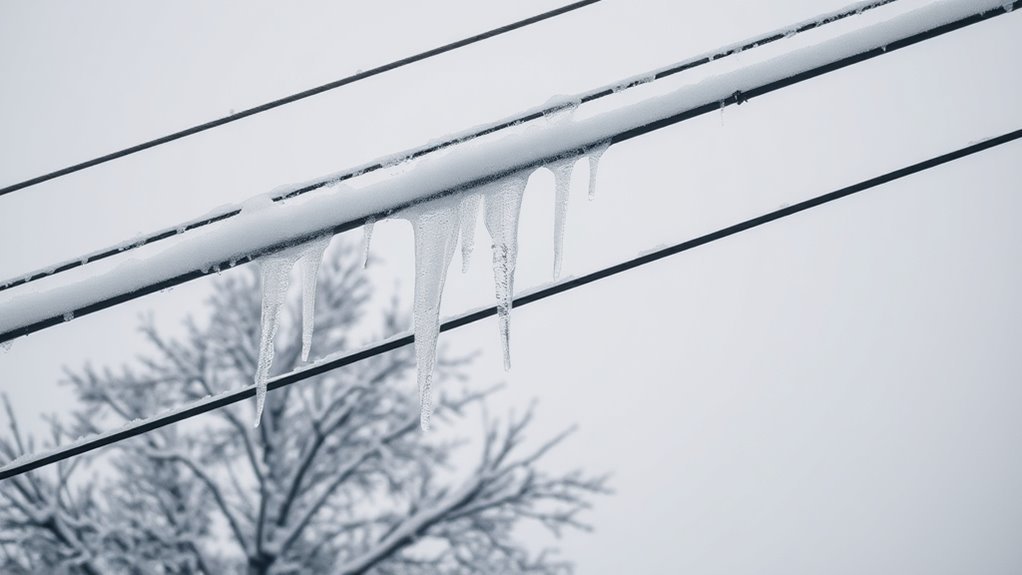
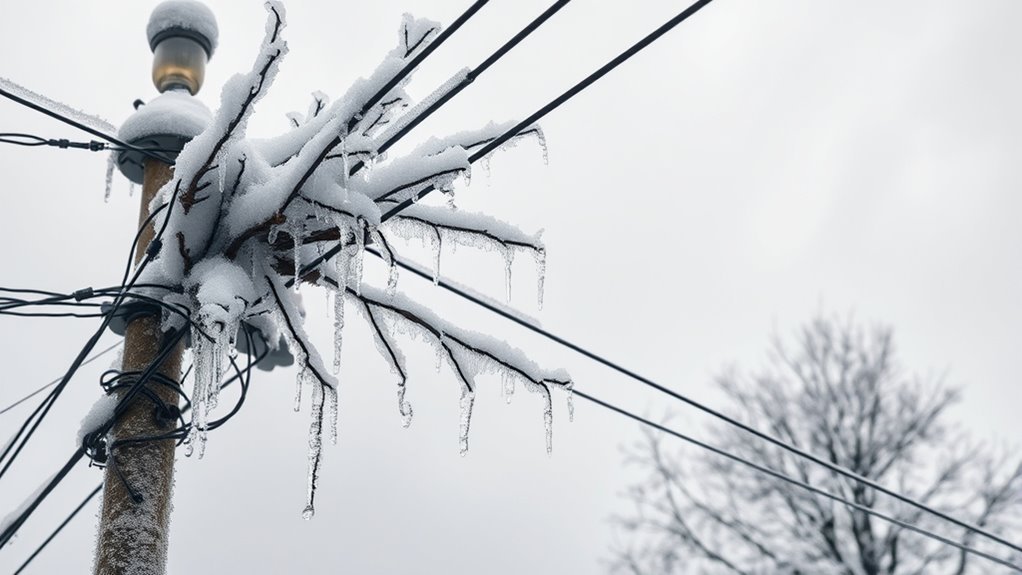
When ice and snow build up on power lines and tree branches, they add significant weight that can cause them to snap, leading to outages.
You’ll notice that the extra load from ice buildup stresses utility poles and transmission towers, sometimes causing them to collapse or sustain damage.
This added weight makes power lines sag or even break, which interrupts electricity flow to your home or neighborhood.
Ice accumulation doesn’t just affect overhead lines; underground power lines can also suffer damage from the stress ice creates.
Plus, when wind dislodges ice from trees or power lines, falling chunks can strike the infrastructure, causing additional damage.
Understanding how ice and snow impact power lines helps you appreciate why cold weather often brings power disruptions.
Effects of High Winds on Electrical Infrastructure
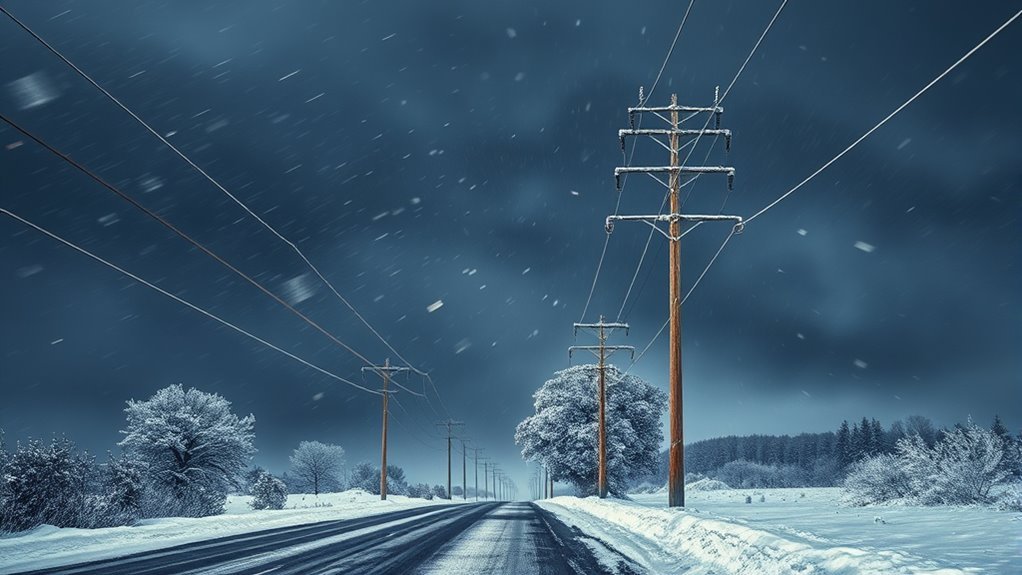
Although you might not always see it, high winds can wreak havoc on electrical infrastructure by physically damaging power lines, poles, and transformers.
During winter weather, these gusts can dislodge ice and debris, increasing the risk of downed power lines and damaged equipment.
Fallen tree limbs or entire trees blown by gale-force winds often cause immediate service disruptions.
Vibrating wires can create electrical faults, further leading to outages.
| Cause | Impact |
|---|---|
| High winds | Downed power lines |
| Wind-driven debris | Damaged equipment |
| Vibrating wires | Electrical faults causing outages |
Understanding these effects helps you appreciate how high winds contribute to power outages in cold conditions.
Equipment Malfunctions in Extreme Cold
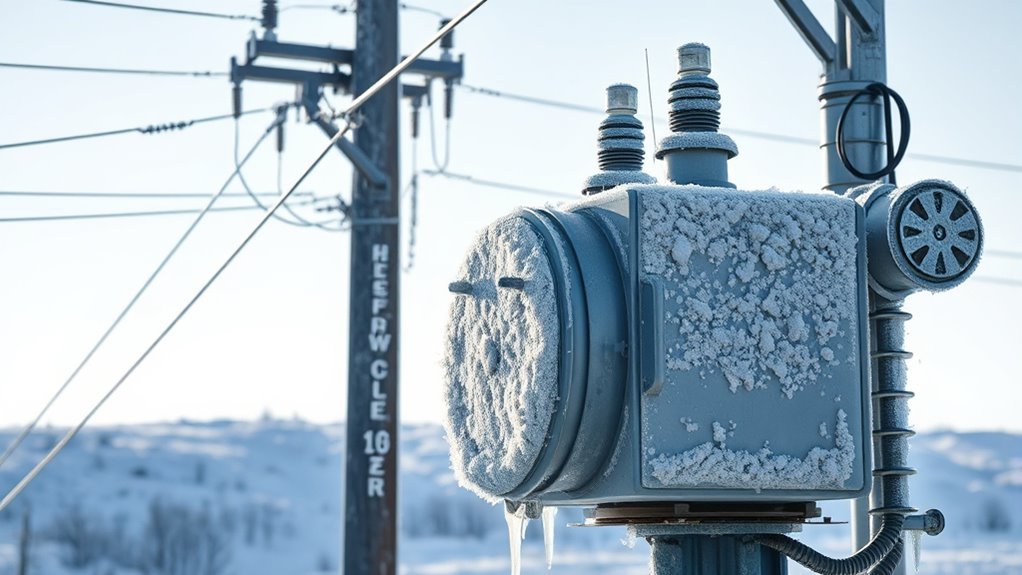
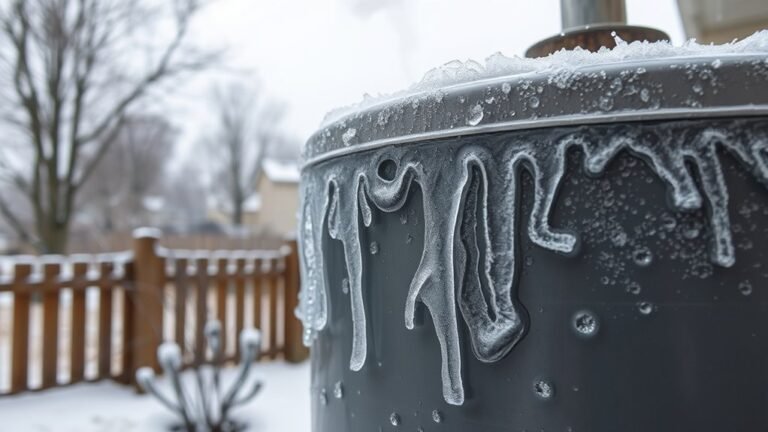
High winds can damage power lines and equipment, but extreme cold adds another layer of challenges by causing electrical components to become brittle and more prone to failure.
In freezing conditions, transformers and insulators face increased stress as metal parts contract, leading to cracks and equipment malfunctions.
Lubricants and cooling fluids inside these devices can thicken or solidify, impairing their function.
You might notice that snow and ice buildup adds weight, risking physical damage or misalignment of critical components.
Additionally, low temperatures reduce the efficiency and capacity of power generation and transmission equipment, making failures more likely.
When equipment malfunctions in extreme cold, it disrupts the power supply, causing outages that can affect communities until repairs restore normal operation.
Tree Damage and Falling Branches
You’ll notice that strong winds during winter storms can snap or uproot trees weakened by ice and cold.
Ice buildup adds extra weight to branches, making them more likely to break and fall.
Both factors considerably increase the risk of trees damaging power lines and causing outages.
Wind Effects on Trees
When strong winds blow during cold weather, they can snap frozen, brittle branches or even topple entire trees onto power lines, causing outages.
You’ll find that wind gusts loosen trees weakened by ice on their roots, increasing the chances of storm damage.
These fallen trees and broken branches disrupt power lines, leading to localized power outages during winter storms.
| Wind Effects on Trees | Impact on Power Infrastructure |
|---|---|
| Snapping branches | Interrupts power lines |
| Toppling entire trees | Damages poles and wires |
| Displacing root ice | Weakens tree stability |
| Gust force | Loosens trees near utilities |
| Storm damage | Causes power outages in winter |
Understanding these wind effects helps you prepare for potential outages.
Ice Weight on Branches
Strong winds can snap brittle branches, but the weight of ice and snow often plays an even bigger role in causing tree damage during cold weather.
You’ll notice that ice buildup along tree limbs makes them heavy and brittle, increasing the chance they’ll break under pressure.
When branches fall, they can easily damage nearby power lines, leading to power outages in your neighborhood.
Winter storms often bring significant ice accumulation, adding so much weight that entire trees or large limbs can dislodge and crash onto power infrastructure.
Fallen branches and tree damage from this ice load are common causes of localized power outages during cold weather.
Being aware of this helps you understand why power disruptions happen more frequently during harsh winter storms.
Increased Electrical Demand During Winter
When winter hits, you’ll likely crank up electric heaters and heat pumps, which pushes energy use way up.
This peak demand can overload the power grid, putting your electricity at risk.
Utilities may have to trigger outages or warnings to keep the system from failing under pressure.
Heating Device Usage
Because you rely heavily on electric heaters and heat pumps during cold weather, the electrical demand spikes sharply in winter months.
This heating device usage causes a significant surge in energy consumption, especially during extreme cold spells.
As more people turn up their heaters to stay warm, the power grid faces increased stress, raising the risk of power outages.
Utility companies often struggle to keep up with these heightened demands during prolonged winter weather, which can overload infrastructure and lead to equipment failures.
These failures disrupt electricity supply, causing rolling blackouts or complete outages.
Understanding how your heating device usage impacts the grid helps explain why cold weather often brings power interruptions, highlighting the challenges utilities face in maintaining reliable service during peak winter heating periods.
Peak Energy Consumption
Each winter, millions of households and businesses ramp up their use of electric heaters and heat pumps, driving up energy demand sharply.
This surge creates a peak load on the electrical grid as heating systems run continuously during cold spells.
You’ll notice that when everyone switches on multiple devices at once, electrical demand spikes, pushing power lines and transformers to their limits.
These components must handle the increased current, which can strain their capacity.
If the peak load exceeds what the infrastructure can support, it risks equipment failure.
Understanding how this increased consumption stresses the grid is key to recognizing why cold weather often leads to power outages.
Managing peak energy consumption helps maintain grid stability and prevents widespread disruptions during winter months.
Grid Overload Risks
Although winter’s chill drives you to crank up heaters and heat pumps, this surge in electricity use pushes the grid dangerously close to overload.
During cold temperatures, electricity demand can spike by 20-30%, straining generation and distribution systems.
This grid overload raises the risk of power outages, especially during extreme weather when reserves are limited.
Utilities may respond with rolling blackouts or load shedding to prevent total system failure.
High demand also causes equipment to overheat and trip offline, further reducing power capacity.
When the increased winter energy use meets limited reserve margins, the grid becomes vulnerable.
Understanding these grid overload risks helps explain why cold snaps often bring widespread power outages.
After all, it impacts your comfort and safety during harsh winter conditions.
Challenges With Aging Power Systems
When temperatures plunge, aging power systems really struggle to keep up with the increased mechanical stresses caused by freezing conditions.
You’ll find that aging power infrastructure, with worn transformers and brittle lines, faces heightened risks of equipment failure.
These older components weren’t built with modern cold-weather resilience, making them vulnerable to cracks and breaks.
This leads to outages that require longer outage repair times, as maintenance teams deal with the challenges of outdated systems.
| Challenge | Impact |
|---|---|
| Aging infrastructure | More prone to failure in cold |
| Equipment brittleness | Increased cracking and breaking |
| Lack of resilience | Vulnerable to ice and freezing |
| Delayed repairs | Prolonged outages during storms |
| Outage repair difficulty | Slower restoration times |
Understanding these challenges helps you see why upgrading systems is essential.
Frequently Asked Questions
Why Does the Power Go Out When It’s Cold?
Power goes out when it’s cold because ice and snow weigh down power lines, causing them to snap.
Cold makes wires brittle, and freezing conditions damage poles and equipment. This leads to failures that interrupt your electricity supply.
Can the Power Go Out Because It’s Too Cold?
Yes, the power can go out because it’s too cold.
Cold temperatures make equipment brittle and can lead to ice buildup on lines.
This increase in mechanical stress can damage the grid, which may result in outages that you experience.
Why Does the Power Go Out When It Freezes?
The power goes out when it freezes because ice builds up on lines and trees, causing them to break or collapse.
Cold also stiffens wires and equipment, making them more vulnerable to damage and failures during freezing conditions.
What Should I Do if My Power Goes Out in the Winter?
What’s your first move when the power goes out in winter?
Check your power company’s updates.
Use flashlights instead of candles to avoid fire hazards.
Keep fridge doors closed to maintain food safety.
Bundle up to stay warm while you wait for the power to come back on.
And remember, avoid downed lines, reporting any hazards immediately.
Conclusion
When cold weather strikes, power outages can feel like the sky itself is tearing down your electricity.
Ice and snow weigh heavily on power lines, while high winds and falling branches add to the chaos.
Equipment struggles in the freezing cold, and aging systems groan under increased demand.
Understanding these causes helps you prepare, so you’re not left in the dark when winter’s fury hits.
Stay ready, because the cold won’t wait for anyone.
—
In summary, cold weather can lead to power outages due to ice accumulation, strong winds, and the strain on aging infrastructure.
Being aware of these factors is crucial for preparation.
This knowledge empowers you to take proactive steps, ensuring you have a plan in place before winter strikes.
Remember, when the temperatures drop, the risk of outages rises. Stay informed and ready to face the challenges that come with the cold!