What Causes Headaches in Cold Weather?
You get headaches in cold weather for several reasons. Cold temperatures cause your blood vessels to constrict, which reduces blood flow and can trigger pain.
Additionally, dry indoor air and changes in barometric pressure can lead to sinus pressure, inflammation, and congestion. This often results in sinus headaches, which are quite common during the winter months.
On top of that, the cold weather can cause muscle tension in your neck and shoulders, adding to your discomfort.
It’s also worth noting that holiday stress and disrupted routines can worsen headache symptoms.
Understanding these factors is crucial in recognizing why headaches appear more frequently in winter and how to manage them effectively.
How Cold Temperatures Affect Blood Vessels
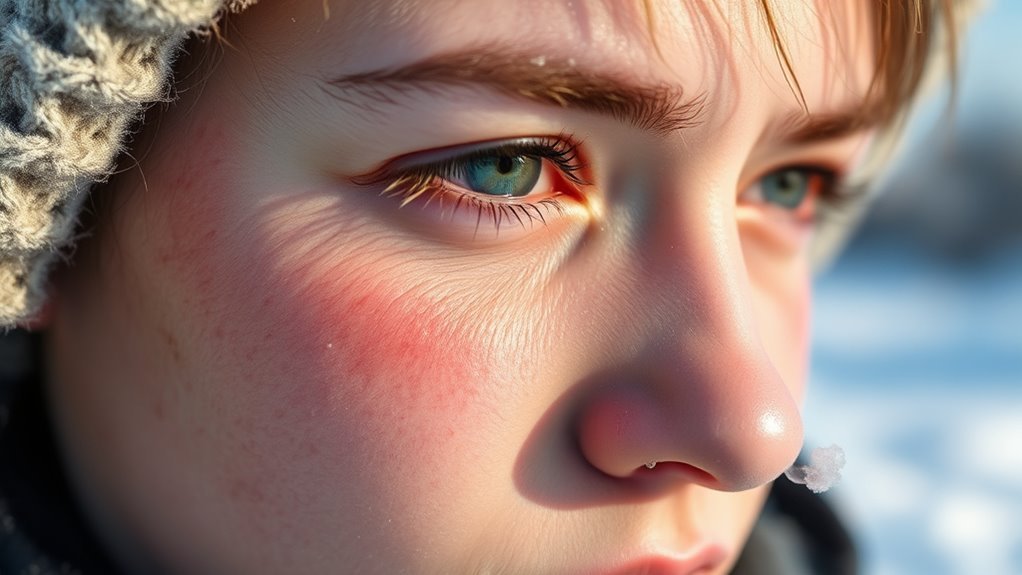
When cold temperatures hit, your blood vessels, especially those in your head and neck, constrict to conserve heat.
Cold temperatures cause your head and neck blood vessels to constrict, helping conserve body heat.
This narrowing, known as vasoconstriction, reduces blood flow, which can trigger headaches in people sensitive to these changes.
As blood vessels tighten, vascular resistance increases, causing elevated intracranial pressure.
This rise in pressure often leads to tension headaches.
You might notice that moving from cold outdoor air into a warm space causes sudden vasodilation.
This creates fluctuations in blood flow that can worsen headache symptoms.
Understanding how cold temperatures affect blood vessels is key because these physiological changes directly contribute to the onset of cold-induced headaches.
Managing exposure to abrupt temperature shifts can help minimize these vascular responses and reduce headache frequency and intensity.
The Role of Barometric Pressure Changes in Headaches
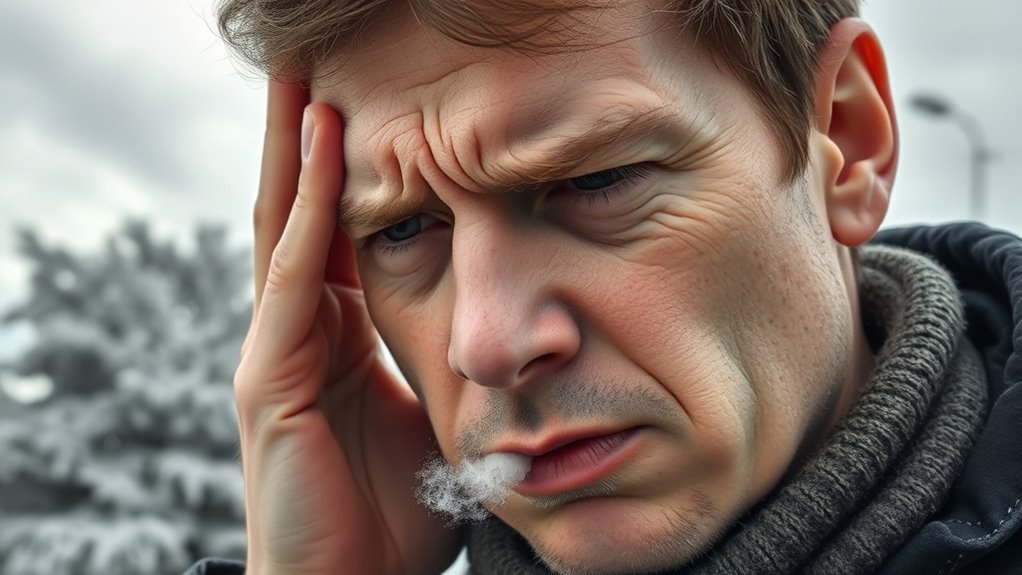
You might notice your headaches worsen when the weather changes, and barometric pressure shifts play a big role in this.
These fluctuations cause your sinus cavities to expand or contract, putting extra pressure on sensitive areas in your head.
Understanding how these pressure changes affect you can help explain why cold weather often brings on headache pain.
Sinus Cavity Expansion
Although barometric pressure changes might go unnoticed, they play a crucial role in triggering sinus headaches during cold weather.
When atmospheric pressure drops, especially during sudden weather fluctuations like cold fronts, your sinus cavities expand.
This expansion increases pressure inside these cavities, which can compress surrounding tissues and cause sinus pain.
As a result, you may feel facial tenderness and pressure around your eyes.
These pressure changes directly affect the size and tension within your sinus cavities, leading to the onset of sinus headaches.
Understanding how barometric pressure influences sinus cavity expansion helps explain why cold weather often worsens sinus-related discomfort.
Pressure Fluctuation Effects
Since barometric pressure drops before storms, your sinus cavities expand, increasing head pain or pressure.
These pressure fluctuations play a vital role in triggering headaches during weather changes.
When atmospheric pressure falls suddenly, it affects the size and pressure within your sinus cavities, often leading to sinus pain and discomfort.
This drop in barometric pressure also heightens sensitivity in your head and sinus tissues, making you more prone to headache triggers.
Additionally, rapid shifts in atmospheric pressure influence blood vessels in your head, which can cause tension or migraine headaches.
Understanding how pressure drops affect your body helps explain why headaches often worsen in cold weather.
Impact of Dry Indoor Air on Nasal Passages and Sinuses
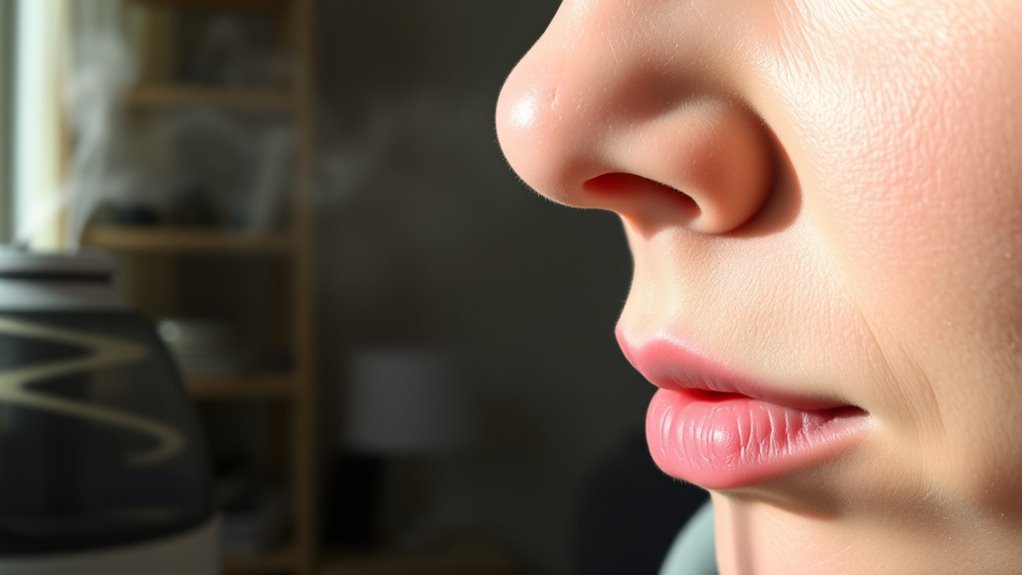
When heating systems run during cold weather, they dry out the indoor air. This can leave your nasal passages and sinuses dehydrated.
This dehydration affects your mucous membranes, causing inflammation and swelling.
As a result, you may experience increased sinus congestion and pressure, leading to sinus headaches.
Here’s how dry indoor air impacts you:
- Reduced humidity levels cause dehydration of nasal tissues and mucous membranes.
- Inflamed nasal passages increase sinus congestion and pressure.
- Impaired mucociliary function slows mucus and bacteria clearance from sinuses.
- Nasal irritation and cracks worsen inflammation, raising sinus infection risks.
Differences Between Sinus Headaches and Migraines in Winter
Dry indoor air can trigger sinus headaches by causing inflammation and congestion.
Dry indoor air often leads to sinus headaches through inflammation and nasal congestion.
But not all winter headaches stem from sinus issues.
Sinus headaches often result from sinus congestion linked to indoor heating and changes in barometric pressure during cold weather.
You’ll notice facial pressure and pain that worsens when you bend forward or lie down.
Migraines, on the other hand, are neurological and can be triggered by dehydration, stress, and weather fluctuations.
They usually cause throbbing pain on one side, sensitivity to light or sound, and sometimes nausea.
Unlike sinus headaches, migraines don’t typically change with head position.
Recognizing these headache symptoms helps you identify the right headache triggers and seek appropriate treatment during winter’s cold conditions.
Muscle Tension and Its Connection to Cold Weather Headaches
Although cold weather often feels invigorating, it can cause your neck and shoulder muscles to tense up as your body tries to conserve heat.
This muscle tension plays a key role in cold weather headaches. When your neck muscles tighten, they compress nerves and blood vessels, triggering headache pain.
Additionally, vasoconstriction reduces circulation, causing muscle stiffness and worsening discomfort.
Shivering also strains your neck muscles, increasing muscle tightness.
To reduce headache pain linked to muscle tension in cold weather, focus on:
- Keeping warm to prevent muscle stiffness.
- Avoiding prolonged exposure to cold.
- Practicing gentle neck and shoulder stretches.
- Maintaining good posture to reduce strain.
Effects of Reduced Sunlight and Seasonal Changes on Headache Frequency
Since winter brings shorter daylight hours, you might notice more frequent headaches or migraines during this season.
Reduced sunlight disrupts your circadian rhythms, throwing off your sleep patterns and increasing headache frequency.
Lower serotonin levels caused by less sunlight exposure can make you more susceptible to migraines and tension headaches.
You may also experience symptoms of Seasonal Affective Disorder (SAD), which often includes headaches linked to these seasonal changes.
Seasonal Affective Disorder (SAD) can bring headaches as part of the seasonal shifts affecting your mood and health.
The winter months can elevate your stress levels as well, further triggering headaches.
All these factors—altered circadian rhythms, decreased serotonin, disturbed sleep, and increased stress—combine to make headaches more common when sunlight is scarce.
Understanding this connection can help you manage your symptoms better during the darker, colder months.
Influence of Holiday Stress and Routine Disruptions on Headaches
You’ll often notice that holiday stress from travel, family, and finances can trigger headaches.
When your routine shifts—like irregular sleep or changes in meals—it can make headaches worse.
Managing these stressors and keeping a steady routine can help reduce your headache risk during the season.
Holiday Stress Impact
When the holiday season arrives, your stress levels often spike due to travel, family obligations, and financial pressures.
All of these can trigger tension headaches and migraines.
Holiday stress leads to muscle tension and emotional stress, both of which worsen headache pain.
You might also experience irregular sleep and dietary changes, causing blood sugar fluctuations and dehydration.
These factors combine to increase headache risk.
To manage holiday stress impact, focus on:
- Maintaining consistent sleep patterns.
- Eating balanced meals to avoid blood sugar dips.
- Staying hydrated despite festive drinks.
- Incorporating physical activity to reduce muscle tension.
Routine Changes Effects
Although holiday stress plays a major role in triggering headaches, disruptions to your daily routine can amplify their frequency and intensity.
During the holiday season, routine changes like irregular sleep and diet fluctuations often occur, making you more vulnerable to headache triggers.
Skipping meals or overeating can cause blood sugar imbalances, while increased caffeine and alcohol intake may lead to dehydration.
Both of these factors can worsen headache symptoms.
These routine disruptions, combined with holiday stress from travel, family gatherings, and financial pressures, create a perfect storm for tension headaches and migraines.
To minimize headaches, try maintaining a consistent sleep schedule, eat balanced meals, stay hydrated, and manage stress.
Being mindful of how routine changes affect your body can help you reduce the impact of headaches during the holiday season.
Preventative Measures to Reduce Cold Weather Headaches
Since cold weather often triggers headaches by drying out your sinuses and constricting blood vessels, taking proactive steps can substantially reduce your discomfort.
To focus on headache prevention, consider these key measures:
- Use a humidifier indoors to boost indoor moisture, preventing sinus dryness and reducing sinus pressure.
- Stay hydrated to counteract dehydration caused by dry air and cold, supporting healthy blood vessels.
- Perform a nasal rinse regularly to clear congestion and ease sinus pressure.
- Wear warm clothing, especially hats and scarves, to keep blood vessels from constricting during weather changes.
When to Seek Medical Advice for Winter-Related Headaches
If your winter headaches become severe, frequent, or start interfering with your daily routine, you should seek medical advice promptly.
When headaches in cold weather occur more than three times a week or need frequent pain medication, it’s essential to consult a healthcare professional.
Persistent headaches or worsening symptoms, especially if accompanied by new neurological signs or if they wake you from sleep, require immediate evaluation.
Older adults should be particularly cautious and seek medical advice for unusual or frequent headaches due to higher health risks.
Keeping a headache diary can help track your symptoms and triggers, providing valuable information for your healthcare provider.
This approach guarantees accurate diagnosis and tailored treatment to manage your winter-related headaches effectively.
Frequently Asked Questions
How to Get Rid of a Headache From Cold Weather?
You can get rid of a cold-weather headache by applying warm compresses, staying hydrated, and wearing hats and scarves.
Taking pain relievers can also help alleviate the discomfort.
Additionally, practicing relaxation techniques like deep breathing can ease muscle tension and improve circulation quickly.
Is It Common to Get Headaches When It’s Cold?
When it rains, it pours—you’ll often get headaches in cold weather.
Your blood vessels tighten, and dryness sneaks in, making headaches pretty common.
Stay hydrated and warm to keep those winter pains at bay.
Conclusion
Cold weather might seem invigorating, but it can tighten your blood vessels and dry out your sinuses, triggering headaches.
While the chilly air and changing barometric pressure work against you, factors like holiday stress and less sunlight add to the mix.
Yet, with simple preventative steps, you can keep headaches at bay and enjoy winter’s beauty.
Don’t let the cold control you—take charge before those aches take over your days.
In conclusion, headaches in cold weather can stem from various factors, including constricted blood vessels, dry air, and seasonal stressors.
To combat these winter headaches, stay hydrated, manage stress, and protect yourself from the cold.
By being proactive and aware, you can enjoy the wonders of winter without letting headaches disrupt your days.
Take control of your well-being this season and embrace the beauty of winter headache-free!