How Cold Weather Can Affect Your Hot Water Heater
Cold weather can significantly impact your hot water heater’s performance. When the temperatures drop, your heater must work harder to warm up colder incoming water.
This added strain can lead to increased heat loss, especially if your tank and pipes aren’t well-insulated.
Freezing temperatures can also cause pipes to burst, which is a costly problem to fix.
Additionally, sediment buildup may occur, lowering your heater’s efficiency and potentially damaging its components.
You might start to notice unusual noises, leaks, or fluctuating water temperatures as signs of distress.
Understanding how to protect your hot water heater and recognizing when to call a professional can help ensure your system remains reliable, even during winter’s chill.
Taking proactive steps can save you from unexpected issues and costly repairs down the line.
The Impact of Freezing Temperatures on Water Heater Performance
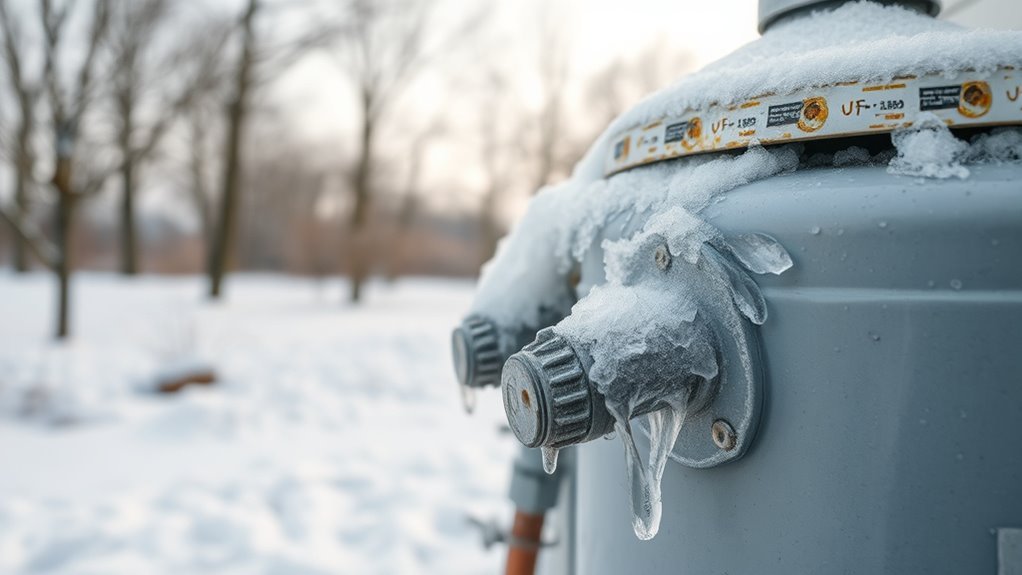
When freezing temperatures set in, your water heater has to work much harder to keep water hot.
This can strain the system and increase the risk of damage.
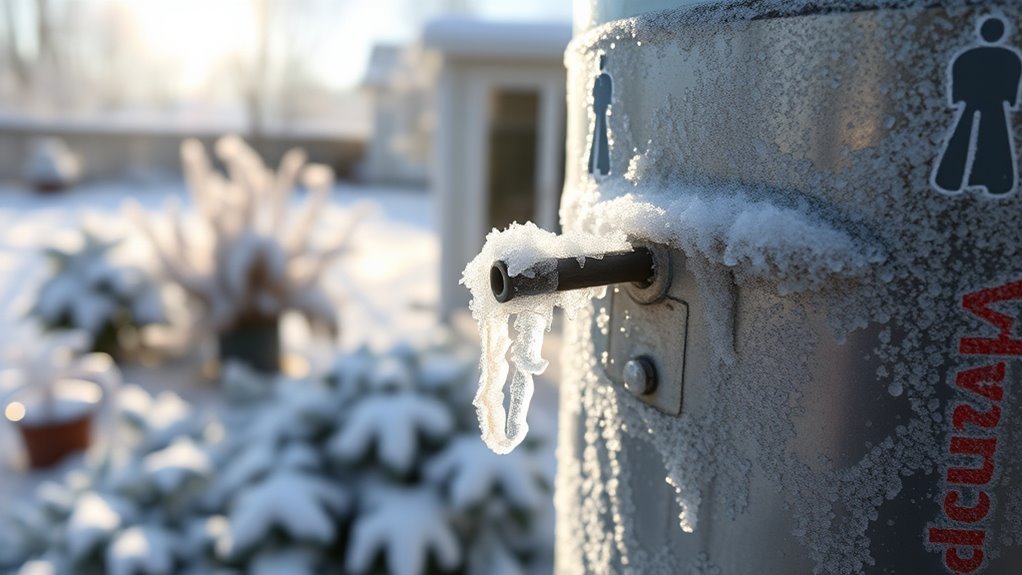
Cold conditions can cause water inside both the heater tank and pipes to freeze.
If not addressed, this can lead to burst damage.
Insufficient insulation around your water heater and exposed pipes worsens heat loss.
This makes it easier for freezing temperatures to cause problems.
Sediment buildup inside the tank also plays a role.
It insulates the water, reduces heat transfer, and forces your heater to work even harder.
To protect your system, ensure proper insulation for both the heater and pipes.
Also, make it a habit to regularly flush out sediment buildup.
Taking these steps helps maintain efficient operation and prevents costly damage during freezing weather.
How Cold Weather Increases Energy Consumption
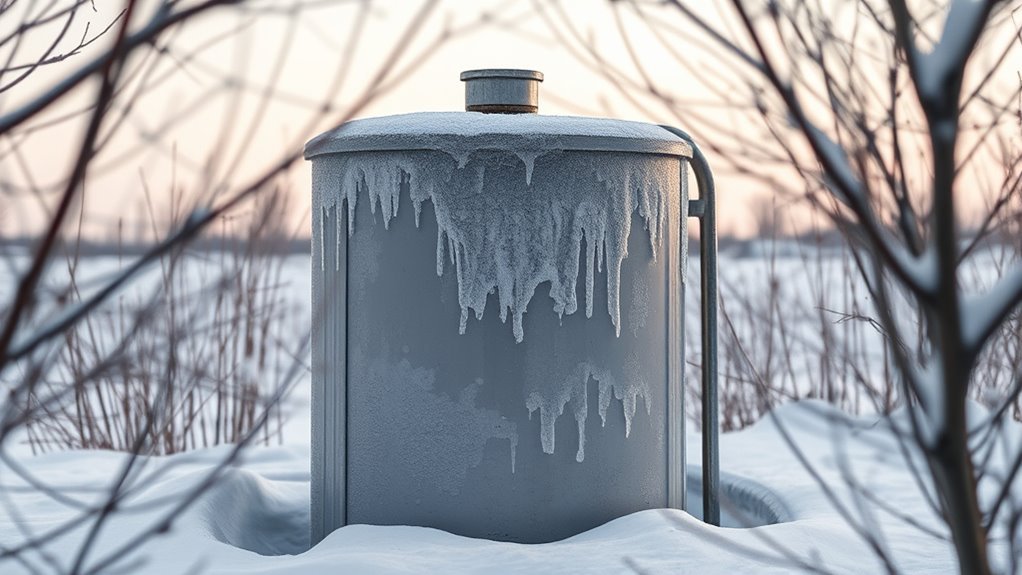
When cold weather hits, your water heater has to work harder to warm up the chilly incoming water and keep it at the right temperature.
You’ll notice it runs longer because heat escapes more easily from the tank and pipes, especially if they’re not well insulated.
This extra effort means your energy use goes up, and so do your bills.
Increased Heating Demand
Because cold weather lowers the temperature of incoming water by 10°F or more, your water heater has to work harder to reach its set temperature.
This temperature drop increases heating demand, causing your hot water heater to run longer and boost energy consumption.
As cold weather reduces heater efficiency, more energy is required to maintain the desired water temperature.
This strain not only hikes your energy bills by 20-30% but also accelerates wear and tear on the system.
| Factor | Impact |
|---|---|
| Temperature Drop | Increased energy needed to heat water |
| Heating Demand | Longer operation times |
| Heater Efficiency | Reduced in cold ambient conditions |
Understanding these impacts helps you manage your hot water heater better during chilly months.
Heat Loss Challenges
Although cold weather lowers incoming water temperatures, it also causes significant heat loss in your hot water pipes and tank.
This temperature drop leads to increased heat loss challenges as your water heater works harder to maintain the desired warmth.
Insufficient insulation around hot water pipes and the tank accelerates heat dissipation, reducing energy efficiency and forcing longer operation times.
When cold air or unheated spaces surround your system, heat loss intensifies, driving up your energy consumption.
To combat these issues, improving insulation can minimize heat loss, helping maintain stable temperatures and enhancing energy efficiency.
Common Signs of Water Heater Problems in Winter
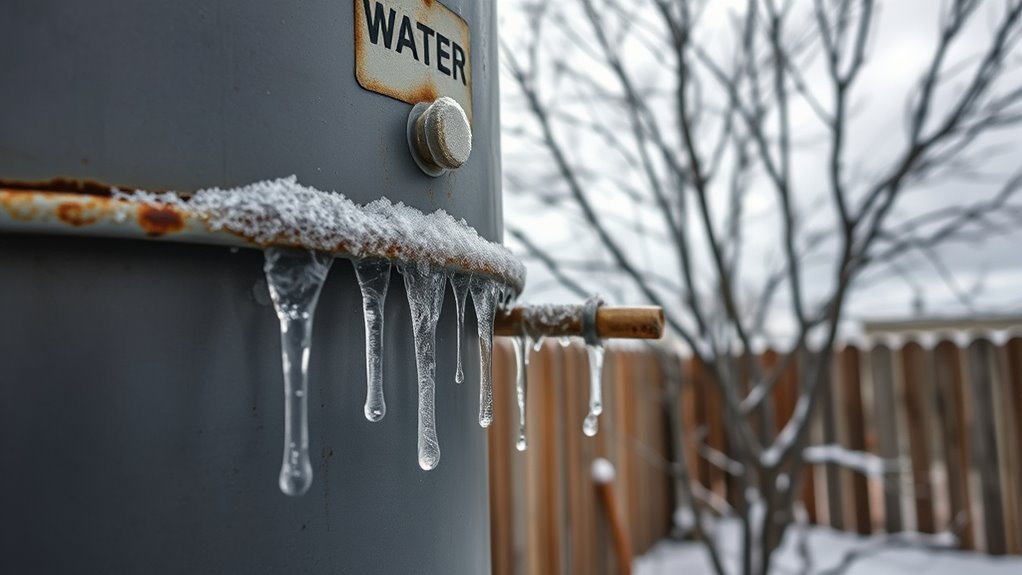
Cold weather can cause several noticeable issues with your water heater that signal it needs attention.
Cold weather often reveals water heater problems that require timely maintenance and care.
When temperatures drop, you might observe:
- Increased sediment buildup causing noisy operation and reduced hot water flow.
- Rust or corrosion accelerating, hinting at potential failure.
- Fluctuating or inconsistent hot water flow due to sediment obstruction worsened by freezing temperatures.
- Cold weather leaks around the tank base or pipes from system stress or pipe freezing.
- Higher energy bills indicating your heater is overworking and losing efficiency.
Pay close attention to these signs during winter.
Addressing them promptly helps maintain heater efficiency and prevents costly repairs caused by system stress in freezing temperatures.
The Role of Insulation in Maintaining Water Heater Efficiency
Noticing signs of water heater trouble in winter often means your system is struggling against the cold.
Proper insulation plays a vital role in maintaining your water heater’s efficiency by reducing standby heat loss by up to 45%.
Insulating the tank with a water heater blanket or fiberglass wrap helps keep water temperature steady, so your heater doesn’t work overtime.
Adding pipe insulation sleeves prevents heat loss along hot water lines, boosting overall efficiency.
In unconditioned spaces like garages or basements, insulation minimizes heat transfer and protects your system from freezing temperatures.
By insulating effectively, you reduce energy consumption and extend your water heater’s lifespan.
Regularly checking and replacing worn insulation ensures your water heater stays efficient and ready to meet your needs during cold weather.
Preventative Maintenance Tips for Winterizing Your Water Heater
To keep your water heater running smoothly this winter, start by insulating both the tank and exposed pipes to prevent heat loss and freezing.
Don’t forget to schedule a professional inspection to catch any issues before the cold sets in.
Also, adjusting your thermostat settings can help balance comfort and energy efficiency during colder months.
Insulate Pipes and Tank
When temperatures drop, insulating your water heater and pipes can make a significant difference in efficiency and protection.
Proper insulation reduces heat loss and guards against freezing, keeping your water heater running smoothly through winter.
To protect your system, consider these steps:
- Wrap your water heater with a blanket or foam wrap to cut standby heat loss by up to 45%.
- Insulate exposed pipes using foam sleeves or fiberglass to prevent freezing.
- Maintain consistent water temperature in unheated spaces like basements or garages.
- Keep hot water hotter longer, easing your water heater’s workload and saving energy.
- Regularly inspect and replace worn insulation to ensure continued protection.
Taking these measures helps protect your pipes and water heater from cold damage while boosting overall efficiency.
Schedule Professional Inspection
Although insulating your water heater and pipes is essential, scheduling a professional inspection before winter is crucial. This way, you can catch potential issues like sediment buildup or faulty components before they become problematic during freezing temperatures.
A thorough professional inspection during your winter maintenance ensures your plumbing system operates smoothly. It also keeps your heater performance at its best.
The technician will conduct an insulation check to confirm that your heat loss prevention measures are effective. They’ll also flush the tank to remove any sediment buildup, which can reduce efficiency and cause damage over time.
Addressing these concerns early helps prevent unexpected breakdowns when you need hot water the most. Booking a seasonal checkup in early fall gives you enough time to fix any problems.
This proactive approach keeps your water heater ready to face the cold months ahead and prolongs its lifespan.
Adjust Thermostat Settings
Since colder temperatures cause incoming water to lose heat more quickly, you’ll want to adjust your water heater’s thermostat to between 120 and 140°F during winter.
This temperature adjustment compensates for heat loss, ensuring a steady hot water supply despite cold weather.
To maintain energy efficiency and safety, consider these tips:
- Increase the thermostat gradually to avoid scalding risks.
- Test the water temperature regularly to confirm settings.
- Follow manufacturer guidelines for maximum temperature.
- Monitor energy bills for unusual spikes after adjustment.
- Fine-tune settings before winter to prevent system strain.
Addressing Sediment and Mineral Buildup During Cold Months
As temperatures drop, you’ll notice mineral deposits start settling inside your water heater, which can especially impact its performance.
Cold weather causes minerals like calcium and magnesium to precipitate, leading to sediment buildup at the tank’s bottom.
This buildup reduces water heater efficiency by insulating heating elements, causing longer heat times and higher energy use.
Left unaddressed, sediment accelerates corrosion and rust, especially since colder conditions increase condensation inside the tank.
To keep your system running smoothly, regularly perform tank flushing to remove sediment.
Also, check and replace the anode rod every 3-5 years to protect against corrosion.
These simple steps help maintain water heater efficiency and extend its lifespan during cold months, ensuring you have reliable hot water when you need it most.
Why Pipes Freeze and How It Affects Your Water Heater
Sediment buildup isn’t the only challenge cold weather brings to your water heater—freezing temperatures can cause serious issues with your pipes.
When outdoor temps drop below freezing, unprotected pipes risk becoming frozen pipes. This can lead to:
- Water expanding about 9% as it freezes, increasing pressure inside pipes.
- Pipe rupture caused by the expansion, risking leaks and water damage.
- Blocked water flow, making your water heater work harder or fail to deliver hot water.
- Insufficient insulation leaving pipes vulnerable to freezing temperatures.
- Costly repairs if frozen pipes aren’t properly thawed or prevented.
Adjusting Thermostat Settings for Optimal Winter Performance
You’ll want to set your water heater thermostat between 120°F and 140°F to keep hot water consistent during colder months.
Going higher can waste energy and create safety hazards, so avoid overheating.
Regularly adjusting the thermostat helps maintain efficiency and prevents unnecessary strain on your system.
Ideal Temperature Range
When cold weather causes incoming water temperatures to drop, you should adjust your water heater’s thermostat to maintain efficient performance.
Setting the thermostat between 120°F and 140°F helps balance hot water supply and energy efficiency during colder months.
Aim for this temperature range to prevent sediment buildup and minimize bacterial growth risks.
Keep these points in mind:
- Set thermostat at 120°F for safety and energy efficiency.
- Increase to 130°F–140°F if hot water feels insufficient.
- Regularly test the thermostat for consistent hot water supply.
- Avoid too high settings to prevent energy waste.
- Schedule professional checks to ensure ideal winter settings.
Proper thermostat setting keeps your heater running efficiently in cold weather while safeguarding your home’s hot water needs.
Energy Efficiency Tips
Although colder weather can challenge your water heater’s efficiency, adjusting the thermostat to around 120°F helps you maintain enough hot water while minimizing energy use.
You can slightly raise the temperature to offset heat loss caused by cold incoming water, but avoid exceeding 140°F to stay safe.
Regularly testing and fine-tuning your thermostat guarantees peak efficiency despite snow and freezing conditions.
Improving insulation around your water heater and pipes further reduces heat loss, boosting energy savings.
By managing the temperature based on seasonal changes, you reduce strain on your system and lower energy bills.
These simple steps help your water heater perform reliably all winter, keeping your home comfortable while preserving both energy and your equipment’s lifespan.
Avoid Overheating Risks
Since cold weather can cause your water heater to work harder, adjusting the thermostat to around 120°F helps you avoid overheating and reduces energy use.
Setting the temperature too high risks pressure buildup, which can damage your hot water heater or cause leaks.
Keeping the thermostat at an ideal temperature setting also lowers the risk of scalding, especially when pipes are vulnerable to freezing.
To avoid system failure and maintain efficiency, follow these tips:
- Check and adjust the thermostat before winter starts.
- Set the temperature near 120°F for safe, efficient heating.
- Monitor for signs of overheating or unusual pressure.
- Avoid raising the thermostat excessively during cold spells.
- Schedule regular maintenance to prolong your heater’s lifespan.
This approach minimizes strain and protects your system throughout winter.
When to Call a Professional for Winter Water Heater Issues
If your water heater starts producing inconsistent hot water or suddenly stops heating during cold weather, it’s time to call a professional.
Don’t ignore leaks, rust, or corrosion around the unit, as cold weather can worsen these water heater issues.
Persistent pilot light outages or frequent short cycling also signal the need for expert help.
If you hear banging or knocking noises, sediment buildup might be causing mechanical problems that require immediate attention.
Additionally, unexpected spikes in your energy bills could mean your heater is overworking against the cold.
A licensed plumber can diagnose and fix these problems efficiently, preventing costly damage and ensuring your hot water supply stays reliable throughout winter.
Acting promptly keeps your home comfortable and your water heater functioning safely.
Upgrading Your Water Heater for Cold Climate Durability
When you upgrade your water heater for cold climate durability, you’ll enjoy more consistent hot water and lower energy bills during winter.
Choosing a high-efficiency model designed for cold climate conditions markedly boosts water heater durability by reducing heat loss and improving system performance.
Replacing aging units also minimizes breakdown risks caused by winter stress.
Consider these upgrade benefits:
- Tankless water heaters provide on-demand hot water, cutting energy use.
- Enhanced insulation keeps heat in, reducing energy waste.
- Larger capacity models meet peak winter demand reliably.
- Newer units withstand freezing temps better, extending lifespan.
- Improved system performance ensures steady hot water flow.
Frequently Asked Questions
How Cold Is Too Cold for a Water Heater?
You shouldn’t let temperatures drop below 32°F around your water heater.
Below freezing risks pipe damage and malfunctions.
Keep the area above 55°F to make certain of efficient, safe operation.
This helps you avoid costly repairs during cold weather.
Can Extreme Cold Affect a Hot Water Heater?
Like a runner tiring in a blizzard, your hot water heater struggles in extreme cold.
Yes, it can freeze, crack, and work harder, risking damage and higher bills.
What Are the First Signs of a Water Heater Going Bad?
You’ll notice inconsistent hot water, strange noises like popping, or rust-colored water first.
Leaks or higher energy bills also signal trouble.
Catch these early to avoid a full water heater breakdown.
Why Is My Hot Water Not Working in Cold Weather?
Your hot water isn’t working in cold weather because your heater’s working harder to warm colder water.
Pipes lose heat, or sediment blocks heating.
Also, increased demand or a faulty thermostat can reduce hot water availability.
Conclusion
Cold weather can seem harsh and unrelenting, but with the right care, your water heater doesn’t have to suffer the same fate.
While freezing temperatures threaten efficiency and increase energy use, simple maintenance and insulation can keep your hot water flowing smoothly.
Don’t let winter’s chill catch you off guard!
Balancing proactive steps with timely professional help guarantees your heater stays resilient.
Turning cold challenges into warm comfort all season long is possible with a bit of effort.
Ensure you’re checking for leaks, insulating pipes, and scheduling regular maintenance.
Keeping your hot water heater in top shape during winter not only saves energy but also prolongs its lifespan.
So, stay ahead of the cold and enjoy uninterrupted hot water throughout the frigid months!
Taking these steps can make all the difference in maintaining a cozy home this winter.