
Can Bed Bugs Live in Cold Weather and How to Prevent Infestations
Yes, bed bugs can survive cold weather by hiding in warm indoor spots like mattress seams and cracks.
Cold alone won’t kill them unless you freeze infested items below 0°F for several days. You’ll need to seal them in plastic bags to prevent re-infestation.
To prevent infestations, regularly inspect and clean your space, especially after travel.
Using heat or hiring professional pest control treatments can also be effective.
Understanding these survival tactics and employing effective control methods will help you protect your home from these stubborn pests.
Stay vigilant, and you’ll be better equipped to keep bed bugs at bay!
Understanding Bed Bug Adaptability to Temperature
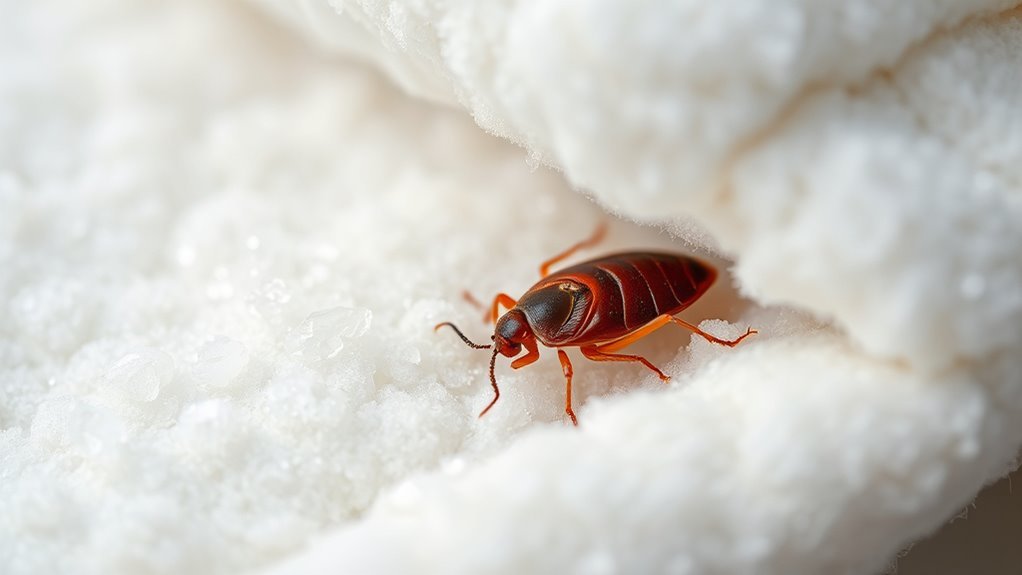
Although you might think cold weather would easily eliminate bed bugs, these pests have adapted remarkably well to low temperatures.
Their adaptability comes from their ancestors—cave-dwelling insects used to cooler environments.
Bed bugs have developed physiological traits that allow them to survive cold by lowering the freezing point of their body fluids, making them “freeze-intolerant” rather than freeze-susceptible.
This means they can endure short bursts of temperatures as low as -13°F (-25°C) if exposure lasts several days.
Thanks to this adaptability, bed bugs thrive in diverse climates, including winter conditions, which might surprise you.
Understanding their cold resilience is key to managing infestations effectively and recognizing that cold alone won’t always get rid of them.
How Cold Weather Affects Bed Bug Survival
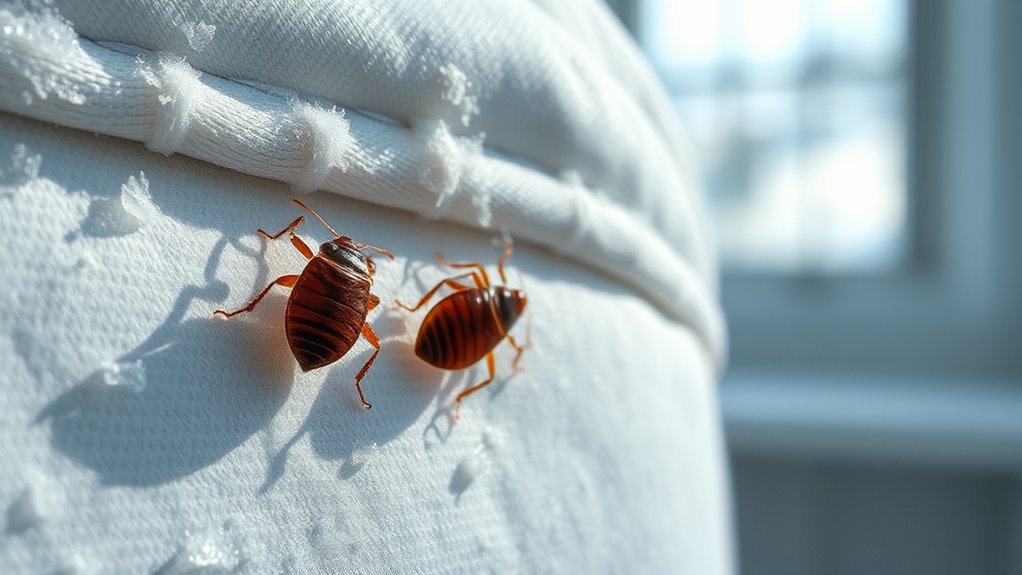
You might think cold weather will wipe out bed bugs, but they can survive surprisingly low temperatures for short periods.
To truly kill them, you need sustained freezing—around 0°F or lower—for several days.
Understanding their cold tolerance helps you know when freezing can actually be an effective treatment.
Cold Temperature Tolerance
How cold does it have to get to kill bed bugs?
Bed bugs can survive short bursts of cold weather, enduring temperatures as low as -13°F (-25°C).
However, to kill them completely, you need sustained exposure to temperatures below -15°F (-26°C) for several days.
All life stages, including eggs, require at least 80 hours at around -16°C (3°F) to ensure 100% mortality.
Bed bugs lower the freezing point of their body fluids, making them freeze-intolerant but resilient against brief cold spells.
So, while cold weather alone won’t wipe out an infestation quickly, prolonged freezing conditions can.
Understanding their cold temperature tolerance helps you know when cold weather might help reduce bed bug populations but won’t guarantee total elimination without proper treatment.
Freezing Effects on Bed Bugs
Understanding bed bugs’ tolerance to cold sets the stage for examining how freezing temperatures impact their survival.
While bed bugs can withstand short bursts of cold as low as -13°F (-25°C), freezing them below -15°F (-26°C) for 48 to 80 hours is necessary for complete mortality.
You should know that eggs are tougher than adults and nymphs, often surviving brief exposure to around -20°C (-4°F).
Freezing small infested items at 0°F (-18°C) for 2 to 4 days effectively kills all stages, including eggs.
However, inconsistent freezing times or higher temperatures might only partially eliminate bed bugs.
Freezing is practical for small objects but less so for large or fragile ones.
To fully eradicate bed bugs, combine freezing with other pest control methods.
The Science Behind Freezing Bed Bugs
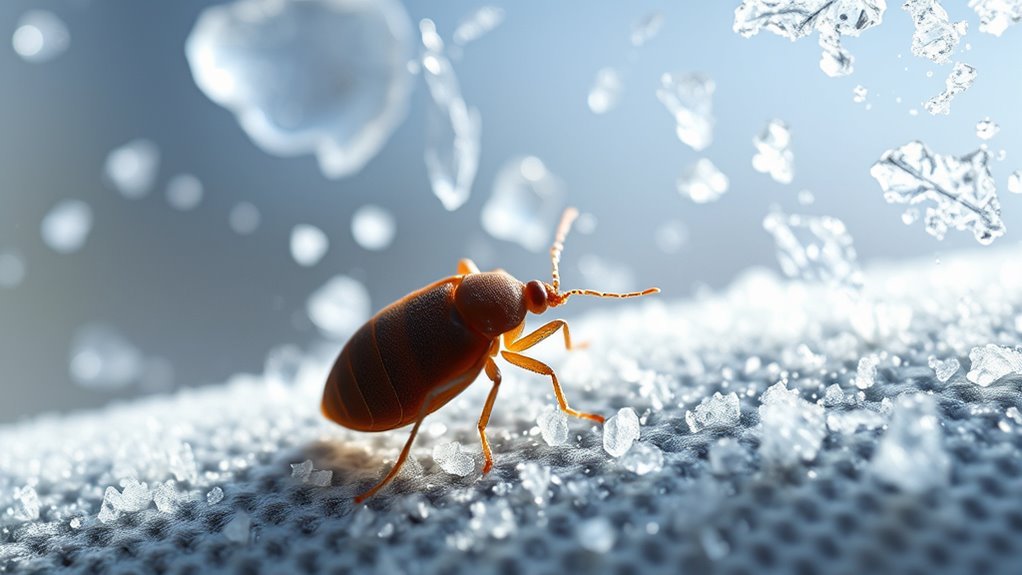
To kill bed bugs effectively, you need to freeze infested items at temperatures below -15°C (5°F) for at least 48 hours.
Keep in mind that all life stages, especially eggs, require longer exposure—up to 80 hours at -16°C—to guarantee complete eradication.
Freezing Temperature Requirements
Although freezing appears to be a straightforward remedy, you need to expose bed bugs to temperatures below -15°C (5°F) for at least 3.5 days to guarantee complete eradication.
Freezing temperatures must be consistent and sustained because bed bug eggs are more resistant than adults or nymphs.
For effective control, freezing infested items at 0°F (-18°C) for a minimum of four days kills all life stages, including the tough eggs.
To improve results, seal items tightly in plastic bags before freezing to ensure cold penetrates thoroughly and prevents re-infestation.
Duration for Effective Control
Because bed bugs and their eggs can survive brief exposure to cold, you need to maintain freezing temperatures for an extended time to guarantee complete eradication.
The duration for effective control is vital—short freezes won’t kill all life stages, especially resilient eggs.
For instance, keeping infested items at -18°C (0°F) for 2 to 4 days ensures total mortality.
Here’s a quick guide:
| Temperature (°C) | Duration for Effective Control |
|---|---|
| -15 | Several days |
| -16 | At least 80 hours (3.5 days) |
| -18 | 2 to 4 days |
| -25 | Must be longer than short-term |
You must maintain proper cold temperatures and the right duration to succeed in freezing bed bugs completely.
Limitations of Cold Treatment
While freezing bed bugs can be effective, you need to understand the science behind it to avoid pitfalls.
Bed bugs require at least 80 hours at cold temperatures around -16°C to achieve 100% mortality across all life stages.
However, shorter exposure times often fail to kill bed bug eggs, which are more resilient and can survive brief periods even at -25°C.
This means simply exposing items to freezing conditions for a day or two might not be enough.
To improve success, seal infested items tightly in plastic bags and maintain the cold for 2-4 days.
Effective Freezing Techniques for Bed Bug Control
If you want to use freezing to kill bed bugs, you need to seal infested items in plastic bags and place them in a freezer set to 0°F (-18°C) or lower.
Maintaining this temperature is essential because anything warmer may not eliminate all bed bugs, especially their resilient eggs.
Keeping the temperature at or below 0°F is crucial to kill all bed bugs and their eggs.
Keep small infested items like clothing, books, or electronics in the freezer for at least 2 to 4 days to ensure complete eradication.
Freezing works best for these small objects since larger or delicate items might not withstand the cold or fit in your freezer.
By carefully applying freezing techniques, you can effectively control bed bugs without harsh chemicals.
But remember that consistent low temperatures and enough exposure time are key to success.
Common Hiding Spots for Bed Bugs in Winter
When winter hits, bed bugs don’t vanish—they tuck themselves into warm, hidden spots near you.
You’ll often find them in mattress seams, behind headboards, or inside cracks in furniture.
Knowing where they hide indoors during cold months helps you spot and tackle them more effectively.
Winter Bed Bug Habitats
Because bed bugs need warmth to survive cold weather, they hide in cozy, sheltered spots during winter.
You’ll often find bed bugs tucked behind headboards, inside mattress seams, and within cracks in furniture.
They also take refuge in wall voids, electrical outlets, and beneath baseboards where heat lingers.
Cluttered areas and stored bedding or clothing create perfect winter hiding spots.
Bed bugs may even retreat to less-used rooms to avoid colder temperatures outside.
Look behind picture frames, inside upholstered furniture, and box springs or bed frames to spot their hiding places.
Understanding these winter bed bug habitats helps you target their shelters effectively and prevent infestations before they spread in your home.
Indoor Hiding Preferences
Although bed bugs prefer warmth during winter, they often hide in small, dark spaces inside your home where they stay undisturbed.
When it comes to indoor hiding, bed bugs commonly settle in mattress seams, behind picture frames, and within cracks in bed frames.
They also favor tight spots like box springs and furniture joints. You’ll find them in consistently warm places such as under rugs, inside folded clothes, or in cushions.
Cluttered areas like behind curtains or inside closets provide perfect cover, too.
Because they seek warmth, bed bugs may also move to wall voids or electrical outlets during colder months.
Knowing these indoor hiding preferences helps you spot and prevent infestations before they grow out of control.
Common Winter Shelter Areas
Indoor hiding spots give you clues about where bed bugs settle during winter.
In these common winter shelter areas, bed bugs can survive by finding warmth and darkness.
Look behind headboards, inside mattress seams, and within cracks of furniture.
They also hide in baseboards, picture frames, and behind electrical outlets where heat lingers.
Cluttered spaces like stored clothes, boxes, and unused furniture provide perfect winter refuges.
Bed bugs prefer tight, dark spots near your bed since they stay less active in colder months.
If you live in a multi-unit building, check shared wall cracks and electrical wiring cavities.
Knowing these common winter shelter areas helps you spot infestations early and take action before bed bugs multiply.
Signs of Bed Bug Infestation During Cold Months
How can you tell if bed bugs are lurking in your home during the cold months?
Even when temperatures drop, bed bugs remain active indoors if it’s warm enough.
Look for signs like blood stains on your sheets, rust-colored fecal spots, shed skins, or tiny eggs in mattress seams and cracks.
Bites often appear in clusters or lines, causing red, itchy welts within a day.
During winter, bed bugs hide behind furniture, inside mattress seams, or in cracks around beds and walls, making them harder to spot.
If you notice these signs on infested items or around your sleeping area, it’s a strong indication of an ongoing infestation.
This situation needs professional treatment or a thorough inspection to prevent its spread.
Preventing Bed Bugs When Traveling in Winter
When you travel during winter, bed bugs can easily hitch a ride in your luggage or clothes if you’re not careful.
To prevent bed bugs from invading your home, inspect hotel beds and furniture carefully.
Keep your luggage off the floor and away from beds, and use plastic covers on suitcases.
Avoid placing clothes directly on hotel furniture.
After traveling, wash and dry your clothes on high heat (at least 120°F) to kill any bed bugs.
Vacuuming and steaming your luggage can also help prevent bed bugs from spreading.
| Action | Purpose |
|---|---|
| Inspect beds and furniture | Spot bed bugs early |
| Elevate luggage | Avoid contact with bed bugs |
| Use protective covers | Block bed bugs from entering |
| Wash clothes on high heat | Kill hidden bed bugs and eggs |
Combining Cold Treatment With Sanitation Practices
Although freezing infested items at 0°F or lower for at least four days kills all bed bug stages, you’ll get the best results by combining cold treatment with thorough sanitation practices.
Before freezing, seal items in airtight plastic bags to prevent moisture and temperature fluctuations that could weaken cold treatment effectiveness.
You should also launder bedding, clothing, and linens in hot water, then dry them on high heat to eliminate any lingering pests.
Cleaning and vacuuming the infested areas beforehand removes eggs and debris, making cold treatment more effective.
This combined approach reduces the chance of re-infestation and strengthens long-term pest control.
Professional Methods for Bed Bug Elimination
Since bed bugs can be stubborn pests, professional methods combine advanced techniques like thermal remediation, K-9 detection, and targeted pesticide applications to guarantee effective elimination.
Pest control experts use thermal remediation by heating affected areas to at least 118°F, killing bugs and eggs thoroughly.
K-9 detection teams locate infestations with precision, ensuring no spots are missed before treatment begins.
Effective control involves a combination of inspection, steaming, pesticide application, and heat treatment, reaching a success rate near 98%.
Unlike DIY methods, professional pest control requires no extensive prep work from you and comes with full guarantees.
Additional Resources for Winter Pest Management
Professionals rely on a range of tactics to tackle bed bugs effectively, but managing pests during colder months calls for additional knowledge and tools.
Winter pest management resources can guide you in preventing infestations of bed bugs and other pests that seek indoor warmth during cold weather.
Winter pest management resources help prevent bed bug infestations and other pests seeking indoor warmth during cold weather.
To stay ahead, consider these key resources:
- Seasonal guides that explain how bed bugs behave in winter and recommend inspection and treatment strategies tailored to cold conditions.
- Educational materials that teach you to identify early signs of pests and how to winter-proof your home.
- Integrated pest management tools combining sanitation, exclusion, and targeted treatments to maintain pest-free spaces year-round.
Using these resources helps you protect your home from bed bugs and other winter pests efficiently.
Frequently Asked Questions
How to Get Rid of Bed Bugs in Cold Weather?
You can get rid of bed bugs in cold weather by freezing infested items at 0°F for at least four days.
Inspect regularly and use sealed bags to contain any potential infestation.
Also, consider professional heat treatments for larger or delicate belongings.
This multi-faceted approach will help ensure that you effectively eliminate bed bugs, even in the colder months.
How Did They Get Rid of Bed Bugs in the Old Days?
In the old days, you’d eliminate bed bugs by freezing infested items, applying heat treatments like steaming or ironing,
fumigating with chemicals like sulfur, and physically removing bugs through thorough cleaning and vacuuming.
It was quite the battle back then! People had to be really diligent to get rid of those pesky critters.
How Long Can Bedbugs Live in the Cold?
Bed bugs can survive short cold spells but need around 80 hours at about 3°F or lower to die.
Will Bed Bugs Come Back After Freezing?
Bed bugs won’t come back if you freeze infested items at 0°F or below for at least four days.
However, you’ll need to clean thoroughly and inspect regularly.
This is important to prevent new infestations from hitchhikers or missed eggs.
Conclusion
Just like winter doesn’t stop the resilient Little Drummer Boy from keeping rhythm, cold weather won’t completely silence bed bugs.
They can survive chilly conditions if you’re not careful.
But with smart freezing techniques, thorough cleaning, and vigilance during winter travel, you can beat these tiny invaders at their own game.
Stay proactive and don’t let bed bugs march through your home—take control before they set up camp again.
In conclusion, bed bugs can endure cold weather, but you can prevent infestations with effective strategies.
Embrace freezing methods, keep your living spaces clean, and be alert while traveling.
By staying vigilant and taking preventive measures, you can safeguard your home from these pesky pests.
Remember, it’s essential to act quickly to maintain a bed bug-free environment.