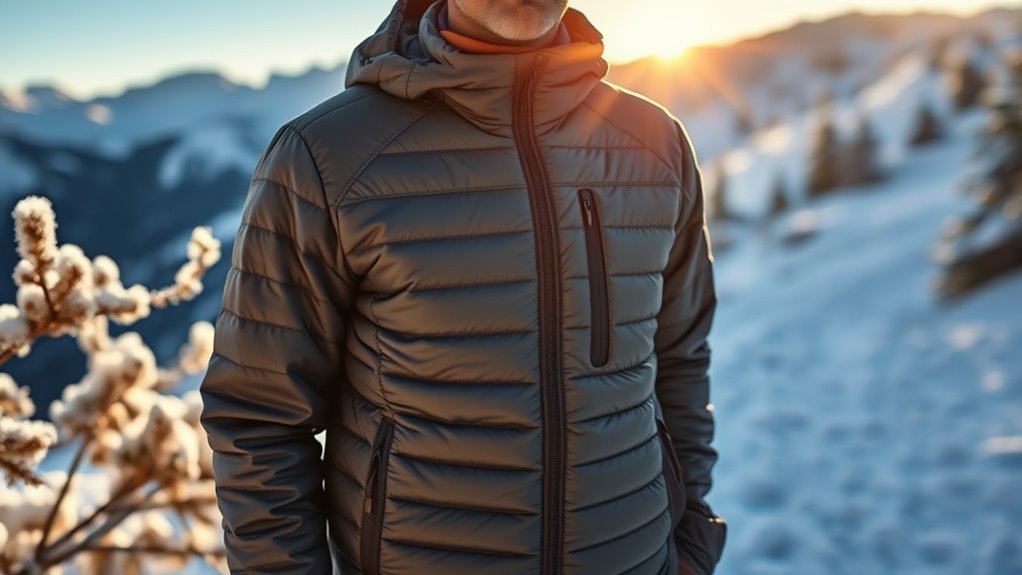
Is Polyester Good for Cold Weather?
You’ll find polyester is good for cold weather because it traps heat and wicks moisture away to keep you warm and dry.
Its quick-drying properties and resistance to wrinkles make it easy to layer and maintain.
Polyester’s synthetic fibers create insulation pockets that help block cold air.
While it may not breathe as well as wool, combining it with other fabrics can boost comfort.
So, if you’re looking for effective winter wear, polyester is a great choice.
Keep exploring and you’ll discover the best ways to use polyester during winter.
Understanding Polyester as a Fabric
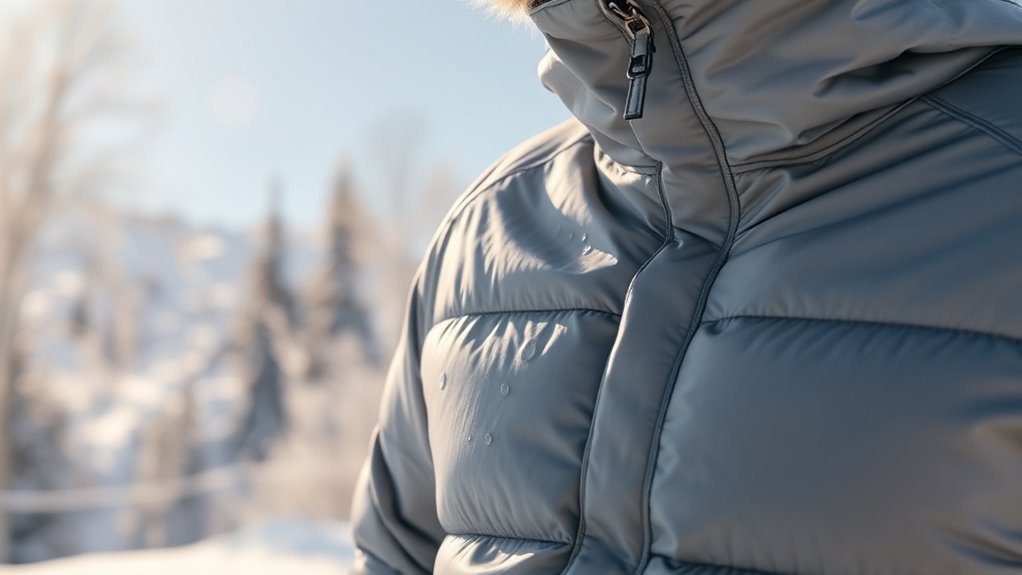
Although polyester is a synthetic fiber made from petroleum-based chemicals like polyethylene terephthalate (PET), it’s valued for more than just its origin.
Polyester, a synthetic fiber from petroleum-based chemicals, offers benefits beyond its chemical origins.
You’ll find polyester’s insulating properties help trap air within the fibers, providing thermal insulation that keeps you warm.
As a synthetic fiber, polyester stands out for its durability and excellent shape retention. This means your clothes maintain their fit and resist wrinkles through wear and washing.
You’ll also appreciate polyester’s low moisture absorption, which means it dries quickly. This feature is especially ideal for performance clothing where staying dry matters.
These qualities make polyester a practical choice when you need warmth and comfort without sacrificing resilience or ease of care.
Understanding these fabric traits helps you see why polyester is popular across many clothing types.
How Polyester Performs in Cold Weather
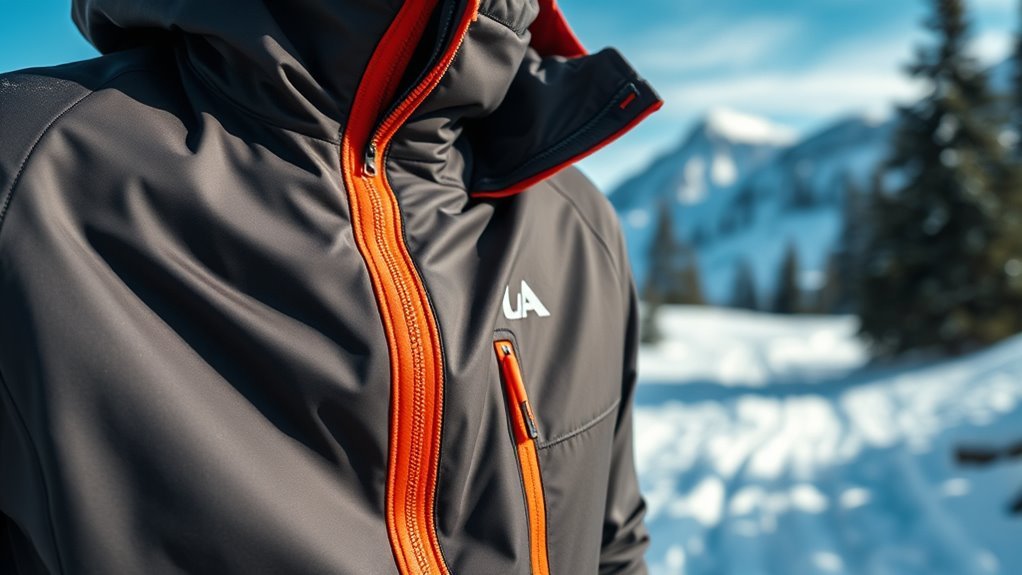
How does polyester hold up when temperatures drop?
Polyester performs well in cold weather by trapping air within its fibers, providing effective insulation that helps retain your body heat.
It’s commonly used in layering pieces like fleece-lined jackets and thermal tops, boosting overall warmth without bulk.
Thanks to its moisture-wicking and quick-drying properties, polyester keeps you dry, preventing chills from dampness.
Its water-resistant and windproof features offer solid protection against harsh, cold elements.
While polyester isn’t the warmest material on its own, its thermal properties improve considerably when combined with other insulating fabrics.
Benefits of Polyester for Winter Clothing

Polyester’s ability to trap heat and wick moisture makes it a standout choice for winter clothing. This synthetic fabric excels in heat retention by creating tiny fiber pockets that insulate your body, keeping you warm in cold conditions.
Plus, its moisture-wicking and quick-drying features move sweat away from your skin, ensuring you stay dry and comfortable.
You’ll also appreciate polyester’s water resistance and durability, which protect your winter garments from stains, mold, and sunlight damage. This helps to extend the lifespan of your clothing.
When blended with other insulating materials or used in layers, polyester enhances overall warmth and toughness. This makes your winter clothing more efficient.
And if you’re looking for a sustainable option, recycled polyester offers the same insulation properties and durability without sacrificing performance or warmth.
Limitations of Polyester in Cold Conditions
While polyester traps heat well, it can leave you feeling uncomfortable in cold weather because it’s less breathable than natural fibers.
Its limited breathability means moisture and heat can get trapped, causing dampness and discomfort.
Unlike wool, polyester lacks natural moisture-wicking, so sweat may stay close to your skin, reducing insulation efficiency.
You’ll need proper layering and ventilation to avoid overheating or smothering.
Additionally, consider its environmental impact, as polyester is petroleum-based and less eco-friendly.
Keep in mind these key limitations of polyester in cold conditions:
- Poor breathability leads to trapped heat and moisture
- Limited natural moisture-wicking increases risk of dampness
- Insulation relies heavily on effective layering
- Environmental impact is significant compared to natural fibers
Effective Ways to Incorporate Polyester in Winter Outfits
Although polyester has its drawbacks, you can still use it effectively in winter outfits by layering it thoughtfully.
Start with polyester thermal layers as your base; their moisture-wicking properties keep you dry by pulling sweat away from your skin.
Next, add polyester mid-layers like fleece-lined hoodies or insulated vests to boost insulation and trap warmth.
For outerwear, choose windproof and water-resistant polyester jackets to shield against harsh elements.
You can also layer these synthetic fabric pieces with natural fibers like wool to enhance thermal performance and comfort.
By combining polyester’s moisture control and protective qualities with strategic layering, you’ll create winter clothing that balances warmth, breathability, and protection against cold weather.
This approach maximizes polyester’s benefits while minimizing its limitations.
Comparing Polyester With Other Winter Fabrics
To get the most out of polyester in winter, it helps to understand how it stacks up against other fabrics.
When you compare polyester to natural fabrics like wool and merino, you’ll notice key differences in insulation, moisture absorption, and breathability.
Here’s a quick fabric comparison:
- Polyester offers good insulation by trapping warm air but has lower breathability than natural fabrics.
- Natural fabrics like wool and merino excel at moisture absorption, keeping you drier and warmer.
- Wool and merino have a better warmth-to-weight ratio, making them lighter yet warmer.
- Blends of polyester with wool or fleece combine durability, moisture management, and insulation for balanced winter wear.
Knowing these traits helps you choose the right winter fabrics for both comfort and performance.
Frequently Asked Questions
Can Polyester Keep You Warm in Winter?
Yes, polyester can keep you warm in winter because it traps air, providing insulation.
When layered or blended with fleece, it enhances warmth.
Plus, it wicks moisture away quickly, helping you stay dry and cozy.
What Fabric Is Best for Cold Weather?
You’ll want wool or merino for cold weather since they insulate and wick moisture naturally.
Fleece and down also keep you warm and light.
Polyester works okay layered but isn’t as breathable as natural fibers.
Is Polyester or Cotton Better for Winter?
When it comes to winter, polyester beats cotton hands down.
You know what they say: “Bundle up or be left out.”
Polyester traps heat, dries fast, and keeps you warm even if you get wet.
What Is the Downside of 100% Polyester?
The downside of 100% polyester is that it traps moisture, lacks breathability, and provides less insulation.
You’ll also deal with odor retention, static, and environmental concerns since it’s synthetic and non-biodegradable.
Conclusion
When it comes to cold weather, polyester can be a reliable ally if you use it wisely.
It traps heat well and dries quickly, but it’s not a miracle worker against extreme cold.
Remember, “don’t put all your eggs in one basket”—mix polyester with natural fibers for the best warmth and comfort.
By layering smartly and choosing the right blends, you’ll stay cozy without sacrificing style or practicality this winter.
In conclusion, while polyester has its benefits for cold weather, it’s essential to combine it with natural materials for optimal insulation.
Layering is key, so think about your outfit choices to maximize comfort and warmth.
With the right approach, you can enjoy the chill of winter while looking stylish and feeling snug.