Does Cold Weather Cause a Sore Throat?
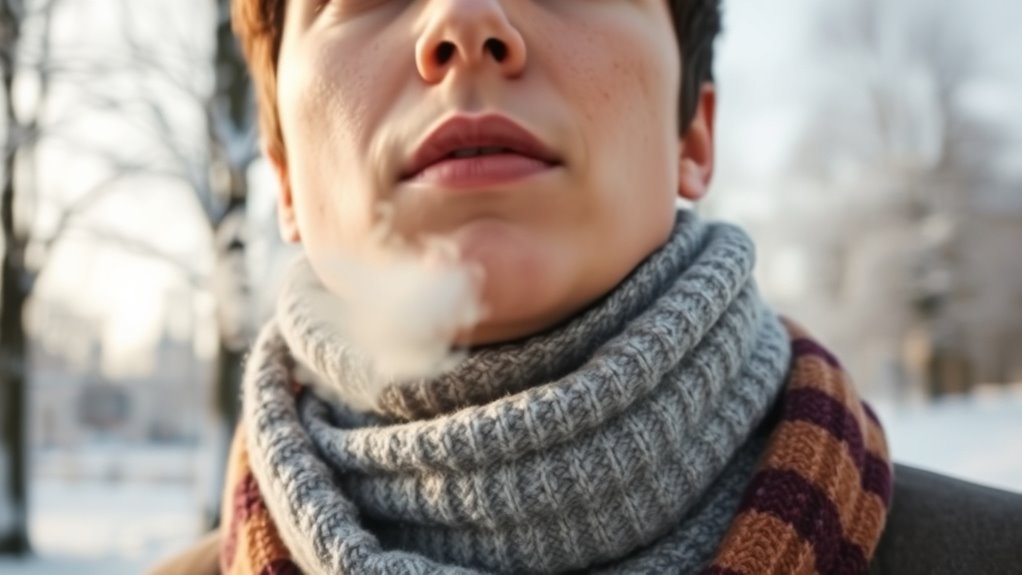
Yes, cold weather can cause your throat to feel sore. When temperatures drop, the air tends to become cold and dry, which can irritate your throat tissues.
This irritation makes your throat more sensitive and uncomfortable.
Additionally, the dryness thickens mucus, which reduces its ability to protect and soothe your throat.
As a result, you may experience scratchiness and soreness.
While it’s typically not an infection, it’s important to recognize the symptoms and take steps to protect yourself from worsening discomfort as the cold weather persists.
How Cold Air Affects Your Throat
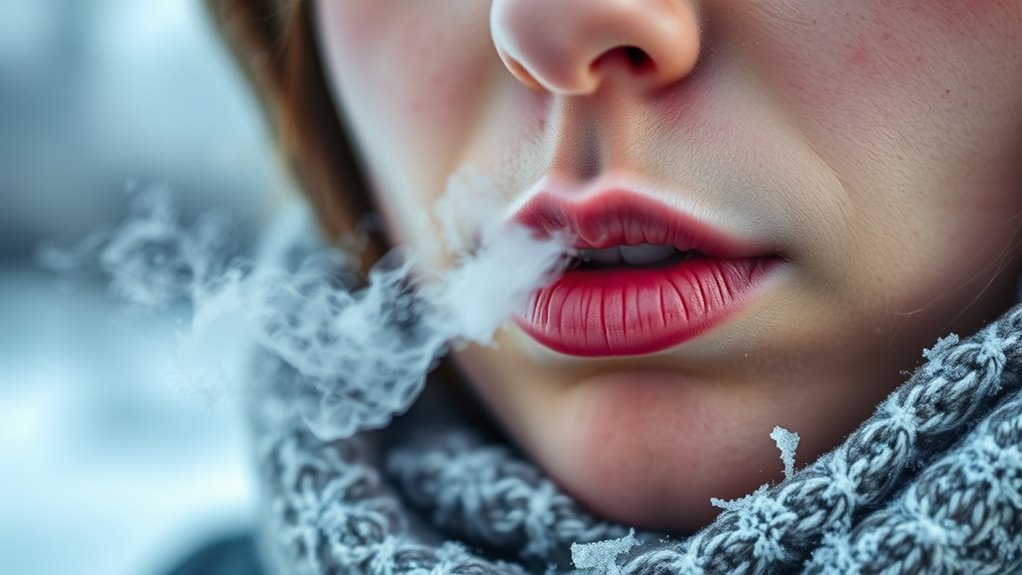
When you breathe in cold air, its dryness quickly strips moisture from your throat tissues, causing irritation.
This dryness makes the lining of your throat more sensitive and inflamed. Cold air also thickens the mucus in your throat, which normally protects and lubricates your tissues.
When mucus thickens, it can’t do its job as effectively, leaving your throat vulnerable to soreness and scratchiness.
Additionally, the small nerve endings in your throat become more reactive to this dryness, which worsens your discomfort.
Whether you’re outside in winter or inside a heated room, cold air exposure can intensify the feeling of a sore throat.
It does this by increasing dryness and reducing the protective qualities of your mucus.
Common Causes of Sore Throat in Winter

You may notice your throat feeling sore more often during winter, and several factors contribute to this discomfort.
The cold, dry air strips moisture from your throat, making it more vulnerable to irritation. Indoor heating further dries out the air inside, worsening the soreness.
Additionally, seasonal allergens like mold and pet dander increase as you spend more time indoors, triggering throat irritation.
Finally, viral infections such as colds and the flu are more common in winter, often causing sore throats.
- Dry air and indoor heating reduce humidity, drying out your throat.
- Seasonal allergens inside your home can provoke irritation.
- Viral infections peak in winter, leading to frequent sore throats.
Understanding these causes can help you manage and prevent throat discomfort during colder months.
Symptoms of Cold Air-Induced Throat Irritation

Although cold air can cause discomfort, it usually leads to a sore, dry, and scratchy throat without any signs of infection.
When you breathe in cold air, it often dries out the tissues in your throat, causing irritation.
The common symptoms you might notice include a sore throat that feels dry and irritated rather than inflamed or painful from infection.
You won’t typically experience fever or body aches, which are common with infections.
These symptoms tend to improve when you keep hydrated and use a humidifier to add moisture to the air you breathe.
However, if your sore throat or dryness persists or worsens, it’s important to seek medical advice to rule out other causes.
Cold air symptoms usually stay mild and temporary.
Differentiating Between Cold Air Irritation and Infection
You’ll notice cold air usually causes a dry, scratchy throat without fever or body aches.
If your throat feels worse despite staying hydrated or humidified, or if you see white patches and swollen glands, it’s likely an infection.
Recognizing these differences helps you decide when to seek medical care.
Identifying Cold Air Symptoms
How can you tell if your sore throat comes from cold air or an infection?
When cold air causes your throat dryness and soreness, the symptoms are usually limited and improve with simple care.
Look for these signs of cold air irritation:
- Throat dryness and mild scratchiness without fever or body aches.
- Sore throat that eases with hydration and warmth.
- Absence of swollen lymph nodes or white patches.
Cold air mainly dries out your throat tissues, causing irritation without the systemic symptoms infections bring.
If your sore throat sticks around or worsens alongside fever or difficulty swallowing, it’s likely not just cold air, and you should see a doctor.
Recognizing these cold air symptoms helps you manage discomfort without unnecessary worry about infection.
Signs of Infection
When your sore throat comes with fever, swollen glands, or body aches, these signs usually point to an infection rather than cold air irritation.
Cold air typically causes dryness and mild discomfort without systemic symptoms.
White patches or pus in your throat are clear indicators of bacterial infection, like strep throat.
If symptoms persist, worsen, or cause difficulty swallowing, see a healthcare provider for diagnosis.
| Symptom | Likely Cause |
|---|---|
| Fever | Infection |
| Swollen glands | Infection |
| Body aches | Infection |
| White patches | Bacterial infection |
| Dryness/irritation | Cold air without infection |
Knowing these differences helps you decide when to seek medical care.
Preventative Measures to Protect Your Throat During Cold Weather
Although cold weather can dry out and irritate your throat, you can take simple steps to protect it.
Start by using a humidifier indoors to maintain humidity levels around 40-60%. This helps prevent dryness caused by harsh winter air.
Drinking warm beverages like herbal teas with honey soothes and hydrates your throat.
When heading outside, wear ear muffs or scarves to shield your neck and ears from cold air, reducing irritation.
- Use a humidifier to keep indoor air moist
- Sip warm beverages to soothe your throat
- Wear ear muffs and practice good hand hygiene to avoid infections
Also, remember to wash your hands regularly to prevent viruses that can worsen sore throat symptoms.
These measures help keep your throat comfortable all winter long.
When to Seek Professional Medical Advice for Throat Issues
Taking steps to protect your throat during cold weather can reduce discomfort.
Protecting your throat in cold weather helps minimize irritation and keeps discomfort at bay.
But some symptoms require professional attention. If your sore throat lasts longer than a week despite home remedies, it’s time to seek medical advice.
You should also contact a healthcare professional immediately if you experience difficulty swallowing, breathing, or severe pain.
Other throat issues that warrant prompt evaluation include high fever, swollen glands, or white patches in your throat.
If symptoms worsen or don’t improve with over-the-counter treatments, seeing a specialist is important.
Additionally, consult a healthcare provider if you notice signs of infection, such as persistent body aches or rash.
Recognizing when to get medical advice ensures you address serious throat issues before they escalate.
Frequently Asked Questions
How to Tell if a Sore Throat Is From a Cold?
You can tell if your sore throat’s from a cold if it feels dry and scratchy without fever or swollen glands.
It usually improves with hydration and warmth, unlike infections that cause persistent pain and additional symptoms.
Why Throat Pain During Pregnancy?
You experience throat pain during pregnancy because increased blood flow, hormonal changes, and a weakened immune system make your throat more sensitive.
Plus, nasal congestion, post-nasal drip, and acid reflux can all irritate your throat tissues.
Can You Get a Sore Throat From Cold Weather?
You’ll feel like your throat’s been sandpapered if you breathe cold, dry air too long.
Yes, cold weather can give you a sore throat by drying and irritating it, even if it’s not an infection.
What Causes a Sore Throat in Children?
You’ll find sore throats in children mainly caused by viral infections, allergies, or bacterial infections.
Dry air and mouth breathing can worsen irritation.
Close contact with others also spreads germs, increasing sore throat risks.
Conclusion
You might think cold weather alone causes your sore throat, but there’s more beneath the surface.
While chilly air can irritate your throat, it’s often a trigger—not the true culprit.
If your discomfort lingers or worsens, don’t ignore it.
What seems like a simple chill could be the start of something more serious.
Stay vigilant, protect your throat, and know when to seek help before it’s too late.
In conclusion, while cold weather can indeed contribute to a sore throat, it is usually not the sole cause.
Factors like viruses and allergens play significant roles too.
If you experience persistent throat discomfort, it’s important to consult a healthcare professional.
Being proactive about your health can help prevent more serious issues down the road.
So, remember to pay attention to your body, especially during the colder months!