7 Tips to Wash My Car in 20 Degree Weather
Washing your car in 20-degree weather can be a challenge, but it’s important for maintaining its appearance and protection against winter elements. Before you start, be sure to check the forecast and find a sheltered or indoor location to prevent freezing.
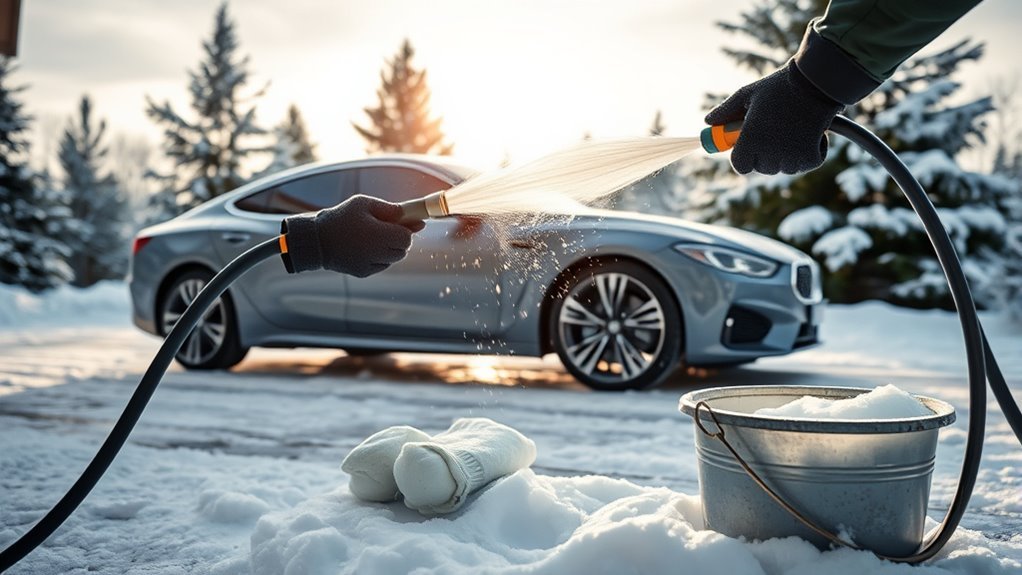
Using warm water around 100°F with cold-weather soap is essential. Work quickly in small sections to avoid letting the water freeze.
Once you’ve washed, dry all surfaces thoroughly with microfiber towels to prevent water spots and ice formation. Don’t forget to open the doors to release any trapped water inside.
In extreme cold, consider using waterless wash products to avoid ice buildup altogether.
Taking these steps not only protects your car but also keeps it looking great throughout the harsh winter months.
Explore more tips to keep it clean and safe in cold conditions!
Assess Weather Conditions Before Washing
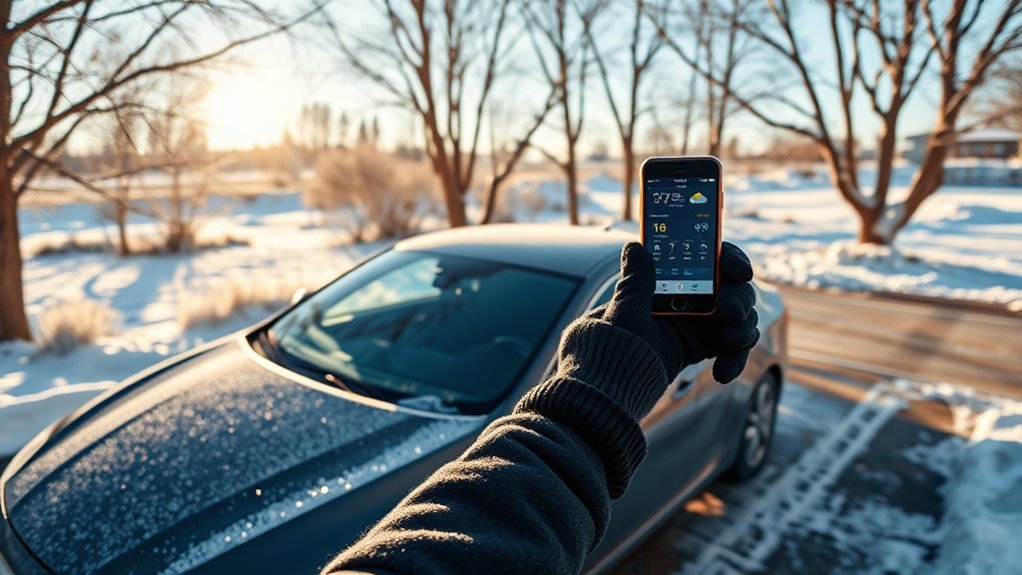
Before you wash your car in cold weather, make sure the outdoor temperature stays above 20°F to prevent water from freezing on your vehicle.
Check the weather forecast carefully and choose a day with stable conditions—avoid windy days or times when the temperature might drop suddenly.
Measure the temperature both in the shade and in direct sunlight since sunlight can slightly raise the surface temperature, helping the water dry faster.
Remember, water can freeze quickly at 20°F, so planning is key to prevent ice buildup on your car.
If the outdoor temperature is at or below 20°F, consider indoor or heated options to avoid freezing problems.
These steps help you assess weather conditions effectively before washing.
Use Warm Water and Cold-Weather Car Soap
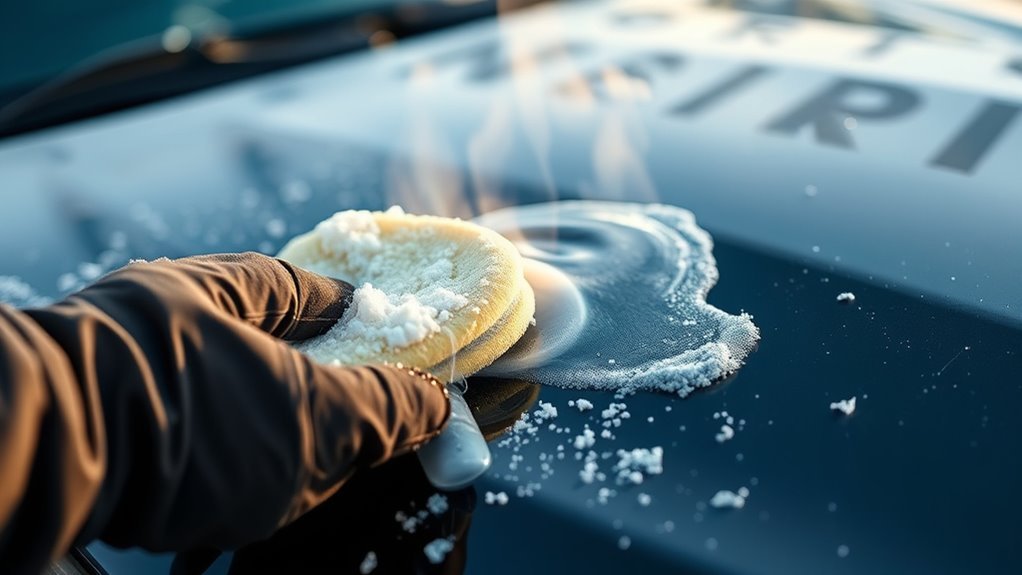
Use warm water around 100°F to keep your car’s surface from freezing and boost cleaning power in cold weather.
Pick a cold-weather car soap designed to work well at low temperatures, like HydroSuds or Snow Foam.
Mixing warm water with the right soap helps prevent freezing while you wash and protects your car’s finish.
Benefits of Warm Water
Although washing your car in cold weather can be challenging, using warm water makes the process much easier and more effective.
Warm water helps prevent freeze formation on your car’s surface during a 20-degree car wash, reducing icy conditions and protecting your door seals from freezing.
The temperature difference between warm water and freezing weather limits water droplets from turning into ice, ensuring a smoother wash.
Plus, warm water enhances the cleaning power of cold-weather car soap, gently safeguarding your car paint with a lubricating foam that minimizes scratches.
Here are the key benefits of using warm water:
- Prevents water droplets from freezing on your vehicle.
- Protects door seals and locks from ice buildup.
- Improves soap effectiveness in dissolving grime.
- Shields car paint during icy conditions.
Choosing Cold-Weather Soap
When washing your car in cold weather, selecting a soap designed specifically for low temperatures makes a significant difference.
Choose a cold-weather soap that maintains a slick, foamy consistency even in chilly conditions.
Thickness-rich soaps like Snow Foam or HydroSuds work best because they resist freezing and improve grime removal.
Mix the soap with lukewarm water instead of hot water to prevent freezing while boosting cleaning power.
Avoid regular or diluted soaps meant for warmer climates, as they freeze quickly and lose effectiveness.
Also, use a well-insulated container when mixing to keep your solution from freezing during washing.
Soap Application Techniques
To get the best results, mix your cold-weather car soap thoroughly with warm water between 100°F and 110°F before applying it.
This guarantees the soap dissolves properly and maintains a thick foam consistency, which is essential for effective cleaning in freezing conditions.
Use the right washing technique by applying the soap mixture in small sections to prevent it from freezing on your car’s surface.
Work quickly to rinse and dry each section before moving on.
- Always use warm water to keep the soap lubricated.
- Choose a cold-weather soap designed for foam consistency.
- Apply soap in small portions to avoid freezing.
- Rinse and dry promptly after each application.
Following these tips will protect your paint and make washing in the cold easier.
Wash in a Sheltered or Indoor Area
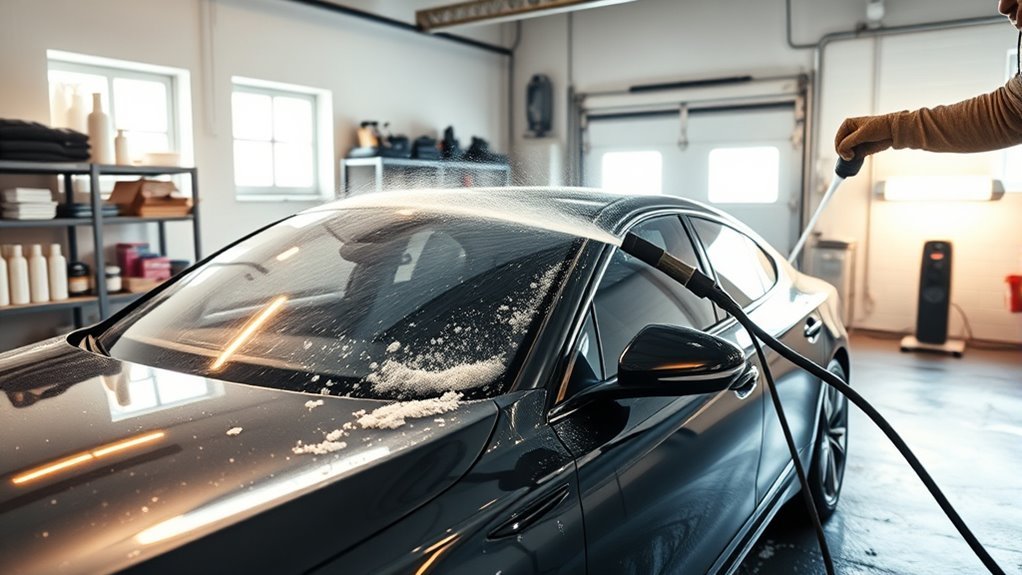
Choosing to wash your car in a sheltered or indoor area keeps water from freezing on its surface, especially when temperatures drop to around 20°F.
An indoor wash in heated bays or garages provides a warm environment, preventing water freezing during winter washing.
This sheltered area shields your vehicle from cold weather elements like wind chill and drafts that speed up ice formation.
Using warm water in these heated bays improves cleaning efficiency while reducing ice risks.
Additionally, washing indoors limits your car’s exposure to snow and slush, which often carry corrosive road salt.
This method not only makes winter washing safer but also offers better vehicle protection by minimizing paint damage and corrosion caused by harsh cold weather conditions.
Work Quickly to Prevent Freezing
Washing your car indoors helps reduce freezing risks, but you still need to act fast to keep water from turning to ice.
In 20-degree weather, water can freeze on contact within seconds, so you must quickly wash small sections using warm water to prevent freezing.
Prepare all your supplies beforehand to avoid any delay during the process.
Keep towels and tools within reach to dry each area immediately, minimizing moisture that could freeze.
- Use warm water to help prevent freezing faster.
- Wash and dry one small section at a time.
- Have all your supplies ready to avoid delays.
- Keep towels and tools within arm’s reach.
Thoroughly Dry All Surfaces Immediately
You’ll want to dry every surface right after washing to stop water from freezing on your car.
Grab high-quality microfiber towels or a chamois to soak up any leftover moisture quickly.
Focusing on this step helps protect your vehicle and keeps ice from forming where you don’t want it.
Prevent Water Freezing
Although washing your car in freezing temperatures is necessary, you must dry every surface immediately to prevent water from turning into ice.
To stop water freezing on your vehicle, focus on moisture removal with effective drying techniques. Use microfiber towels and blowers to dry your car thoroughly, especially in tricky spots where residual water hides.
Trapped moisture in door seals, locks, and crevices can quickly cause ice formation if left unattended.
Keep these tips in mind:
- Use microfiber towels and blowers to dry all surfaces quickly.
- Target door seals, locks, windows, and crevices to eliminate trapped moisture.
- Apply compressed air or a heat gun cautiously for hard-to-reach areas.
- Slightly open doors or trunk post-drying to release any remaining moisture.
Following this routine prevents water freezing and protects your vehicle during cold washes.
Use High-Quality Towels
To keep ice from forming after a cold-weather wash, drying your car thoroughly is key—and using high-quality microfiber towels makes a big difference.
These towels absorb water efficiently and help dry surface areas quickly while preventing streaks.
Focus on door seals, locks, and crevices to remove trapped moisture that can freeze and cause damage.
Use multiple microfiber towels to ensure complete moisture removal.
For tight spots, compressed air or a blower can help finish the job.
| Area to Dry | Recommended Tool |
|---|---|
| Car body surface | High-quality microfiber towels |
| Door seals | Plush microfiber towels |
| Locks | Small microfiber towels |
| Crevices | Compressed air or blower |
| Sensitive spots | Multiple microfiber towels |
Open Doors and Trunk to Release Trapped Water
When washing your car in cold weather, cracking open the doors and trunk lets trapped water escape before it has a chance to freeze.
This simple step helps drain moisture that often gets trapped in seals and hinges, reducing the risk of ice buildup.
Leaving the doors and trunk slightly open allows water to drain out and air to circulate, preventing freezing.
To effectively release trapped water:
- Open doors and trunk slightly to drain excess water.
- Let trapped moisture escape from seals and hinges.
- Prevent ice formation that can jam doors or trunk.
- Avoid damage from ice expanding inside tight spaces.
Consider Waterless Wash Alternatives in Extreme Cold
If temperatures drop below freezing, you can skip traditional car washes by using waterless wash products designed to work effectively in extreme cold.
These waterless washes contain lubricants that lift dirt without water, making them perfect when cold temperatures cause water to freeze on your vehicle.
When you wash my car using these products, you avoid hoses and buckets that could leave water to freeze, preventing ice buildup.
Properly applying waterless wash with microfiber towels ensures quick drying and thorough cleaning, minimizing moisture that might freeze later.
Since temperature affects car surfaces by promoting ice formation, waterless wash alternatives offer a smart solution for car care during extreme cold.
This method helps you maintain your vehicle without risking freeze-related damage or hassle.
Frequently Asked Questions
Can You Wash Your Car in 20 Degree Weather?
You can wash your car in 20-degree weather, but you shouldn’t use regular water.
Instead, try waterless or rinseless wash products to avoid freezing and damage.
Be careful around locks and seals to prevent ice buildup.
What Is Considered Too Cold for a Car Wash?
You shouldn’t wash your car when temperatures drop below 25°F (-4°C).
At these cold levels, water can freeze quickly on your car, causing damage to the paint, locks, and seals.
This makes washing unsafe and ineffective.
How to Clean a Car When It’s Below Freezing?
Sure, freezing your fingers off sounds fun, but instead, use warm water.
Wash in a heated garage, dry immediately, or try waterless cleaners.
That way, your car stays clean without turning into an ice sculpture.
Can You Run the Washer When It’s Below Freezing?
You shouldn’t run a standard washer below freezing because water can freeze inside, damaging hoses and pumps.
Only use heated or winter-rated washers designed for cold weather to avoid malfunctions and ice buildup on your car.
Conclusion
When winter’s chill bites, don’t let frost freeze your shine.
With warm water in hand and quick, careful moves, you’ll dance through the cold, leaving no icy trace behind.
Dry every nook like a gentle breeze sweeps through, opening doors to let trapped drops escape.
Even in biting cold, your car can sparkle—just follow these steps.
You’ll turn a frosty chore into a smooth, shining rhythm.
—
In freezing temperatures, washing your car can feel like a daunting task.
But with the right approach, you can keep your vehicle looking great despite the winter weather.
Remember to use warm water, work quickly, and dry thoroughly to prevent any icy buildup.
With these tips, you’ll ensure your car shines brilliantly even in 20-degree weather.
Don’t let the cold deter you—embrace the challenge and enjoy the process!
Your car deserves to look its best, no matter the season.