How Does a Weather Glass Work Step by Step
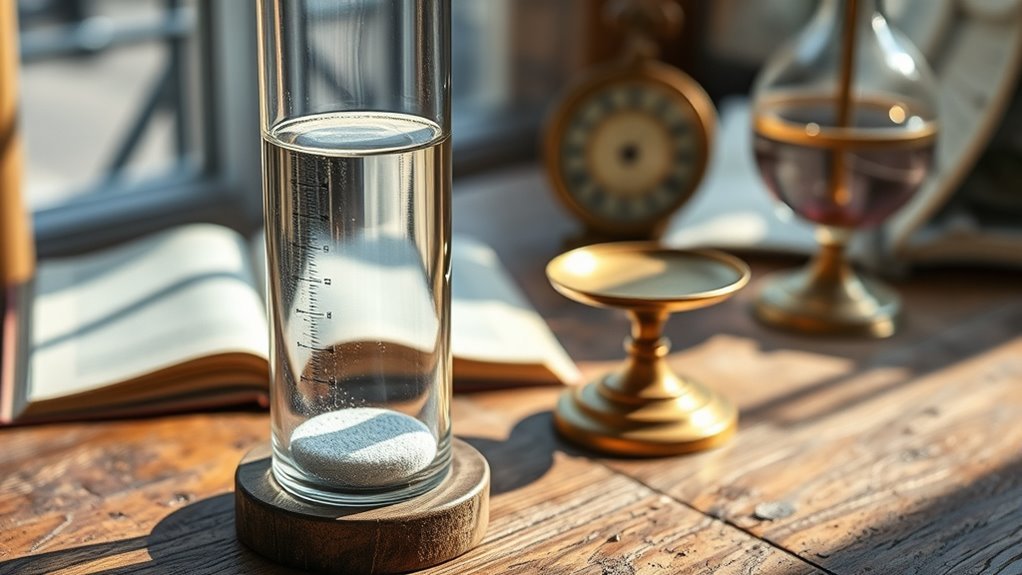
A weather glass is a fascinating instrument that responds to temperature changes inside its sealed liquid mixture.
As temperatures drop, the chemicals inside become less soluble. This process causes crystals to form and grow slowly, revealing frost, storm, or cold weather patterns.
When the temperature rises, those crystals dissolve back into the solution.
To observe these changes clearly, it’s important to keep your weather glass in a stable, shaded spot.
By following along, you’ll learn how to interpret these patterns and care for your glass properly.
Stay tuned to uncover the secrets of this unique weather predictor!
What Is Inside a Weather Glass?
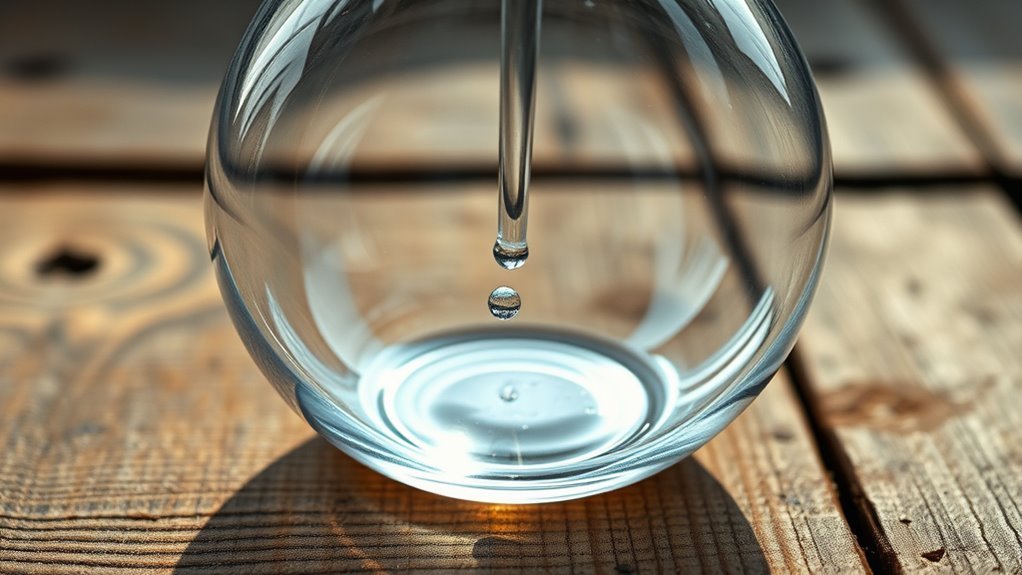
What exactly fills a weather glass and makes it so sensitive to changes?
Inside, you’ll find a sealed glass tube containing a carefully balanced mixture of distilled water, ethanol, and chemical salts like potassium nitrate, ammonium chloride, and camphor.
These chemical salts dissolve in the liquid, forming a transparent solution that reacts to atmospheric conditions.
The typical composition includes specific amounts—about 2.5 grams each of potassium nitrate and ammonium chloride, 33 mL of distilled water, 40 mL of ethanol, and 10 grams of natural camphor.
Sometimes, impurities or colorants in the mixture give the liquid a slight tint or cloudiness.
As atmospheric conditions shift, the chemicals interact within the solution, causing crystals to form or the liquid’s appearance to change.
This makes the weather glass a sensitive indicator.
How Temperature Affects Crystal Formation
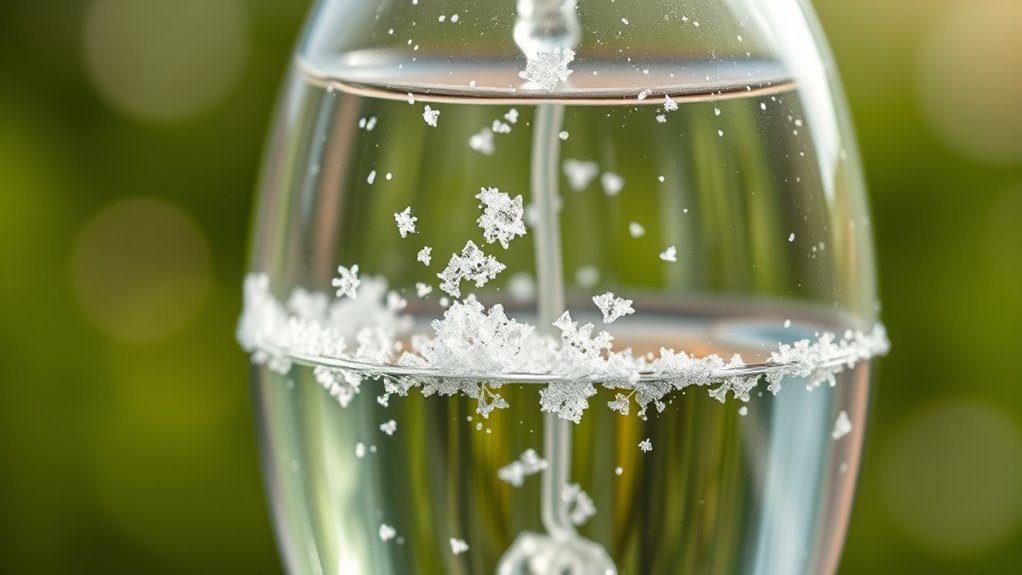
You’ll notice that as the temperature drops, the chemicals inside the glass become less soluble, causing crystals to grow.
These crystal patterns change slowly, reflecting shifts in temperature rather than sudden weather changes.
Temperature and Solubility
How exactly does temperature influence the crystal patterns you see inside a weather glass?
Temperature directly affects the solubility of the dissolved compounds in the liquid, such as potassium nitrate and ammonium chloride.
When the temperature drops, solubility decreases, causing solutes to come out of solution and initiate crystal formation.
Lower thermal energy slows molecular movement, allowing crystals to form and grow more easily.
As temperature rises, solubility increases, and the crystals dissolve back into the solution, shifting the equilibrium.
This continuous chemical reaction between dissolved compounds and crystals creates the dynamic patterns inside the glass.
Crystal Growth Dynamics
Although crystal formation might seem instantaneous, the growth inside a weather glass happens gradually as temperature shifts alter the solubility of its chemical mixture.
When temperatures drop, solubility decreases, triggering crystal nucleation and initiating crystal growth. Conversely, rising temperatures increase solubility, causing crystal dissolution.
You’ll notice that temperature fluctuations drive the crystal dynamics, influencing both crystal size and shape.
Here’s how it unfolds:
- Supersaturation occurs as solubility falls, prompting crystals to form and grow.
- Crystal growth proceeds slowly, reflecting gradual temperature trends over hours or days.
- As temperature rises, crystals dissolve back into the solution, resetting the cycle.
Thermal Influence on Patterns
When temperatures drop, the chemicals inside a weather glass become less soluble, causing crystals to form and settle along the bottom or sides.
This change in solubility drives the crystallization process, creating distinct crystal patterns that reflect sustained temperature shifts.
As temperature rises, the crystals gradually dissolve, clearing the liquid’s appearance.
You’ll notice specific crystal patterns, like star-like formations or large flakes, correspond to certain temperature ranges and weather conditions.
These patterns don’t form instantly; they develop over hours or days, providing a visual record of temperature-driven changes.
The overall cycle of crystal formation and dissolution depends almost entirely on temperature shifts, with little effect from air pressure or electrical factors.
Understanding this thermal influence helps you interpret the weather glass’s changing appearance accurately.
Interpreting Different Crystal Patterns
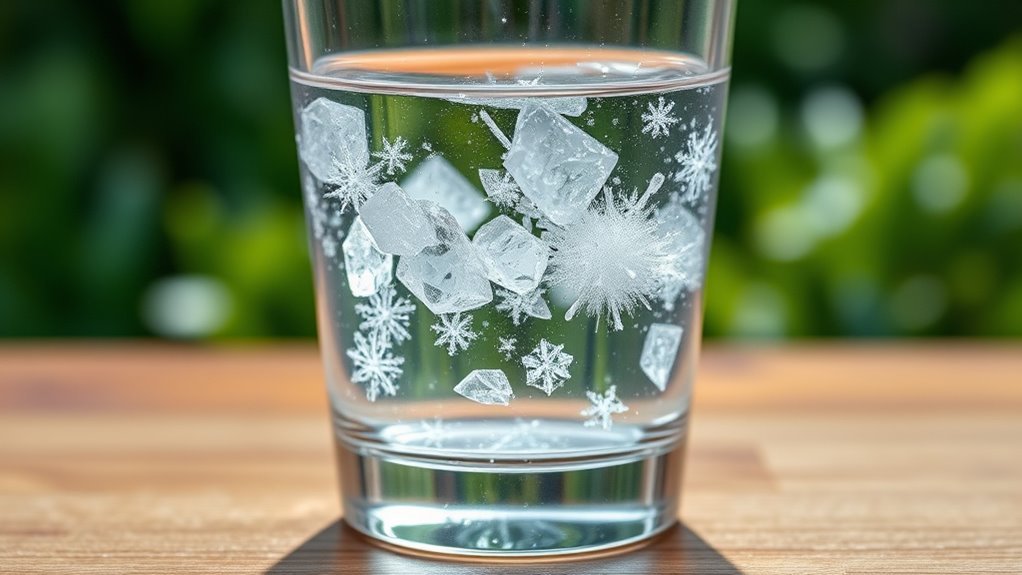
As you observe the crystal formations inside a weather glass, you’ll notice distinct patterns like small dots, large flakes, or fern-like shapes that serve as clues to upcoming weather conditions.
These crystal patterns help you interpret environmental shifts and predict the forecast. Here’s what to look for:
Crystal patterns reveal environmental changes, offering valuable hints to anticipate upcoming weather conditions.
- Small star-shaped crystals often signal thunderstorms or snow, depending on humidity and temperature.
- Large flakes or crystals collecting at the bottom usually indicate frost or cold weather approaching.
- Wispy threads near the top act as storm indicators, hinting at wind or an incoming storm.
The Role of Solubility in the Weather Glass
The crystal patterns you observe inside a weather glass don’t appear randomly—they result from changes in the solubility of the chemicals within the liquid.
As temperature shifts, the solubility of the chemical compounds fluctuates, triggering crystal formation or dissolution.
When the temperature drops, solubility decreases, causing crystals to precipitate out of the liquid.
Conversely, warmer conditions increase solubility, making crystals dissolve back into the solution.
These chemical reactions respond directly to environmental changes, creating distinct crystal patterns.
Because these patterns depend on temperature-driven solubility, they serve as a natural weather indication tool.
Proper Placement for Accurate Observation
To get accurate readings from your weather glass, place it in a stable spot away from direct sunlight, drafts, or heating vents that could cause temperature swings.
Set it at eye level near a window with steady natural light for easy viewing.
Make sure it stays still and clean to keep the crystal patterns clear and reliable.
Ideal Location Selection
When you place your weather glass, choose a spot with stable, moderate temperatures that won’t expose it to direct sunlight, drafts, or heat sources.
The ideal location ensures the stability of the crystal formations by minimizing temperature fluctuations and environmental disturbances.
For suitable placement, consider these three key factors:
- Position your weather glass at eye level on a stable shelf or table to observe changes easily without moving it.
- Select a place with consistent, indirect light—preferably shade—to clearly see the crystals without glare or harsh shadows.
- Avoid areas prone to vibration or sudden movement, as shaking can disrupt the crystal structure and affect accuracy.
Careful attention to location and environmental stability guarantees reliable readings from your weather glass.
Avoiding Environmental Interference
Although you might be keen to check your weather glass often, placing it in a stable spot away from direct sunlight, drafts, and heat sources will help keep its readings accurate.
Proper placement is essential to minimize environmental interference that can cause temperature fluctuations and disrupt crystal formation.
Position your storm glass at eye level on a shelf or windowsill with minimal airflow to avoid external influences like wind or air pressure changes.
Avoid moving or shaking it, as sudden movements can dissolve existing crystals, affecting observation consistency.
Ensuring stability in the environment and maintaining a steady ambient temperature allows your weather glass to react naturally and slowly.
This provides more reliable and consistent weather predictions.
Thoughtful placement improves your weather glass’s accuracy and overall performance.
Common Misconceptions About Weather Glasses
Many people think weather glasses predict storms by showing specific crystal patterns, but they actually react mainly to temperature changes, not air pressure.
You should know several misconceptions about these fascinating devices:
Common myths about weather glasses reveal they respond to temperature, not predict exact weather events.
- Crystals inside the glass don’t directly forecast precise weather events; their formation depends largely on temperature, not air pressure.
- Chemical reactions within the glass respond primarily to temperature shifts rather than electrical signals or atmospheric pressure changes.
- Shaking the glass might disrupt crystal formation, reducing weather prediction accuracy instead of resetting it.
Understanding the chemical composition and crystal formation helps you see why relying on weather glasses for scientific accuracy is misguided.
Instead, appreciate them as decorative items with intriguing chemical reactions—not as precise weather instruments.
Historical Significance and Use of Weather Glasses
Understanding the limits of weather glasses today doesn’t mean their historical role was insignificant.
In the 19th century, storm glasses gained fame as practical tools for weather prediction, especially during sea voyages.
Admiral FitzRoy, known for sailing with Charles Darwin, championed their use to anticipate atmospheric changes and storms.
You’d find these devices aboard ships and in coastal communities, where they helped people prepare for shifting weather.
The changing crystals inside the storm glass sparked scientific curiosity, symbolizing early efforts to decode nature’s signals.
Though they lacked precise accuracy, their place in weather prediction history remains important.
When you use a weather glass now, you’re connecting with a long tradition of maritime and meteorological exploration from a fascinating era.
Tips for Maintaining Your Weather Glass
How can you keep your weather glass working accurately over time?
Maintaining the stability of your weather glass is key to preserving its crystal formation and crystallization patterns. Here are three essential tips:
- Place it in a stable environment away from direct sunlight, heaters, or air conditioners. This helps prevent temperature fluctuations that can disrupt crystal formation.
- Handle the glass gently to avoid shaking or jarring. Disturbing the liquid can negatively affect the growth of the crystals.
- Keep the exterior clean with a soft, dry cloth. Also, ensure the glass is properly sealed to prevent impurities from contaminating the liquid.
Frequently Asked Questions
How Does Weather Glass Work?
You watch crystals form or dissolve inside the weather glass as temperature changes.
When it’s colder, crystals grow; when it’s warmer, they disappear.
These patterns help you predict weather like frost, rain, or wind.
How to Get a Storm Glass to Work?
Did you know storm glasses were popularized in the 1800s?
To get yours working, keep it stable. Avoid direct sunlight, and be patient as crystals slowly form, revealing weather changes over hours or days.
How to Read a Storm Glass Weather Predictor?
You read a storm glass by observing its liquid and crystal changes daily.
Clear liquid means fair weather, while cloudy signals rain.
Dots indicate fog, and feather-like crystals warn of storms.
It’s a good idea to compare these patterns with forecasts for accuracy.
What’s the Liquid Inside a Storm Glass?
You’ll find a mix of distilled water, ethanol, potassium nitrate, ammonium chloride, and camphor inside a storm glass.
This blend reacts to temperature changes, causing crystals to form or dissolve.
It hints at upcoming weather shifts.
Conclusion
Now that you’ve uncovered the subtle dance inside your weather glass, you’re ready to read nature’s quiet whispers.
Each delicate crystal tells a gentle story of shifting skies and changing moods, inviting you to become a patient observer.
With a little care and the right spot, your weather glass becomes more than a tool—it’s a charming companion.
It guides you through the unseen rhythms of the world outside, one graceful pattern at a time.
In conclusion, your weather glass is not just an instrument for predicting weather changes; it’s a beautiful way to connect with nature.
As you observe its movements, you’ll gain insights into atmospheric conditions and enjoy the artistry of the crystals.
So, embrace this elegant tool, and let it enhance your understanding of the weather in your environment.