
Does Cold Weather Affect Rheumatoid Arthritis and How to Manage It
Yes, cold weather can worsen your rheumatoid arthritis by increasing joint stiffness, swelling, and pain. This happens due to thicker synovial fluid and reduced blood flow.
To manage these symptoms, dress warmly in layers.
Using heat therapy, like warm baths or heating pads, can also provide relief.
Staying active with gentle indoor exercises is essential.
Drinking enough water and eating anti-inflammatory foods can help alleviate discomfort.
Additionally, sharing winter chores can prevent joint strain.
If you want to better support your joints during the cold months, there’s more you can do.
How Cold Weather Influences Rheumatoid Arthritis Symptoms

Although cold weather can be challenging for anyone, it especially affects those with rheumatoid arthritis by increasing joint stiffness and swelling.
Cold weather often worsens joint stiffness and swelling for those with rheumatoid arthritis.
When temperatures drop, the synovial fluid in your joints thickens, reducing its ability to lubricate and protect, which leads to more joint pain.
Additionally, lower barometric pressure during cold spells can trigger flare-ups, making your symptoms worse.
You might notice your joints feel stiffer and more swollen as these environmental changes impact your condition.
This combination of thickened synovial fluid and shifting barometric pressure places extra stress on your joints, intensifying discomfort.
Understanding how these factors influence your symptoms can help you better prepare and manage your rheumatoid arthritis during colder months.
The Role of Synovial Fluid and Blood Flow in Winter Joint Pain
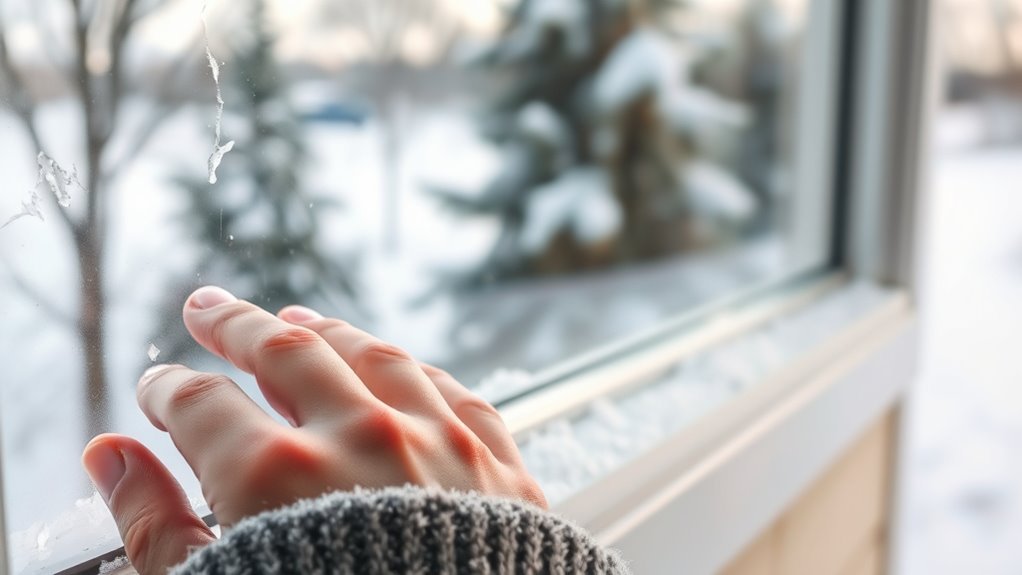
When cold weather hits, the synovial fluid in your joints thickens, making movement feel stiff and uncomfortable.
At the same time, reduced blood flow limits the nutrients reaching your joint tissues and slows waste removal. This can increase pain and inflammation.
Keeping your joints warm helps maintain better circulation and fluid consistency, easing winter joint discomfort.
Synovial Fluid Changes
Because cold weather thickens your synovial fluid, its ability to lubricate your joints decreases. This can make them feel stiff and sore.
This thickening directly contributes to joint stiffness that’s common in colder months, especially if you have rheumatoid arthritis. When synovial fluid becomes less viscous, it can’t cushion your joints as effectively, resulting in discomfort and restricted movement.
Here’s what happens with synovial fluid in cold weather:
- It thickens, reducing lubrication between joint surfaces.
- Joints lose flexibility, which increases stiffness and pain.
- Inflammation worsens as waste removal slows down.
Understanding these changes helps you manage winter joint pain better.
Keeping your joints warm can maintain synovial fluid’s proper consistency, which eases stiffness and improves mobility during cold spells.
Impact of Blood Circulation
The thickening of synovial fluid in cold weather is only part of why your joints feel stiff and painful during winter.
Cold temperatures cause your blood vessels to constrict, reducing blood flow and circulation to your joints.
This decrease in circulation limits the delivery of oxygen and nutrients, which can worsen inflammation and joint damage.
As a result, you experience increased joint stiffness and discomfort.
Additionally, muscles around your joints tighten in the cold, further restricting blood flow and amplifying pain.
To manage this, keeping your body warm with proper clothing and using heat therapy can improve circulation and ease stiffness.
Dressing Strategies to Maintain Joint Warmth Outdoors
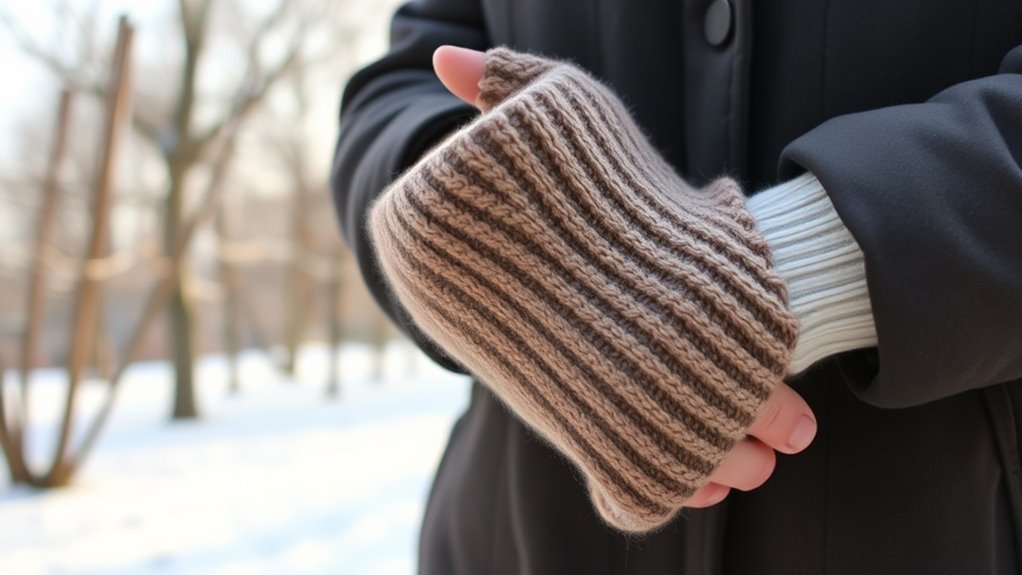
Although cold weather can worsen joint stiffness, you can reduce discomfort by dressing strategically to keep your joints warm outdoors.
Cold weather can increase joint stiffness, but smart layering outdoors helps ease discomfort and keep joints warm.
Wearing layered warm clothing traps heat, boosting joint warmth and preventing stiffness. Outdoor protection is key—choose insulated, waterproof jackets with adjustable hoods to shield yourself from cold wind and rain.
Don’t forget to cover your extremities; arthritis-friendly gloves, mittens, and warm socks help retain heat and reduce flare-ups.
Layer thermal shirts and sweaters to lock in warmth.
Wear wind-resistant, breathable outerwear for comfort and protection.
And use hats, scarves, and neck warmers to prevent heat loss from your head and neck.
These dressing strategies help you stay comfortable and protect your joints from the harsh effects of cold weather.
Benefits of Low-Impact Exercise During Cold Months
When cold weather limits your outdoor activities, low-impact exercises like swimming, walking, and yoga help keep your joints flexible without causing extra strain.
These exercises maintain joint mobility by increasing blood flow and releasing endorphins, which ease rheumatoid arthritis pain and stiffness.
In cold weather, indoor low-impact exercises provide a safe way to stay active, reducing the risk of joint flare-ups caused by chilly, damp conditions.
Regular, gentle movement improves flexibility and muscle strength, supporting weakened joints and preventing stiffness during winter months.
Effective Use of Heat Therapy Indoors
If you want to ease joint stiffness and pain during cold months, using heat therapy indoors can be highly effective.
Applying heat therapy increases blood flow to your affected joints, helping reduce stiffness and joint pain. You can use heating pads, warm compresses, or even soak in a warm bath to relax muscles and improve mobility.
Remember to protect your skin by placing a towel between it and the heat source. Also, limit sessions to 15-20 minutes to avoid burns.
- Use a heating pad wrapped in a towel on sore joints.
- Take warm baths to soothe full-body discomfort.
- Apply heat therapy regularly to decrease muscle tension.
These simple steps can make managing cold-weather symptoms much easier.
Importance of Staying Hydrated and Nourished in Winter
You need to keep your body well-hydrated to maintain joint lubrication and reduce stiffness during cold weather.
Eating nutrient-rich foods, especially those high in Vitamin D and omega-3s, supports your immune system and helps control inflammation.
Staying consistent with hydration and nutrition is key to managing rheumatoid arthritis symptoms throughout winter.
Hydration’s Role in Rheumatoid
Because cold weather and indoor heating can dry out the air, staying well-hydrated becomes essential for managing rheumatoid arthritis symptoms.
Proper hydration helps maintain synovial fluid viscosity, which lubricates your joints and reduces stiffness.
When you’re dehydrated, joint pain and inflammation can worsen because nutrient delivery and waste removal in joint tissues slow down.
Drinking enough fluids supports your immune system, helping to keep inflammation under control.
To make hydration a habit this winter, try to:
- Sip water regularly, even if you don’t feel thirsty.
- Include warm herbal teas to stay cozy and hydrated.
- Avoid excessive caffeine or alcohol, which can dry you out.
Keeping up with hydration plays a key role in easing RA symptoms during cold months.
Nutrient Needs in Winter
Although winter’s chill can be harsh, maintaining proper hydration and nutrition plays a crucial role in managing rheumatoid arthritis symptoms during this season.
You might not feel as thirsty, but dehydration is common in cold weather due to dry indoor air and reduced thirst sensation.
Staying well-hydrated helps keep your joints lubricated by maintaining synovial fluid, which reduces stiffness and pain.
Alongside hydration, focusing on a healthy diet rich in vitamin D and essential nutrients supports your immune system and lessens inflammation.
Vitamin D and calcium are especially important for bone strength during winter.
Foods Supporting Joint Health
Maintaining proper hydration and nutrition sets the foundation for supporting joint health during winter.
Staying hydrated keeps your synovial fluid lubricated, reducing stiffness in cold weather. Nourishing your body with omega-3 fatty acids and vitamin D-rich foods helps decrease inflammation and supports your immune system. This is vital for managing rheumatoid arthritis symptoms.
Include these foods in your winter diet to boost joint health:
- Salmon, walnuts, and flaxseeds for omega-3 fatty acids to fight inflammation.
- Fortified dairy products, eggs, and fatty fish as excellent vitamin D sources.
- Plenty of water and hydrating fluids to maintain joint lubrication.
Stay warm and eat well!
Avoiding Joint Strain by Sharing Winter Chores
When you share winter chores like snow shoveling or leaf raking, you reduce the strain on your joints.
This lowers the risk of worsening rheumatoid arthritis symptoms.
Sharing chores helps distribute physical stress, which prevents joint strain caused by overexertion.
Enlisting help for high-impact tasks protects vulnerable joints.
Plus, it minimizes the risk of injury.
Using ergonomic tools further supports joint health during these activities.
| Winter Chore | Benefit of Sharing Chores |
|---|---|
| Snow Shoveling | Reduces joint strain and fatigue |
| Leaf Raking | Distributes effort, lowers pain |
| Using Ergonomic Tools | Enhances safety, minimizes injury |
Adapting Your Lifestyle to Seasonal Changes
As temperatures drop, you can adapt your lifestyle to ease rheumatoid arthritis symptoms by keeping your body warm with layered clothing and thermal accessories.
Cold weather tends to increase joint stiffness, so it’s essential to keep your joints cozy and active.
Cold weather can stiffen joints, making warmth and regular movement vital for comfort and mobility.
To manage arthritis effectively during seasonal shifts, consider these steps:
- Layer your wardrobe with thermal undergarments, hats, and gloves to retain warmth and reduce discomfort.
- Engage in indoor exercises such as yoga, stretching, or swimming to maintain flexibility and prevent stiffness.
- Modify your home by sealing drafts and using space heaters to create a warm environment that supports joint health.
Collaborating With Healthcare Providers for Optimal Winter Care
Because cold weather can worsen rheumatoid arthritis symptoms, staying in close contact with your healthcare providers is essential for effective winter care.
Make sure to schedule an appointment before winter sets in to review your treatment plan. Your rheumatologist can adjust medications like DMARDs or biologics to better control arthritic pain during cold months.
Regular check-ups also help monitor Vitamin D levels, which impact RA activity.
Discuss non-medication strategies such as physical therapy or heat therapy to manage symptoms more effectively.
Collaborating closely with your healthcare team lets you catch early signs of increased joint inflammation linked to cold weather, allowing for prompt intervention.
Frequently Asked Questions
How to Help Rheumatoid Arthritis in Cold Weather?
You can help rheumatoid arthritis in cold weather by wearing layers, using heating pads, and doing gentle indoor exercises.
Keeping your home warm is also essential.
Additionally, boosting your vitamin D intake can help reduce stiffness, pain, and flare-ups effectively.
Where Is the Best Place to Live With Rheumatoid Arthritis?
You’ll want to live in a warm, dry climate like Arizona or parts of California.
These areas minimize joint pain triggers, but try visiting first to see how your symptoms respond to different seasons and humidity levels.
How to Put Rheumatoid Arthritis Into Remission Naturally?
You can put rheumatoid arthritis into remission naturally by eating anti-inflammatory foods, exercising gently, managing stress with meditation,
getting enough sleep, maintaining a healthy weight, and considering supplements like turmeric or boswellia under your doctor’s guidance.
Making these lifestyle changes can significantly impact your overall well-being.
It’s always a good idea to consult with a healthcare professional before making any major adjustments to your routine.
Why Does Rheumatoid Arthritis Get Worse in Winter?
They say, “Cold hands, warm heart,” but for you, winter’s cold thickens joint fluid and lowers circulation, making RA flare-ups worse.
Staying active and dressing warmly can help you manage those painful symptoms effectively.
Conclusion
Think of your joints in cold weather like a car engine on a frosty morning—it needs time, warmth, and care to run smoothly.
Just as you wouldn’t rush a cold engine, you shouldn’t push your joints without preparation.
By dressing warmly, staying active with gentle exercises, and keeping in close touch with your healthcare provider, you’ll help your rheumatoid arthritis “engine” thaw and perform better all winter long.
You’ve got this—one warm step at a time.
In conclusion, managing rheumatoid arthritis during cold weather is crucial for maintaining joint health and comfort.
Remember to dress warmly, engage in gentle exercises, and regularly communicate with your healthcare provider.
Taking these steps can significantly improve your winter experience, helping your joints function better despite the chilly temperatures.
Stay proactive and prioritize your well-being this winter!