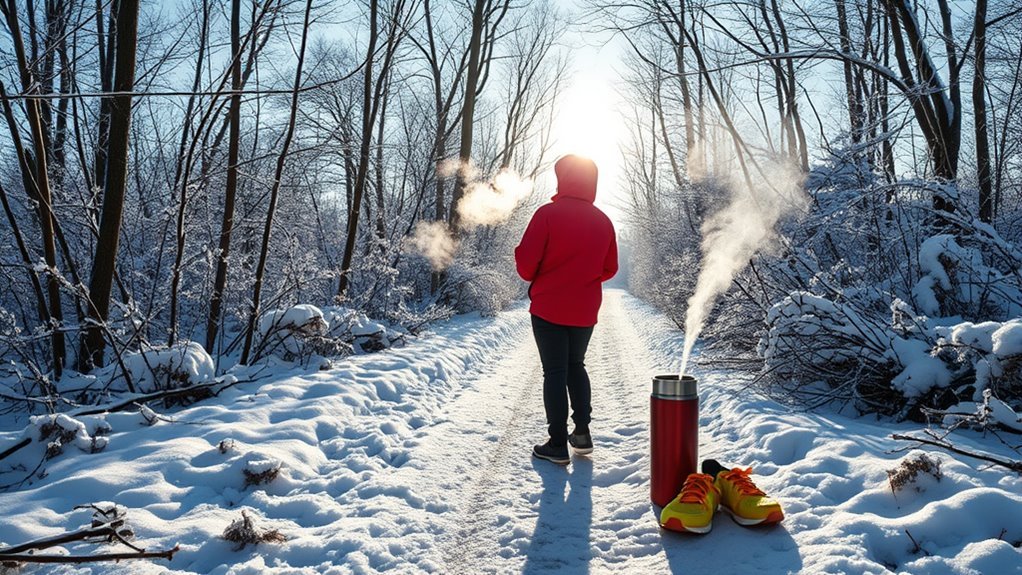
Does Cold Weather Make You Tired and How Can You Boost Your Energy
Yes, cold weather can make you feel tired. The shorter daylight hours disrupt your sleep cycle, and your body expends extra energy to maintain warmth.
Additionally, people tend to move less in colder months and often get less vitamin D, both of which contribute to feelings of fatigue.
But don’t worry; there are ways to boost your energy during these chilly times.
To start, staying active is key. Engage in regular physical activity to keep your energy levels up.
Also, maintaining a consistent sleep routine can significantly help.
Eating balanced meals that are rich in vitamin D is crucial, too.
Lastly, try to get natural light whenever possible, as it can do wonders for your mood and energy.
For deeper tips on feeling energized all winter, keep exploring effective strategies!
Why Cold Weather Contributes to Fatigue
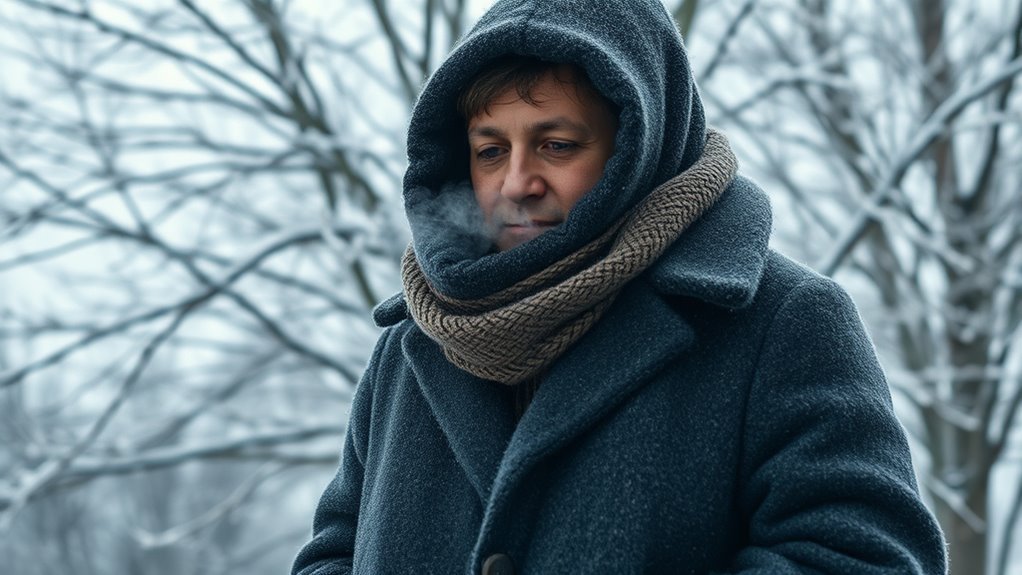
Although cold weather may seem invigorating at first, it often drains your energy by disrupting your body’s natural rhythms and reducing physical activity.
With less natural light and daylight exposure in winter, your circadian rhythm gets thrown off, leading to fatigue and sleep disruption.
You might find it harder to fall asleep or stay asleep, which hurts your sleep quality and leaves you feeling tired during the day.
Plus, cold weather encourages you to move less, further lowering your energy levels.
Your body also uses extra energy to maintain core temperature in the cold, adding to your tiredness.
On top of that, reduced sunlight means less vitamin D production, which is linked to low energy and increased fatigue.
All these factors combine to make cold weather a real energy drainer.
Lifestyle Changes to Increase Winter Energy

When winter saps your energy, making intentional lifestyle changes can help you feel more vibrant and alert.
Prioritize exposure to natural light by spending time outdoors or near windows to regulate your circadian rhythm. Stick to a consistent sleep schedule and establish a calming bedtime routine to support adequate sleep, which is essential in combating seasonal affective symptoms.
Boost your mood by embracing natural light and a consistent, calming sleep routine.
Staying active with at least 30 minutes of exercise daily boosts circulation and reduces fatigue. Nourish your body with a balanced diet rich in fruits, vegetables, whole grains, and lean proteins to sustain energy.
Incorporate herbal teas to relax and enhance your routine. These lifestyle changes not only uplift your mood but also help you maintain steady energy levels throughout the winter months.
Sleep Strategies for Better Rest in Winter

To get better rest during winter, you should maintain a consistent sleep schedule every day, including weekends.
This helps regulate your circadian rhythm.
Establish a relaxing routine before bedtime, like reading or meditation, to improve sleep quality and signal your body for restorative sleep.
Limiting disruptions is also key. Keep your room cool, dark, and quiet by using blackout curtains and avoiding screens.
Exposure to natural light during the day supports your sleep-wake cycle.
Practicing relaxation techniques can reduce stress and help you ease into sleep faster.
| Strategy | Benefit | Tip |
|---|---|---|
| Consistent schedule | Regulates circadian rhythm | Same bedtime & wake time daily |
| Relaxing routine | Prepares body for sleep | Reading, calming music |
| Sleep environment | Reduces disruptions | Cool, dark, quiet room |
| Relaxation techniques | Decreases stress | Deep breathing, meditation |
Nutritional Tips to Combat Winter Tiredness
Since shorter days and colder weather can drain your energy, focusing on nutrition is essential to fight winter tiredness.
Boost your intake of vitamin D through oily fish and fortified cereals to counteract winter fatigue caused by less sunlight.
Choose complex carbohydrates like sweet potatoes and quinoa to provide steady energy, avoiding blood sugar dips that make you feel sluggish.
Incorporate lean proteins, nuts, and seeds to support muscle repair and maintain consistent energy levels.
Stay hydrated with water and warm drinks to keep your metabolism and mental alertness sharp.
Avoid processed snacks high in sugar and refined carbs, as they cause energy crashes and unstable blood glucose.
These nutritional tips help stabilize your blood sugar and combat winter fatigue effectively.
Professional Support for Winter Sleep Challenges
Although winter fatigue can often be managed with lifestyle changes, consulting a sleep specialist like Dr. Fox can uncover issues such as sleep apnea that worsen your symptoms.
A personalized treatment plan, including custom sleep devices, improves your sleep quality during colder months. Regular follow-up appointments ensure adjustments that address ongoing sleep disturbances.
Professional support also guides you in optimizing your sleep environment and managing stress.
| Benefit | Explanation |
|---|---|
| Sleep apnea diagnosis | Identifies hidden causes of winter fatigue |
| Personalized treatment | Tailors solutions to your specific needs |
| Follow-up appointments | Maintains effectiveness of sleep devices |
| Sleep environment advice | Enhances comfort and reduces disturbances |
Seeking expert help is vital if fatigue persists or impacts daily life.
Frequently Asked Questions
How to Get Rid of Fatigue From Cold Weather?
You can beat cold weather fatigue by staying active, getting sunlight or using a light therapy lamp, and staying hydrated.
Eating nutritious meals and dressing warmly are also important.
Plus, ensuring quality sleep can make a big difference.
These habits’ll boost your energy despite chilly conditions.
How to Beat Winter Fatigue?
You can beat winter fatigue by waking up to bright light,
moving your body daily, and sticking to a sleep routine.
Don’t underestimate these simple steps—they’ll recharge your energy and lift your mood even on the coldest days.
How Can I Boost My Energy in the Winter?
You can boost your energy in winter by getting natural light early,
staying active daily,
eating balanced meals,
drinking enough water,
and practicing relaxation techniques like deep breathing or meditation to reduce stress and improve alertness.
Why Am I so Tired in Cold Weather?
You’re tired in cold weather because your body produces more melatonin.
Your activity decreases, and less sunlight disrupts your circadian rhythm.
These factors combine, making you feel sluggish and sleepy during colder months.
Conclusion
You might notice feeling sluggish during cold months, just like Sarah, who struggled with winter fatigue until she adjusted her sleep schedule and added vitamin D-rich foods to her diet.
Cold weather can sap your energy, but by tweaking your lifestyle—prioritizing rest, eating well, and seeking professional help if needed—you can reclaim your vitality.
Don’t let winter wear you down; take charge and boost your energy to feel your best all season long.
To beat winter fatigue, focus on getting enough sleep, including foods rich in vitamin D, and consider light therapy if necessary.
Stay active indoors, drink plenty of water, and embrace hobbies that bring you joy.
With these changes, you can combat the effects of cold weather and maintain your energy levels.
So, this winter, be proactive about your well-being and enjoy the season to the fullest!