How to Use Ser or Estar for Weather in Spanish
You use ser to describe habitual or permanent weather, like seasonal traits or the typical climate—think “El invierno es frío.”
Use estar for temporary, current weather conditions, such as “Hoy está nublado” or “Está lloviendo.”
Remember, hacer often expresses general conditions like “Hace calor.”
The choice depends on whether you’re talking about lasting traits or momentary states.
Keep exploring, and you’ll soon master these subtle but important distinctions.
Understanding the Roles of Ser and Estar

When you’re describing weather in Spanish, knowing whether to use “ser” or “estar” makes all the difference.
You’ll use “ser” to talk about the general or habitual nature of weather—like seasons or typical climate patterns. It emphasizes weather as a permanent characteristic.
On the other hand, “estar” is your go-to for temporary, current weather conditions. So, when it’s cloudy or rainy right now, “estar” fits perfectly because it highlights the immediate, observable state.
Remember, “hacer” pairs with weather nouns to express phenomena like “hace calor.” But for adjectives or participles describing weather, “estar” is used.
Choosing between “ser” and “estar” shapes how you present weather—either as a lasting trait or a momentary condition.
When to Use Ser for Weather Descriptions
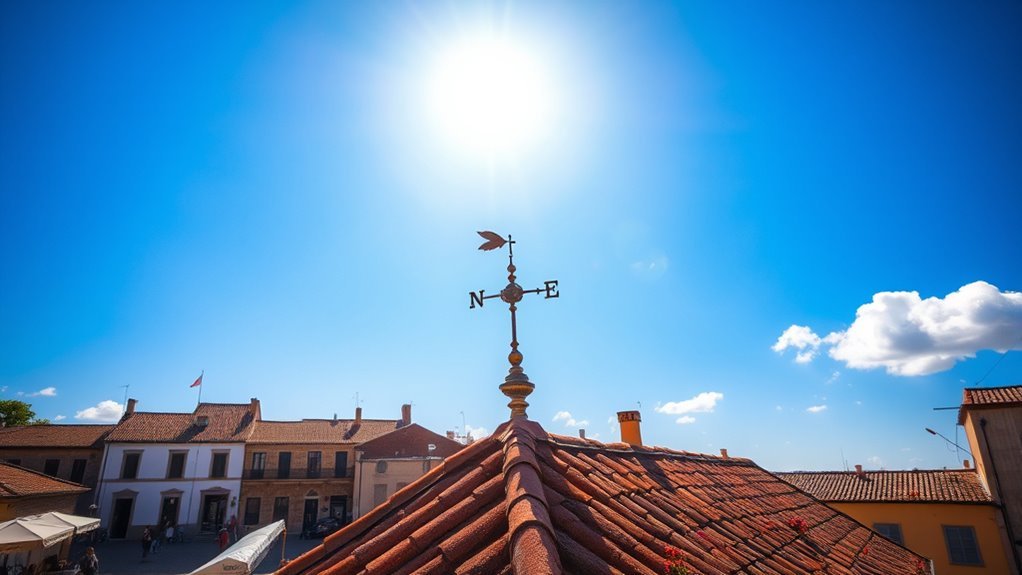
You use “ser” to describe permanent weather traits and defining characteristics of a season or place.
It highlights weather as a constant or typical feature, like how summer is hot or a climate is mild.
When talking about the usual weather during a specific time, “ser” fits perfectly.
Permanent Weather Traits
Weather patterns that define a region or season call for the verb “ser” in Spanish.
When you describe permanent weather traits, like a region’s typical climate or a season’s usual temperature, you use “ser” because it highlights the weather’s consistent nature.
For example, saying “El verano es caluroso” (Summer is hot) uses “ser” to emphasize that heat is a characteristic of summer, not just a temporary condition.
You wouldn’t use “estar” here since it’s for temporary states. Instead, “ser” fits perfectly when talking about habitual or general weather conditions – like “El clima es agradable” (The climate is pleasant).
Defining Weather Characteristics
Permanent weather traits set the stage for understanding how to describe general conditions using “ser.”
You’ll find that “ser” suits habitual or characteristic weather descriptions because it points to what the weather typically is, rather than how it might be at a particular moment.
When defining weather characteristics, use “ser” to express permanent or usual traits, like seasonal patterns or typical climates.
For example, “El clima en la costa es húmedo” highlights a lasting quality of the weather.
Avoid “estar,” which is better for temporary states.
Remember, “ser” emphasizes what the weather generally is, not just what it is currently.
This distinction helps you clearly convey enduring weather conditions instead of fleeting moments in your Spanish conversations.
Ser in Weather Time
Although it might seem tricky at first, knowing when to use “ser” for weather descriptions becomes easier once you focus on general or habitual conditions.
You use “ser” to describe weather as a constant or defining trait, like seasonal patterns or a region’s typical climate.
This means when you talk about the overall nature of the weather, “ser” is your go-to verb.
For example, “El clima en esa región es lluvioso” shows how “ser” describes habitual weather.
| Weather Aspect | Use of “Ser” Example |
|---|---|
| Seasonal pattern | En verano, el tiempo es caluroso |
| Climate trait | El clima es seco |
| Regional weather | El clima en esa región es lluvioso |
| Habitual condition | El invierno es frío |
Using Estar to Describe Temporary Weather Conditions

You use estar to talk about weather that’s temporary or changing, like when it’s sunny or cloudy right now.
Estar pairs with weather adjectives to show how conditions are at this moment.
When you want to express ongoing weather, like it’s raining or windy, estar is the right choice.
Temporary Weather States
How do you describe weather that can change at any moment?
You use estar to talk about temporary weather conditions.
When the weather shifts quickly—like when it’s cloudy, raining, or sunny—you use estar to capture that immediate, observable state.
For example, you’d say “está nublado” to mean it’s cloudy right now or “está lloviendo” if it’s currently raining.
Estar works perfectly with adjectives or participles that show the weather’s temporary nature, such as “el día está soleado” or “el viento está fuerte.”
Using estar highlights that these conditions aren’t permanent and could change by the hour or later in the day.
Estar With Weather Adjectives
When describing weather that changes from moment to moment, estar pairs naturally with adjectives like ventoso, nublado, lluvioso, and soleado.
You use estar to highlight the temporary nature of weather conditions or how the weather feels right now.
For example, you say “Está nublado” to mean it’s cloudy at this moment.
Estar emphasizes these short-term states, unlike ser, which describes permanent traits.
Here’s a quick look at common weather adjectives with estar:
| Weather Condition | Spanish Adjective | Example with Estar |
|---|---|---|
| Windy | ventoso | Está ventoso |
| Cloudy | nublado | Está nublado |
| Rainy | lluvioso | Está lluvioso |
| Sunny | soleado | Está soleado |
| Hot/Cold (feeling) | caliente/frío | Está caliente / Está frío |
Use estar to describe changing weather and temporary conditions effectively.
Expressing Current Conditions
Although weather can shift quickly, you’ll use estar to describe its current state, like saying “está soleado” or “está lloviendo.”
Estar lets you describe temporary weather conditions that change from moment to moment—like a sunny morning turning cloudy by afternoon.
When you say “Hoy está nublado,” you’re emphasizing the weather right now, not the typical climate.
Estar changes with the subject: “está ventoso” for windy or “está lloviendo” for rainy.
This verb is perfect when you want to highlight how the weather feels or looks at a specific time.
Common Weather Expressions With Ser and Estar
In discussing weather in Spanish, you’ll notice that “ser” and “estar” serve different purposes.
Use “ser” to talk about the general or habitual nature of weather, while “estar” describes temporary or current states.
Here are common expressions to keep in mind:
- “En invierno es frío” – Winter is cold (ser for characteristic weather).
- “Hoy está soleado” – Today it’s sunny (estar for current condition).
- “Es un día nublado” – It’s a cloudy day (ser for typical description).
- “Está ventoso ahora” – It’s windy right now (estar for temporary state).
These distinctions help clarify the way we describe the weather in Spanish!
The Role of Hacer and Hay in Weather Vocabulary
Understanding how to use “hacer” and “hay” will sharpen your ability to describe weather in Spanish.
You use “hacer” to talk about general weather conditions or sensations, like “hace calor” (it’s hot) or “hace viento” (it’s windy).
It expresses what the weather “does” or how it feels, especially regarding temperature or wind.
On the other hand, “hay” indicates the presence of specific weather phenomena at a moment in time, such as “hay niebla” (there is fog) or “hay lluvia” (there is rain).
Remember, “estar” is reserved for temporary weather states like “está nublado” (it’s cloudy) or “está lloviendo” (it’s raining), and it doesn’t combine with “hacer” or “hay.”
Getting these distinctions right will make your weather descriptions more natural and accurate.
Examples of Weather Conditions Using Ser and Estar
How do you decide when to use ser or estar to describe the weather?
Use ser for general or habitual weather, and estar for temporary conditions.
Here are some examples to help you picture it:
- Ser: “El clima es cálido” – the climate is warm, a usual trait.
- Estar: “Está nublado” – it’s cloudy right now.
- Ser: “En invierno, el tiempo es frío” – winter weather is cold by nature.
- Estar: “Hoy está lloviendo” – today, it’s raining, a current state.
Regional Variations and Contextual Usage
You’ve seen how using ser and estar depends on whether you’re talking about general or temporary weather.
When it comes to regional variations, things get interesting. In Spain, people often use “hacer” for general weather conditions, while in many Latin American countries, “estar” is preferred for describing current weather states.
You’ll also notice that “ser” appears more in formal or literary contexts, especially when referring to habitual or seasonal weather, like “en verano es caluroso.”
Contextual usage plays a big role, too—whether you’re describing a specific moment or the overall climate influences your choice.
Understanding these regional differences and weather expressions helps you communicate more naturally and accurately across Spanish-speaking areas.
Practice Exercises to Master Ser and Estar in Weather Contexts
Ready to sharpen your skills with ser, estar, and hacer in weather expressions?
Practice is key to mastering when to use each verb correctly in weather contexts.
Focus on these exercises:
- Fill in blanks like “Hoy ____ soleado” to decide if ser, estar, or hacer fits best.
- Match adjectives such as “nublado” or “ventoso” with ser or estar to reinforce their use.
- Translate weather sentences from English to Spanish, using ser for habitual weather and estar for temporary conditions.
- Tackle multiple-choice questions to distinguish between general climate descriptions and specific weather phenomena.
Frequently Asked Questions
Do You Use Ser or Estar for Weather?
You use “estar” for temporary weather conditions like cloudy or windy days.
Use “ser” when describing habitual or characteristic weather patterns, like typical climates or seasons.
This helps you express weather precisely in Spanish.
How to Know Whether to Use Ser or Estar?
You’ll know to use ser when the weather’s like a statue—permanent and unchanging.
Use estar when it’s like a chameleon—temporary and shifting.
Just think: permanent facts get ser, fleeting states get estar.
When to Use Hace or Esta for Weather?
You use “hace” for general weather conditions like heat or wind, expressing how the weather feels.
Use “está” for temporary states like cloudy or raining, describing the current weather you observe right now.
What Are 5 Weather Expressions in Spanish?
You’ll love these:
“Hace calor,” “Está lloviendo,” “Hay niebla,” “¡Llueve a cántaros!,” and “¡Hace un frío que pela!”
Use them to describe weather vividly and impress anyone you chat with in Spanish!
Conclusion
Now that you know when to use ser and estar for weather, picture yourself describing a sunny sky with ser’s steady tone.
Or think about a fleeting storm with estar’s shifting mood.
This skill lets you paint vivid weather scenes in Spanish, making your conversations as clear as a bright morning or as changeable as a quick rain shower.
Keep practicing, and soon you’ll express the weather like a native.
You’ll effortlessly capture its essence every time.
In conclusion, mastering the use of ser and estar for weather not only enriches your Spanish vocabulary but also enhances your ability to convey emotions and perceptions effectively.
So, whether you’re describing a sunny day or a sudden downpour, remember to choose the right verb to reflect the mood of the weather.
With continued practice, you’ll be able to share and enjoy weather-related conversations just like a local!