How Weather Affects Mobile Tire Installation: 10 Tips
When it comes to mobile tire installation, weather plays a crucial role.
Monitoring temperature shifts closely is essential, as cold air contracts tires while heat expands them, which can significantly affect tire pressure.
Additionally, it’s important to adjust procedures on wet or icy surfaces.
Keep areas clear and ensure that your team is equipped with proper safety gear to prevent accidents.
Always check tires for cold brittleness, and if needed, warm them up before installation.
Using suitable tires for the season is another key factor to consider.
Moreover, training your team on weather-specific challenges can make all the difference in ensuring safe and efficient installs.
Staying on top of these tips will help you adapt to all conditions, guaranteeing that your tire installations go smoothly no matter what Mother Nature throws your way.
Discover how to fully adapt to varying weather conditions here!
Monitor Temperature Changes to Maintain Proper Tire Pressure

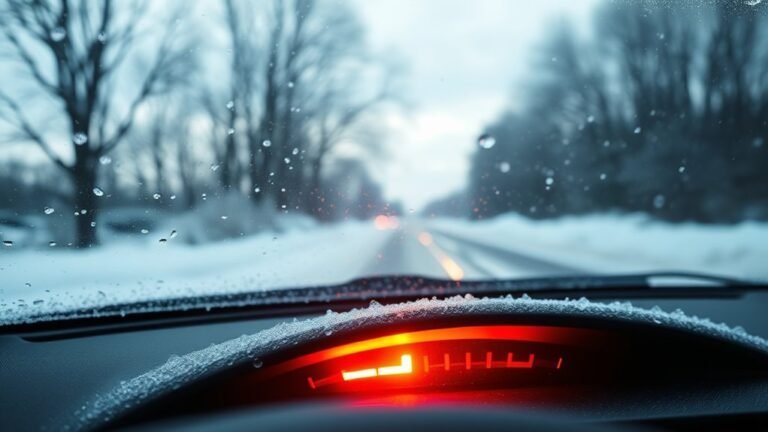
Since tire pressure drops by 1-2 PSI for every 10°F decrease, you need to check it regularly as temperatures change.
Tire pressure falls 1-2 PSI for every 10°F drop—check often with temperature changes.
Seasonal changes cause temperature fluctuations that affect tire pressure considerably.
In colder weather, the air inside your tires contracts, leading to underinflation if you don’t adjust properly.
Underinflated tires reduce safety by compromising handling and increasing wear.
Monitoring tire pressure in the early morning, before driving, ensures you get accurate readings after overnight temperature drops.
By staying on top of these temperature-related changes, you’ll maintain ideal tire pressure.
This not only enhances safety but also prolongs your tires’ lifespan, especially important in mobile tire installations where conditions vary frequently.
Keep tire pressure aligned with current temperature to avoid risks and ensure smooth performance.
Adjust Installation Procedures for Wet and Slippery Conditions
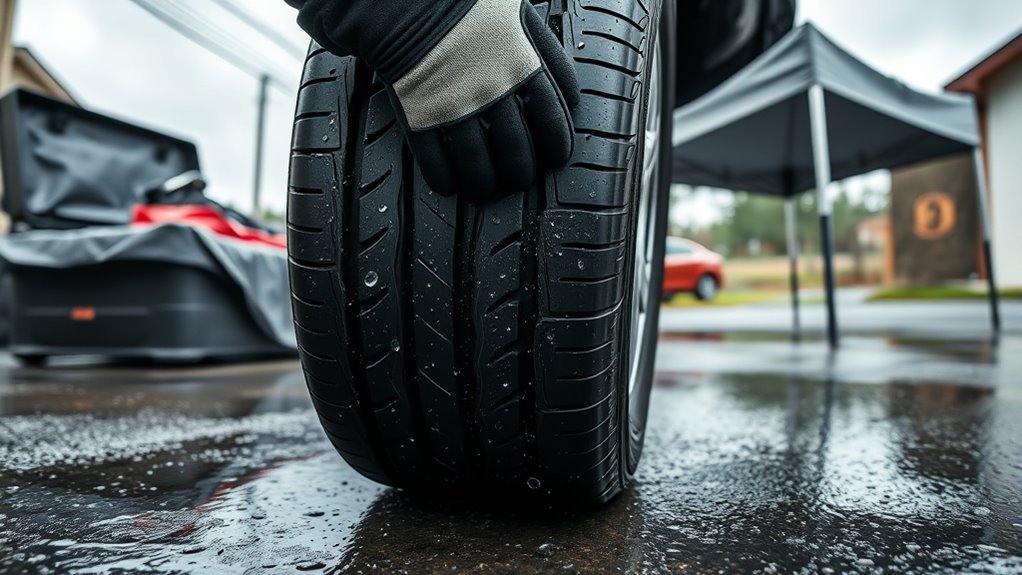
Although wet and slippery conditions pose extra challenges, you can still perform safe tire installations by adjusting your procedures carefully.
In wet conditions, always use tire chocks and wheel wedges to prevent vehicle movement.
Make sure your work area is dry and free from standing water to minimize slip hazards.
Avoid oily or greasy tools and surfaces, as they become slick and increase risks when wet.
Implement safety measures like wearing slip-resistant footwear and keeping the workspace organized.
Also, pay close attention to torque adjustment—moisture can affect lug nut engagement, so follow adjusted specifications and tightening sequences.
If conditions worsen, delay non-urgent tire installation to maintain safety.
Inspect Tires for Cold Weather Brittleness Before Installation
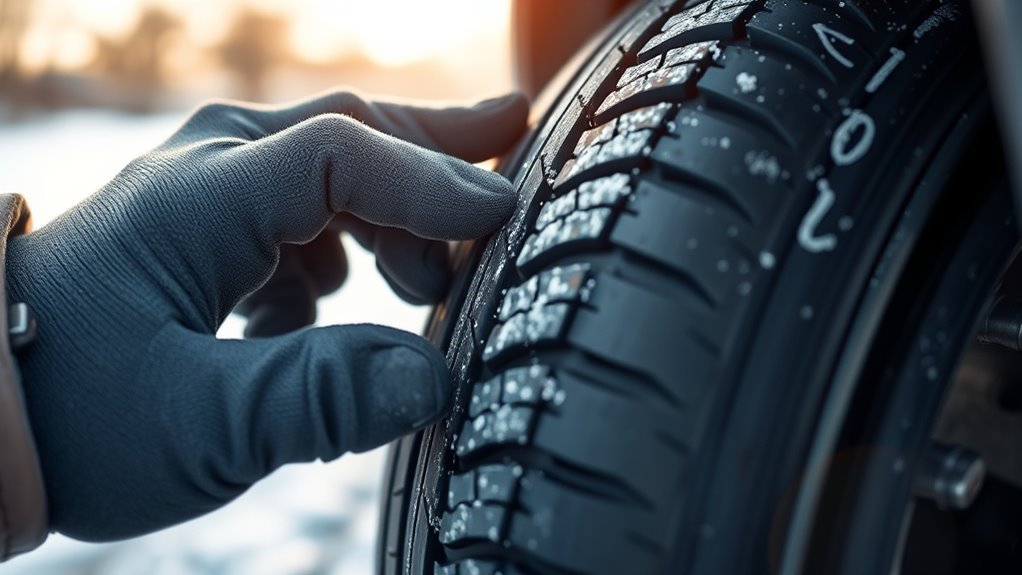
Before you install tires in cold weather, check carefully for cracks or splits that signal brittleness.
Make sure to assess how flexible the rubber is, since stiffness can lead to damage during mounting.
Catching these issues early helps you avoid costly problems down the road.
Detect Cracks Early
When you inspect tires for installation during cold weather, keep an eye out for brittleness and small cracks that might have developed over time.
Cold weather can make rubber brittle, which can lead to tire cracks that threaten safety.
A thorough tire inspection before installation helps you spot these early signs and avoid sudden failures.
Look carefully at the tire surface, especially in areas where brittle rubber may form tiny fissures.
Check for:
- Fine cracks along sidewalls and tread edges.
- Hard, inflexible rubber that doesn’t bend easily.
- Visible splits or peeling that worsen in freezing temperatures.
Detecting these issues early allows you to recommend timely repairs or replacements.
This ensures safety on the road, even in harsh cold weather conditions.
Assess Tire Flexibility
Inspecting for cracks is just one part of preparing tires for cold weather installation; you also need to check their flexibility.
Cold weather can make tire rubber brittle, reducing tire flexibility and increasing the risk of damage during tire installation.
During your tire inspection, examine the sidewalls and tread for stiffness or cracking.
If tires feel rigid, warming them to a moderate temperature can restore flexibility and ease installation.
Maintaining good tire condition through regular checks ensures safer mobile tire installation, even in low temperatures.
| Tire Condition | Tire Flexibility |
|---|---|
| New or warm tires | High flexibility |
| Cold, brittle tires | Low flexibility |
| Cracked tires | Very low flexibility |
| Properly inspected | Perfect flexibility |
Use Proper Equipment to Handle Hot Weather Tire Expansion
When working in hot weather, you need to monitor tire pressure closely since heat causes expansion.
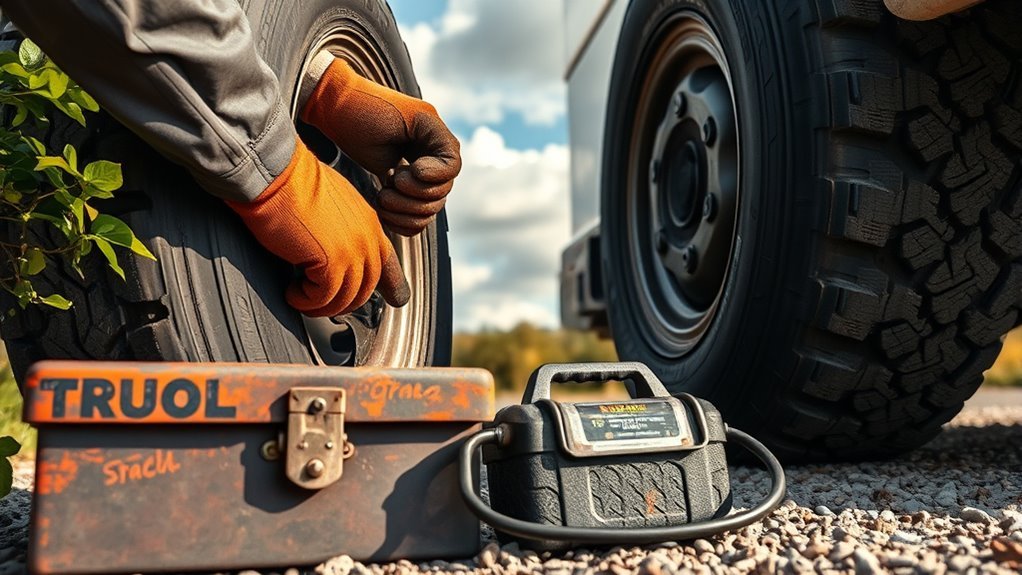
Using heat-resistant gloves and tools will help you handle the tires safely.
Be sure to adjust air pressure carefully to prevent over-inflation and make certain of a proper fit.
Monitor Tire Pressure Changes
Because heat causes your tires to expand and increase pressure, you need to monitor tire pressure changes carefully during hot weather.
Tire pressure can rise about 1 PSI for every 10°F increase, so checking it regularly helps prevent overinflation.
Always measure tire inflation when tires are cold—either before driving or after they’ve cooled for at least three hours—for accurate readings.
Use a reliable pressure gauge, like a digital or dial type, to track these changes precisely.
Keep in mind: tire pressure fluctuates with temperature changes throughout the day.
Cold weather readings ensure correct inflation levels.
Proper use of a pressure gauge avoids unsafe overinflation.
Use Heat-Resistant Tools
Handling tires in hot weather demands the use of heat-resistant tools to guarantee your safety and prevent damage.
When doing tire installation, rely on silicone-coated gloves and steel or heat-treated plastic levers to manage tire handling effectively.
These tools resist heat, protect you from burns, and prevent equipment deformation caused by hot weather.
Always inspect your tools for signs of heat damage before use to avoid accidents.
Scheduling installations during cooler hours also helps.
| Tool Type | Benefit |
|---|---|
| Silicone Gloves | Heat protection |
| Steel Tire Levers | Durable, heat-resistant |
| Heat-Treated Plastics | Prevent melting |
| Inspection Routines | Ensure tool safety |
| Cooler Scheduling | Easier tire handling |
Adjust Air Pressure Accordingly
Although hot weather can cause your tires to expand, you should always use a reliable tire pressure gauge to measure PSI accurately before and after installation.
Tire pressure rises roughly 1 PSI for every 10°F increase in temperature, so adjusting for this is key to avoid overinflation.
To maintain safety and performance, set your tires to the vehicle manufacturer’s recommended PSI. Then, if it’s unusually hot outside, consider releasing a bit of air.
Keep these tips in mind:
- Check tire pressure when tires are cool, before driving.
- Use a precise gauge designed for temperature fluctuations.
- Monitor pressure regularly during hot weather to prevent overinflation.
Ensure Clear Communication With Customers About Weather Impacts
When weather conditions change unexpectedly, it’s important to keep your customers in the loop.
This way, they can manage their expectations about possible delays or rescheduling.
Clear communication about weather impacts helps prevent misunderstandings during mobile tire installation.
Transparent weather updates reduce confusion and ensure smooth mobile tire installation experiences for everyone involved.
Let your customers know that temperatures above 7°C improve installation safety, while freezing weather may require special winter procedures.
Also, explain that heavy rain or snow can affect access and safety, which might cause potential delays or cancellations.
Additionally, temperature changes can influence tire pressure, making post-installation checks essential.
It’s crucial to highlight any safety hazards, like icy surfaces or strong winds, to ensure that both your team and the customer stay safe.
Schedule Mobile Tire Installations During Optimal Weather Windows
Keeping your customers informed about weather impacts sets the stage for smart scheduling decisions.
When you schedule mobile tire installation during ideal weather windows, you enhance safety and quality. Aim for mild temperatures between 50°F and 75°F to avoid extreme heat or cold that complicate pressure adjustments.
Avoid days with heavy rain or snow, which create slippery surfaces and risk safety.
Plan installations on calm, sunny days to protect both your technician and the tire fittings from wind or sudden temperature fluctuations.
Always check the forecast beforehand to prevent delays.
- Warm, stable temperatures that ease pressure adjustments.
- Dry, clear skies ensuring safe, secure work areas.
- Calm weather to avoid wind-related hazards and discomfort.
Perform Regular Safety Checks on Work Surfaces in Icy Conditions
Since icy surfaces drastically reduce traction, you need to perform regular safety checks to prevent slips and falls during tire installations.
Start by inspecting your work surfaces frequently for any ice buildup.
Remove ice promptly using sand, salt, or ice melt to improve grip.
Always wear slip-resistant footwear to enhance your stability on slick ground.
Don’t forget to use wheel chocks to keep vehicles steady on icy work areas.
Conducting these safety checks throughout your job ensures you maintain secure footing and reduce accident risks.
By staying vigilant about ice and maintaining slip-resistant conditions, you can work confidently and safely even in challenging winter weather.
These proactive steps protect both you and your equipment during mobile tire installations.
Check Tire Pressure Before and After Installation in Variable Temperatures
After securing your footing on icy surfaces, turn your attention to tire pressure, which can fluctuate markedly with temperature changes.
In cold weather, tire pressure can drop by 1-2 PSI for every 10°F decrease, so check inflation before installation.
Hot weather can cause air inside tires to expand, risking overinflation after installation.
Temperature fluctuations throughout the day demand you monitor tire pressure frequently to maintain safety and performance.
Visualize the tire gauge needle dipping in chilly morning air.
Picture air expanding inside the tire under a blazing sun.
Imagine adjusting inflation as the day’s temperature swings.
Choose the Right Tire Type Based on Seasonal Weather Conditions
When temperatures drop below 7°C, you’ll want to choose winter tires to maintain flexibility and improve braking on icy roads by up to 30%.
Seasonal weather plays an essential role in selecting the right tire type to maximize safety.
Winter tires excel in cold, icy conditions, while summer tires perform best above 7°C, providing superior grip and handling on warm, dry roads.
If you experience moderate temperatures, all-season tires offer a balanced solution but won’t match the specialized performance of winter or summer tires.
Picking the correct tire type based on seasonal weather can boost grip by 25–40%, considerably enhancing your safety during mobile tire installation.
Always make certain a professional installs the tires to optimize performance and safety tailored to current weather conditions.
Train Technicians on Weather-Related Challenges and Safety Protocols
You need to train your technicians to spot how different weather conditions affect tire installation and safety.
Make certain they know which safety gear to use and how to respond quickly in emergencies.
This preparation helps keep everyone safe and ensures smooth mobile tire service no matter the weather.
Weather Impact Awareness
Although weather conditions vary, you need to recognize how each can impact tire installation and your safety.
Extreme cold stiffens tire rubber, making installation tougher and increasing the risk of damage.
Hot temperatures soften tires, so you must handle them carefully to avoid deformation or blowouts.
Rain, snow, and wind reduce traction and visibility, raising accident risks outdoors.
Always check tire pressure before and after installation since temperature shifts affect PSI, which is vital for safety.
Keep these weather impacts in mind:
- Cold weather causing stiff, hard-to-install tires.
- Hot conditions softening tires and increasing blowout risk.
- Rain and snow reducing traction and visibility, complicating safe installation.
Being aware of these factors helps you maintain safety and quality under varying weather conditions.
Safety Gear Essentials
Understanding how weather affects tire installation sets the stage for prioritizing the right safety gear.
You need to train technicians to wear high-visibility vests and slip-resistant footwear to reduce accidents on wet or icy surfaces.
Proper use of personal protective equipment, including gloves, safety glasses, and thermal gear, is essential for handling extreme weather like snow, rain, or heat.
Always inspect and select weather-appropriate safety gear to prevent slips, falls, or equipment mishandling during harsh weather conditions.
Teach technicians to identify weather-related hazards such as ice buildup or flooding and respond with the correct safety measures.
Finally, regularly update your safety protocols and gear requirements based on current weather forecasts and seasonal changes to maintain a safe and efficient working environment.
Emergency Response Training
When weather creates hazardous conditions like ice, snow, or heavy rain, you must train technicians to respond quickly and effectively.
Emergency response training should focus on recognizing weather hazards that increase risks during tire installation.
Emphasize safety protocols that adjust work schedules and procedures when visibility or footing is compromised.
Teach thorough vehicle inspection techniques to detect temperature-related damage, preventing accidents.
Make sure your training covers:
- Identifying slip and fall risks with icy or wet surfaces.
- Using proper PPE like slip-resistant boots and high-visibility clothing.
- Postponing or relocating jobs during severe weather for safety.
Frequently Asked Questions
How Does the Weather Affect Tires?
Weather affects your tires by changing their flexibility and pressure.
Cold stiffens rubber, while heat softens it.
Wet or icy conditions reduce traction, and temperature swings can cause pressure shifts, impacting your tires’ performance and safety.
Is October Too Early to Put Winter Tires On?
You’re not installing winter tires too early in October; temperatures below 7°C reduce summer tire grip by 50%.
Getting them on then boosts your safety and traction before the first snow or icy roads appear.
Does Barometric Pressure Affect Tire Pressure?
Yes, barometric pressure affects tire pressure.
When pressure drops, your tires lose some air, and when it rises, they gain air.
You’ll want to check and adjust tire pressure regularly to keep safe and efficient driving.
Do I Need to Put More Air in My Tires When It’s Cold?
When cold bites like a frosty breeze, yes, you should add more air to your tires.
They lose pressure as temperatures drop, so topping them off keeps your ride safe, smooth, and ready to roll.
Conclusion
Did you know that tire pressure can drop by about 1 PSI for every 10°F decrease in temperature?
That’s why staying on top of weather changes is vital when installing tires.
By following these tips, you’ll guarantee safer, more reliable mobile tire installations no matter the weather.
Remember, adapting your approach not only protects your work but also keeps your customers safe and satisfied throughout every season.
Stay prepared and drive success!
—
In conclusion, understanding how weather impacts tire pressure and installation is crucial.
By staying informed and adjusting your methods accordingly, you can enhance safety and customer satisfaction.
Whether it’s cold temperatures or rainy conditions, being prepared ensures that your mobile tire installation services remain effective year-round.
So, keep these tips in mind, and you’ll not only protect your work but also build lasting relationships with your customers.
Stay proactive, adapt, and drive your success forward!