How Is Pneumonia Caused by Cold Weather?
You get pneumonia more easily in cold weather because cold, dry air irritates your respiratory tract and weakens your lungs’ defenses against germs.
When temperatures drop, your airways tighten, and mucous membranes dry out. This makes it harder for your body to clear infections.
Plus, being indoors with others increases your exposure to germs.
Your immune system also slows down in the cold, which raises the risk of infections like pneumonia.
Keep reading to understand how to protect yourself from these winter risks.
The Effect of Cold Air on the Respiratory System
How does cold air affect your respiratory system?
When you breathe in cold air, your airways constrict, making it harder to breathe, especially if you have respiratory conditions like asthma.
Cold air causes your airways to tighten, making breathing more difficult, particularly for those with asthma.
The dry winter air also reduces mucus production, which normally traps germs, so your lungs can’t clear pathogens as well.
This irritation to your respiratory tract makes you more vulnerable to infections like pneumonia.
Cold air exposure can trigger bronchospasms and inflammation, weakening your respiratory immune system and allowing bacteria and viruses to invade more easily.
Using a humidifier can help by adding moisture to the air, preventing dryness, and supporting your lungs’ natural defenses.
Staying mindful of these effects can help you protect your respiratory health during colder months.
How Cold Weather Weakens Immune Defenses

Although cold weather might seem harmless, it actually weakens your immune defenses in several ways.
Cold weather reduces blood flow to your skin, which limits immune cell circulation and lowers your immune response efficiency. The activity of immune cells like natural killer cells and lymphocytes decreases when you’re exposed to low temperatures. This makes it harder for your immune system to fight off respiratory infections.
Dry, cold air irritates your respiratory mucous membranes, compromising their ability to block pathogens.
Additionally, shorter daylight in winter reduces your vitamin D levels, which play an indispensable role in supporting your immune system.
Cold-induced stress also triggers cortisol release, a hormone that suppresses immune activity. This increases your vulnerability to infections, including pneumonia.
Increased Indoor Crowding and Germ Transmission
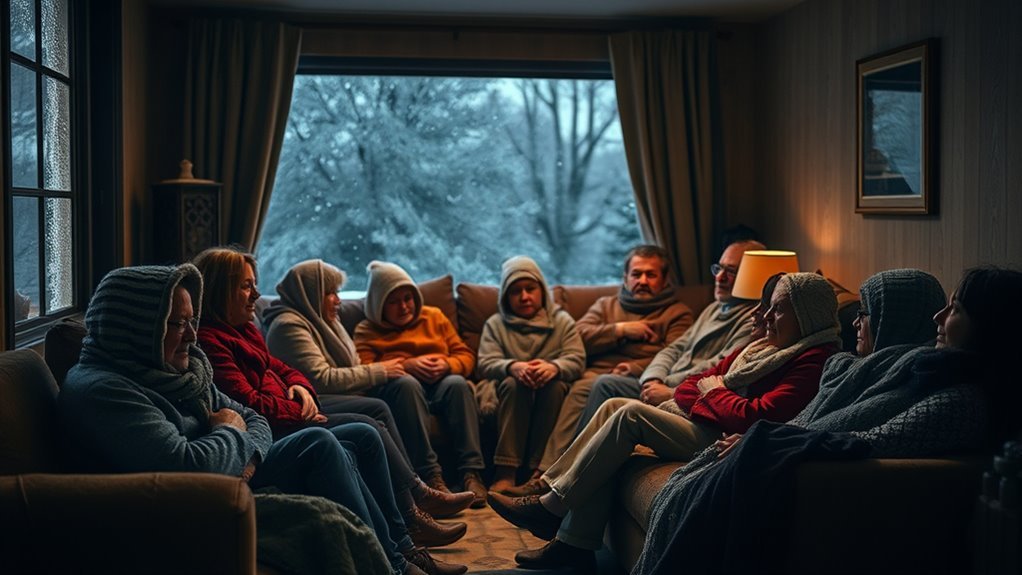
When cold weather drives you indoors, air circulation often drops because windows stay shut and heating systems run constantly.
This close contact in crowded spaces makes it easier for germs to spread between people.
You’ll want to be aware of how these factors increase your risk of catching respiratory infections like pneumonia.
Indoor Air Circulation
As cold weather drives you indoors, increased crowding and poor ventilation create the perfect conditions for respiratory germs to spread rapidly.
During the winter months, indoor air circulation often diminishes because windows stay shut and heating systems recirculate stale air.
This reduced ventilation allows viruses and bacteria to build up, increasing your exposure to pathogens that cause respiratory infections like pneumonia.
When many people gather in confined spaces with limited airflow, infectious agents circulate more easily, heightening your risk.
To protect yourself, it’s important to improve indoor air circulation by airing out rooms when possible or using air purifiers.
Maintaining better ventilation helps reduce germ concentration, lowering the chance of catching pneumonia or other respiratory illnesses during cold weather.
Close Contact Risks
Indoor air circulation affects how germs move, but the real risk grows when people crowd together in tight spaces.
During cold weather, increased indoor gatherings mean you’re more likely to be in close contact with others who may carry respiratory germs.
This close contact raises your chances of inhaling airborne pathogens responsible for pneumonia.
Enclosed, poorly ventilated areas speed up the potential spread of these infectious agents.
Shared surfaces and objects in such settings add to the risk by transferring germs directly to you.
Since you spend more time indoors during colder months, your exposure to contagious respiratory pathogens intensifies.
Understanding these close contact risks helps you take precautions like improving ventilation and limiting crowded indoor gatherings to reduce pneumonia’s threat in cold weather.
The Role of Dry Air in Respiratory Infections
Because dry air during cold weather dries out your respiratory tract’s mucous membranes, your body struggles to trap and eliminate harmful pathogens effectively.
Dry air in cold weather dries mucous membranes, hindering your body’s ability to trap and fight pathogens.
In winter, low humidity levels impair mucociliary clearance, allowing viruses and bacteria to stick to your respiratory tissues and cause infections more easily.
This dry air also irritates and inflames your airways, making your lungs more vulnerable to respiratory infections like pneumonia.
Additionally, cold, dry conditions weaken your local immune defenses, giving infectious agents a better chance to invade.
To protect yourself, maintaining adequate indoor humidity during winter helps keep your mucous membranes moist and functional, reducing the risk of infection.
Understanding how dry air contributes to respiratory infections can help you take steps to safeguard your respiratory health in cold weather.
Identifying Who Is Most Vulnerable to Pneumonia in Cold Weather
You need to recognize who faces the highest risk of pneumonia during cold weather to protect yourself and others effectively.
Infants, older adults, and people with weakened immune systems or chronic respiratory conditions are especially vulnerable.
Understanding these immune system factors helps you take targeted precautions when temperatures drop.
High-Risk Groups
Although anyone can catch pneumonia during cold weather, certain groups face much higher risks.
You belong to high-risk groups if you’re an infant, a young child under five, or an adult over 65 with a weakened immune system.
Chronic respiratory conditions like asthma or COPD also make you more susceptible to pneumonia.
If you have a compromised immune system due to illnesses such as HIV or treatments like chemotherapy, your risk increases further.
Recognizing pneumonia symptoms early is vital since your body’s defenses may struggle more in cold weather.
To protect yourself, prioritize vaccinations and take extra precautions during winter months.
Staying aware of your vulnerability helps you act swiftly to prevent severe illness linked to cold weather exposure.
Immune System Factors
When cold weather arrives, your immune system takes a hit, making it harder to fend off infections like pneumonia.
Reduced vitamin D levels during winter lower your immune function, weakening your body’s defense against respiratory infections.
Here’s who faces the greatest challenges:
- Elderly individuals experience immune suppression, reducing their immune response to pathogens.
- Those with chronic illnesses have compromised immune function, making infections more severe.
- People exposed to cold, dry air suffer from airway irritation that diminishes mucosal defenses.
- Individuals with poor nutrition or high stress endure further immune suppression, increasing pneumonia risk.
Understanding these immune system factors helps you recognize vulnerability and take steps to protect yourself during colder months.
Preventive Measures to Reduce Pneumonia Risk During Winter
Because pneumonia risk rises during cold weather, taking preventive steps is essential to protect your respiratory health.
Pneumonia risk increases in cold weather, so preventive measures are crucial for respiratory health.
You can use humidifiers to maintain indoor humidity between 30-50%. This helps keep your respiratory tissues moist and less prone to infections.
Strengthening your immune system by getting vaccinated against influenza and pneumococcal bacteria also plays a vital role in preventing respiratory issues.
Practicing good hygiene, like washing your hands frequently and covering your mouth when coughing, reduces the spread of harmful pathogens.
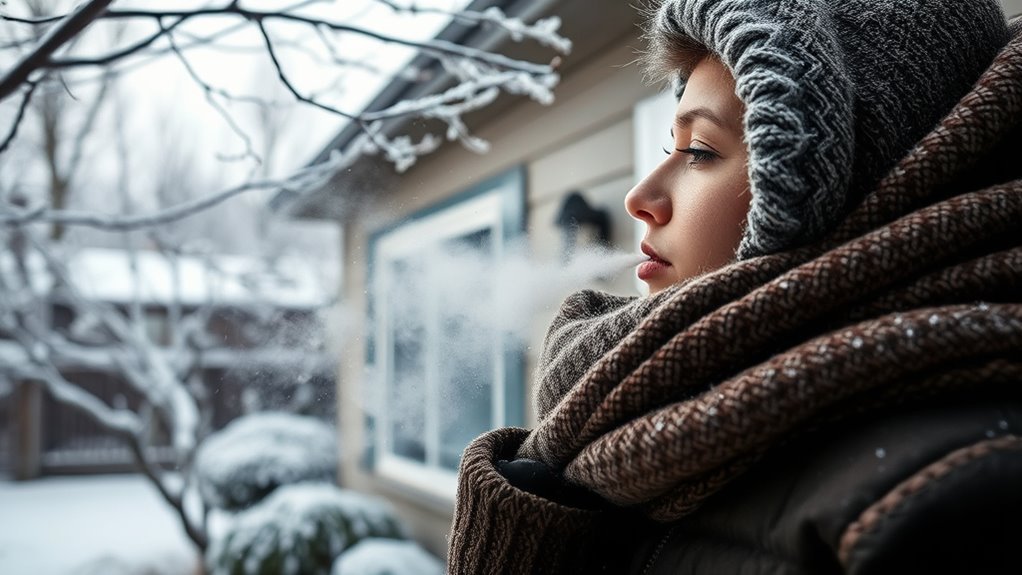
Additionally, dress warmly and cover your mouth and nose outdoors. This helps you avoid exposure to cold, dry air.
Managing any underlying health conditions and seeking timely medical care further supports your immune defenses.
Doing so lowers your chances of developing pneumonia during winter.
Frequently Asked Questions
Can Cold Weather Alone Cause Pneumonia Without Infection?
No, cold weather alone can’t cause pneumonia without infection.
You need bacteria, viruses, or fungi to develop it.
However, cold can weaken your immune system, making you more vulnerable to those infections.
Is Pneumonia Caused by Cold Weather Contagious?
Pneumonia itself isn’t contagious like a wildfire, but the germs causing it can spread between people.
How Long Does Pneumonia Last if Caused by Cold Weather?
Pneumonia usually lasts about one to three weeks.
However, it can take longer if your immune system is weak.
You’ll likely feel tired for several more weeks while your body fully recovers.
Rest up!
Are Antibiotics Effective for Pneumonia Linked to Cold Weather?
Just like a knight wielding a sword, antibiotics can be effective against bacterial pneumonia linked to cold weather.
But if a virus is the culprit, you’ll need rest and supportive care instead of antibiotics.
Can Vaccines Prevent Pneumonia Caused by Cold Weather?
Yes, you can prevent pneumonia caused by cold weather with vaccines like the pneumococcal and flu shots.
They boost your immune system, reducing the risk of infections that often lead to pneumonia during chilly seasons.
Staying healthy during the colder months is crucial, and these vaccinations play a key role in that.
Conclusion
Imagine your body as a fortress facing a winter siege.
Cold air acts like icy arrows, weakening your defenses and letting invaders—like pneumonia—breach your walls. Crowded indoor spaces become enemy camps where germs multiply.
Dry air steals your fortress’s moisture, making it vulnerable.
To keep your stronghold safe, you’ve got to shield yourself with warmth, good hygiene, and care.
Don’t let winter’s chill turn your body into an easy target.
By maintaining a warm environment and practicing good hygiene, you can protect yourself from pneumonia. Remember, staying hydrated is key too, as it helps keep your respiratory system functioning well.
In conclusion, be proactive during the cold months. By taking these simple precautions, you can fortify your body against pneumonia and enjoy a healthier winter season. Stay warm and healthy!