How to Use Imperfect Vs Preterite for Weather in Spanish
You use the imperfect tense to describe ongoing or habitual weather in the past.
For instance, phrases like “hacía frío” or “llovía mucho” set the scene or background.
In contrast, switch to the preterite for specific, completed weather events.
Examples include “llovió toda la noche” or “hizo sol ayer,” which have clear start and end times.
Knowing when to use each tense lets you tell weather stories more vividly and clearly.
So, keep exploring! You’ll soon master combining both tenses for richer descriptions.
Understanding the Imperfect Tense for Weather Descriptions

When you’re describing past weather in Spanish, you use the imperfect tense because it captures ongoing or habitual conditions rather than one-time events.
The imperfect tense is perfect for weather descriptions since weather usually lasts over a period and isn’t a single completed action.
For example, you’d say “llovía” for “it was raining” or “hacía calor” for “it was hot.”
These forms set the scene or background for other past actions, helping you paint a vivid picture of the atmosphere.
They create a vivid backdrop that enhances the storytelling of past events and moods.
By using the imperfect tense, you emphasize ongoing actions or repeated weather conditions rather than isolated moments.
When to Use the Preterite Tense for Weather Events

Although the imperfect tense suits ongoing weather descriptions, you’ll want to use the preterite tense to talk about specific weather events that happened at a definite moment in the past.
The preterite highlights completed actions and emphasizes the occurrence of weather phenomena. Here’s when to use it:
- Describe weather events with a clear start and end, like a thunderstorm or snowstorm.
- Narrate a sequence of weather events during a particular day or period.
- Focus on past weather conditions that caused a change in circumstances.
- Emphasize specific moments when the weather impacted the situation, such as “Ayer llovió mucho.”
Using the preterite lets you clearly mark completed weather events and their effect on past events.
Key Differences Between Imperfect and Preterite for Weather
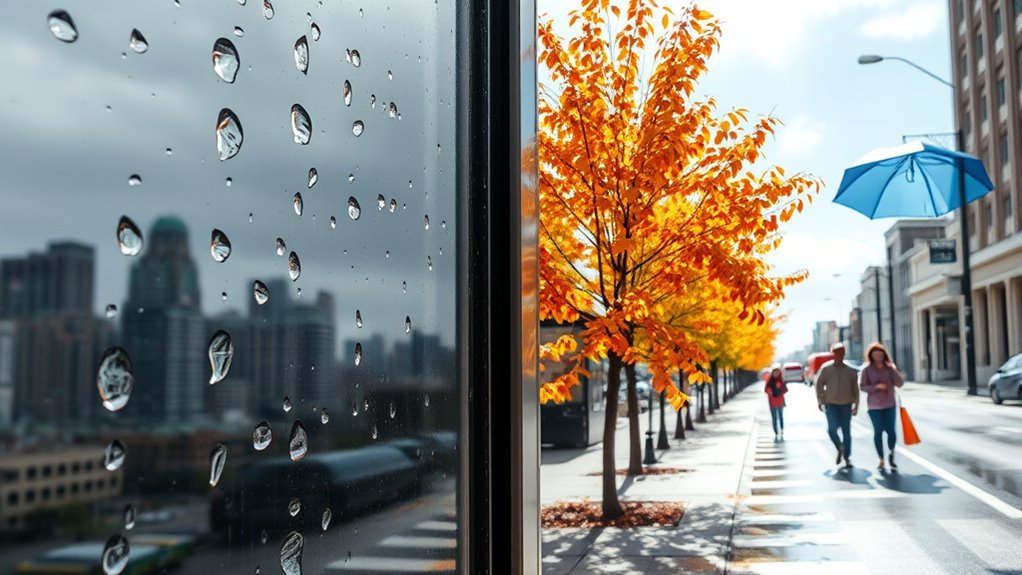
You’ll notice that choosing between the imperfect and preterite for weather depends on how you want to present the event.
Use the imperfect when describing ongoing actions or habitual weather conditions in the past, like “It was raining” or “It was sunny,” which often set the scene.
In contrast, the preterite focuses on completed events, such as “It rained yesterday” or “It snowed last winter,” marking specific moments.
The imperfect highlights background weather, emphasizing duration or repetition, while the preterite pinpoints particular occurrences.
So, when you want to describe weather as a continuous or repeated past condition, go for the imperfect.
But if you’re detailing a single, finished weather event, choose the preterite to convey that specificity clearly.
Common Weather Expressions in the Imperfect Tense
Weather expressions in Spanish usually appear in the imperfect tense because they describe ongoing or habitual conditions in the past.
When you use the imperfect tense, you emphasize ongoing conditions rather than specific moments.
Here are common weather expressions you’ll often see conjugated in the imperfect tense:
- Hacía calor/frío – It was hot/cold
- Llovía mucho – It was raining a lot
- Estaba nevando – It was snowing
- Hacían vientos fuertes – There were strong winds
These weather expressions use verbs like “hacer” or “estar” plus the present participle, making the imperfect tense perfect for setting scenes in past narratives.
Examples of Specific Weather Events Using the Preterite
While the imperfect tense suits ongoing or habitual weather descriptions, the preterite highlights specific weather events that happened at a particular moment.
You use the preterite to talk about weather events completed in the past, like “Ayer llovió” (It rained yesterday).
These examples often include time markers such as “anoche” or “el lunes pasado” to pinpoint when the event occurred.
If you want to describe a sudden weather change, like “De repente, se volvió muy ventoso” (It suddenly became very windy), the preterite is your go-to tense.
Also, use the preterite for discrete phenomena such as thunderstorms or hailstorms when emphasizing their occurrence.
Time Markers That Signal Imperfect in Weather Contexts
Whenever you describe past weather that set the scene or happened repeatedly, certain time markers will guide you to use the imperfect tense.
These markers help you signal ongoing or habitual weather conditions in your narration.
Here are key indicators to watch for:
- Words like “hacía” and “estaba” describe continuous weather states, such as “hacía frío.”
- Adverbs like “siempre” and “frecuentemente” show repeated weather patterns.
- Phrases with “mientras” indicate simultaneous weather actions, e.g., “mientras llovía.”
- Time references with “cuando” often introduce background weather descriptions.
Time Markers That Indicate Preterite in Weather Narratives
When you describe weather tied to a specific past event, you’ll often use the preterite tense.
Look for trigger phrases like “ayer” or “anoche” that signal a completed action.
These time markers help you show the weather as a finished moment rather than an ongoing background.
Specific Past Weather Events
If you want to talk about a specific weather event that happened at a definite time, you’ll use the preterite tense in Spanish.
The preterite highlights completed actions and specific past events, making it perfect for weather descriptions tied to a clear moment.
Here’s when to use preterite for weather:
- When describing a punctual weather event, like “llovió” (it rained) or “nevó” (it snowed).
- If the weather event happened at a known time, such as “ayer” (yesterday).
- For past weather events that are finished, not ongoing or habitual.
- When emphasizing the completion of a weather occurrence, like a storm that lasted a specific day.
Trigger Phrases for Preterite
Certain time markers clearly signal the use of the preterite tense in Spanish weather narratives.
You’ll often find yourself using phrases like ayer, la semana pasada, or hace [tiempo] to pinpoint when a weather event happened.
Words like de repente emphasize sudden changes, while cuando sonó el marks the exact moment something occurred.
These triggers help you describe completed weather actions precisely.
| Time Marker | Meaning | Example Usage |
|---|---|---|
| ayer | yesterday | Ayer llovió todo el día. |
| de repente | suddenly | De repente nevó fuerte. |
| hace [tiempo] | ago (specific time) | Hace dos horas, granizó. |
| cuando sonó el | when the [sound] rang | Cuando sonó el trueno, paró la lluvia. |
| la semana pasada | last week | La semana pasada hizo sol. |
Use these cues to master the preterite in weather storytelling.
Happy practicing!
Time Markers Signaling Completion
Because specific time markers pinpoint exact moments, they signal that a weather event is complete, guiding you to use the preterite tense.
When you describe weather with clear time markers, you emphasize completed actions in the past tense. This helps convey a specific event rather than an ongoing condition.
Look for these time markers in your weather descriptions:
- “El lunes pasado” – indicates the weather event happened last Monday.
- “Hace dos días” – points to something that occurred two days ago.
- “A las tres de la tarde” – specifies the exact hour of a weather occurrence.
- “Ayer” – signals that the event took place yesterday.
These clues show that the weather event is finished, so use the preterite tense to express it accurately.
Combining Imperfect and Preterite to Describe Weather Stories
When you tell a story about the weather in Spanish, combining the imperfect and preterite tenses gives your narration depth and clarity.
Use the imperfect to set the weather as a background or habitual condition, and the preterite to highlight specific past actions or sudden changes.
This combination lets you paint a vivid picture.
| Tense | Usage | Example |
|---|---|---|
| Imperfect | Background/ongoing weather | Hacía frío (It was cold) |
| Preterite | Specific event | Llovió toda la noche (It rained all night) |
| Combined | Event during ongoing weather | Hacía calor cuando empezó a llover (It was hot when it started to rain) |
Verbs Commonly Used for Weather in Both Tenses
Weather verbs like “hacer,” “llover,” and “nevar” play key roles in Spanish storytelling.
You’ll use these verbs differently depending on whether you describe ongoing weather or specific events.
Here’s how:
- Use “hacer” in the imperfect for general conditions, e.g., “hacía frío” (it was cold).
- Choose “llovía” and “nevaba” in the imperfect to express continuous rain or snow.
- Say “estaba nublado” to set a cloudy scene in the past using the imperfect.
- Switch to the preterite with “hizo sol” or “hubo una tormenta” to highlight sudden or completed weather events.
Practice Tips for Mastering Weather Tenses in Spanish
Mastering the use of imperfect and preterite tenses with weather verbs takes practice, especially since the choice shapes how you set scenes or tell stories.
Focus on using the imperfect tense for ongoing or habitual weather descriptions, like “hacía calor,” and switch to the preterite for specific events such as “nevaron ayer.”
Pay attention to trigger words: “ayer” and “el día pasado” usually indicate preterite, while “siempre” or “cada verano” suggest imperfect.
To improve, regularly create past weather scenarios combining both tenses.
Practice conjugation by constructing sentences with “hacía” plus weather descriptions for background scenes.
Then narrate sudden changes using preterite forms.
This targeted approach sharpens your understanding and helps you confidently describe past weather in Spanish.
Frequently Asked Questions
Do You Use Preterite or Imperfect for Weather?
You use the imperfect for ongoing or habitual weather in the past, like “hacía calor.”
Use the preterite for specific, completed weather events, such as “llovió ayer.”
Time expressions often guide your choice.
How to Know Whether to Use Preterite or Imperfect in Spanish?
You’ll use the imperfect for ongoing or habitual past actions, and the preterite for specific, completed events.
Look for time cues like “siempre” for imperfect and “ayer” for preterite to guide your choice.
When to Use Hace or Está for Weather?
You use “hace” with nouns to talk about weather conditions generally or in the past, while “está” with adjectives describes the current weather.
What Verb Do You Use for Weather in Spanish?
You use verbs like “hacer” for general weather and “llover” or “nevar” for rain or snow.
These verbs help you describe weather conditions naturally in Spanish, especially when using the imperfect tense.
Conclusion
Now that you know when to use imperfect and preterite for weather in Spanish, you’re better equipped to tell vivid stories or describe scenes accurately.
Did you know that Spanish speakers use the imperfect tense for weather descriptions about 85% of the time? This is because it sets the background for the narrative.
So, practicing these tenses will make your conversations much more natural and expressive.
Keep practicing, and soon you’ll master weather talk like a native!
In conclusion, understanding the difference between imperfect and preterite tenses is essential for effectively discussing weather in Spanish. The imperfect tense is your go-to for background descriptions, while the preterite is used for specific events.
By incorporating these rules into your conversations, you’ll enhance your storytelling skills and sound more fluent. Keep at it, and you’ll be chatting about the weather like a pro in no time!