
How Do You Get a Tan in Cloudy Weather?
You can get a tan on cloudy days because about 90% of UV rays still reach your skin through clouds.
UVA rays penetrate clouds easily, triggering melanin production and tanning.
To tan effectively, pick an open spot with minimal shade.
Don’t forget to apply broad-spectrum sunscreen and limit your time in the sun to avoid burns.
Make sure to turn every 5-10 minutes for even color.
There’s more to know about safely tanning and protecting your skin in overcast weather.
So, whether it’s sunny or cloudy, don’t shy away from getting that bronzed glow!
Understanding UV Rays and Cloud Coverage
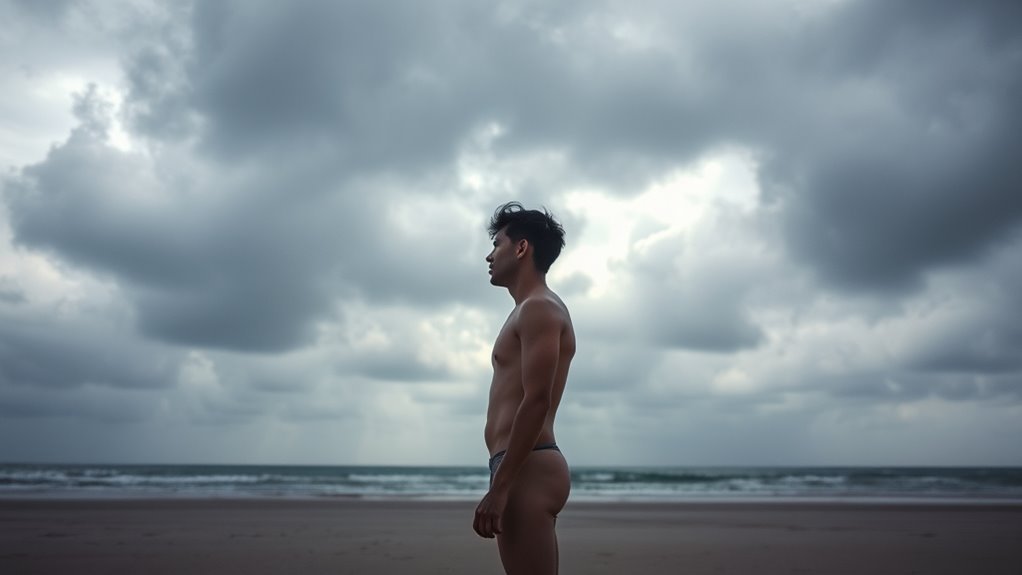
Although the sky may look overcast, about 90% of ultraviolet (UV) rays still reach your skin through clouds.
UV rays, invisible to the eye, are the main cause of tanning, not the visible sunlight.
When you’re out in cloud cover, UVA rays, which contribute to tanning and skin aging, pass through more easily than UVB rays.
UVB rays, responsible for sunburn and triggering melanin production, also partially penetrate clouds, allowing your skin to tan even when the sun isn’t shining brightly.
The thickness and type of cloud cover determine how much UV radiation reaches the ground.
Thinner clouds let more UV rays through, increasing your exposure.
How Clouds Affect Tanning and UV Exposure

When you spend time outdoors on a cloudy day, your skin still absorbs a significant amount of UV radiation because clouds let most UV rays pass through.
In cloudy weather, about 90% of UV rays reach your skin, meaning tanning can still occur.
Thin or scattered clouds can even scatter UV rays, sometimes increasing your UV exposure.
UVA rays, which cause immediate tanning and penetrate deeply, pass through clouds more easily than UVB rays.
However, UVB rays, essential for stimulating melanin production and longer-term tanning, also get through, allowing your skin to darken despite the overcast sky.
The exact UV exposure varies with cloud thickness and type, but it’s clear that tanning remains possible even when the sun isn’t fully visible.
Preparing Your Skin for Tanning on Cloudy Days
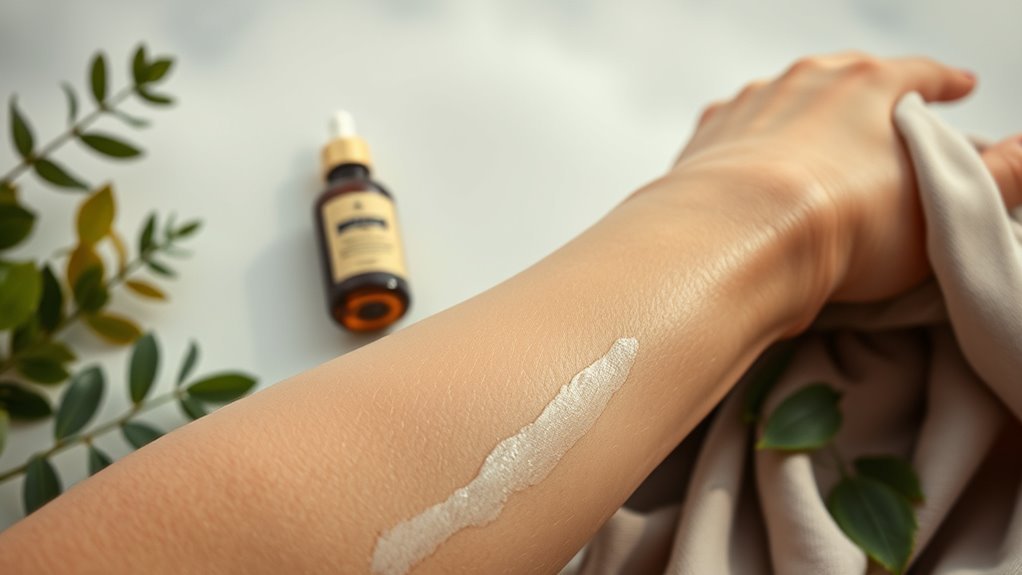
Since about 90% of UV rays penetrate clouds, you need to prepare your skin properly before tanning on cloudy days.
Start with exfoliating your skin 1-2 days before tanning to remove dead cells. This promotes a smoother, more even tan and helps it last longer.
Proper skin preparation also means balancing UV exposure with effective sun protection. Even on overcast days, UV rays can cause damage, so apply a broad-spectrum sunscreen with adequate SPF to shield your skin from harmful effects.
It’s important to avoid heavy lotions that block UV rays entirely, but remember, never skip sun protection.
By exfoliating and protecting your skin, you optimize your tanning results while minimizing risks.
This careful approach ensures you enjoy a healthy tan, even when the sun isn’t shining brightly.
Choosing the Best Location for Cloudy Day Tanning
Because up to 90% of UV rays can penetrate clouds, you should choose open areas with direct sunlight to maximize your tanning on cloudy days.
Maximize your tan on cloudy days by choosing open areas with direct sunlight, as up to 90% of UV rays penetrate clouds.
Avoid shaded spots under trees or buildings since they block UV rays and hinder your tanning progress.
Instead, find locations like beaches or outdoor patios where you can enjoy direct exposure to the sun.
Position yourself flat on a towel or lounge chair to cover more skin evenly.
Also, consider reflective surfaces such as water, sand, or concrete, which scatter UV rays and boost your tanning potential even when the sky is overcast.
Effective Tanning Techniques When It’s Overcast
You’ll want to time your tanning sessions when UV rays are strongest, usually midday, even if clouds cover the sky.
Position yourself to maximize exposure, turning occasionally to guarantee an even tan.
Staying mindful of these techniques helps you tan effectively without overdoing it.
Optimal Sun Exposure Timing
Although the sky may be overcast, about 90% of UV rays still reach your skin.
This means tanning is possible even on cloudy days!
To maximize your tan safely, aim for ideal sun exposure during early morning around 9:00 a.m. or late afternoon near 4:00 p.m.
These times offer a lower UV index, which reduces the risk of burns while still allowing effective tanning.
Keep your sessions short—about 5 to 10 minutes per side—and use a timer to avoid overexposure.
And don’t forget to apply sunscreen to protect your skin, even on cloudy days.
UV rays can still cause damage, so it’s important to take precautions.
Positioning for Even Tanning
Maximizing your tan on cloudy days doesn’t just depend on timing—it also requires proper positioning.
Find a spot with minimal cloud cover and avoid shade from trees or buildings to boost your UV exposure.
Lie flat on a towel or lounge chair so your entire body can soak up the light evenly.
To achieve even tanning, turn your body every 5 to 10 minutes. This way, all skin areas get balanced UV exposure despite the overcast conditions.
Remember, cloudy weather dims sunlight, so positioning yourself strategically is key.
Keep your skin clean and exfoliated beforehand to help the tan develop uniformly and last longer.
With these positioning tips, you’ll get the most out of your cloudy-day tanning session.
Importance of Sunscreen and Skin Protection
You might think sunscreen is only for sunny days, but UV rays can reach your skin even when it’s cloudy.
Wearing broad-spectrum sunscreen with at least SPF 15 year-round is key to keeping your skin safe from damage.
Don’t forget to reapply regularly and use hats or protective clothing to reduce exposure.
Sunscreen Use Year-Round
Since up to 90% of UV rays can penetrate clouds, applying sunscreen daily—even on overcast days—is essential to protect your skin.
UV rays don’t take a break just because it’s a cloudy day. Using a broad-spectrum sunscreen with at least SPF 15 helps block both UVA and UVB rays that cause skin damage.
You should reapply sunscreen every two hours, especially if you’re outside for a long time, to maintain continuous protection.
Remember, UV rays can also pass through glass, so everyday exposure matters regardless of outdoor conditions.
By making sunscreen a year-round habit, you reduce your risk of premature aging, skin damage, and skin cancer.
Don’t skip sunscreen—your skin will thank you.
Protecting Skin Under Clouds
Protecting your skin under clouds requires more than just sunscreen.
Even on cloudy weather days, about 90% of UV rays penetrate the clouds and reach your skin, making skin protection essential.
Applying broad-spectrum sunscreen with SPF 15 or higher shields you from harmful UV rays that cause tanning, skin damage, and premature aging.
Remember, clouds can scatter UV rays, and reflected rays from surfaces might increase your exposure.
To stay safe, wear protective clothing, a wide-brimmed hat, and UV-blocking sunglasses to guard both your skin and eyes.
Don’t forget to reapply sunscreen every two hours, especially after sweating or swimming.
This will help maintain effective skin protection throughout the day, regardless of cloud cover.
Using Tanning Lotions and Oils Safely
Although tanning lotions and oils can enhance your sun-kissed glow, you need to choose products carefully to avoid skin damage.
Opt for tanning lotions with low SPF, like SPF 8, which promote faster tanning while offering some UV protection.
Remember, even on cloudy weather days, UV rays penetrate. So, using a broad-spectrum sunscreen with SPF 15 or higher alongside your tanning oil helps shield your skin effectively.
Pick products suited to your skin type—moisturizing oils for dry skin, for example. And always follow the instructions for application.
Apply lotions evenly to clean, dry skin before sun exposure and reapply as needed.
Avoid formulations with harmful chemicals that boost UV absorption excessively. Prioritize safe ingredients to protect your skin while achieving that perfect tan.
Managing Hydration and Moisturizing After Tanning
Once your skin has soaked up the sun, you should immediately lock in moisture with a thick, hydrating lotion like shea or cocoa butter to keep it soft and smooth.
Post-tan skin care focuses on hydration and moisturizing to maintain your glow and prevent dryness.
Drink 10-12 cups of water daily to rehydrate your skin from within and avoid flaky patches.
Skip hot showers and exfoliation after tanning, as they can strip moisture and fade your tan prematurely.
Regularly applying moisturizer helps prolong your tan while preserving skin elasticity.
For extra soothing care, use aloe vera gel or cool water compresses to calm any redness.
Prioritizing hydration and moisturizing after tanning guarantees your skin stays healthy and radiant, even in cloudy weather.
Recognizing and Treating Sunburn in Cloudy Weather
Since about 90% of UV rays pass through clouds, you can easily get sunburned even on overcast days.
In cloudy weather, UVA rays still reach your skin, causing damage without obvious signs at first.
You might not notice redness or pain until hours after sun exposure, so it’s important to check your skin regularly.
If you recognize sunburn symptoms like redness, discomfort, or warmth, treat your skin gently.
Apply cool compresses and moisturize with aloe vera or soothing lotions.
Avoid further UV exposure until your skin heals.
To prevent sunburn in the future, always apply broad-spectrum sunscreen with SPF 15 or higher before going outdoors, even when it’s cloudy.
Protecting your skin consistently helps reduce damage from invisible UV rays.
Year-Round Sun Protection and Safe Tanning Practices
You might not realize it, but UV rays are still strong in winter.
So, applying sunscreen with at least SPF 30 every day is essential.
Even on cloudy days, those rays can penetrate and reflect off surfaces like snow, increasing your exposure.
To keep your skin safe year-round, wear protective clothing.
And don’t forget to reapply sunscreen regularly while enjoying outdoor activities.
Winter Sunscreen Necessity
Although winter often feels like a time to relax your sun protection routine, UV rays can still penetrate clouds and reflect off snow. This increases your skin’s exposure.
You need to protect your skin by applying broad-spectrum sunscreen with at least SPF 30 daily, especially during outdoor winter activities like skiing or snowboarding.
Snow and higher altitudes intensify UV radiation, raising the risk of skin damage and burns.
Remember, the sun’s rays are closer to Earth in winter, which can boost UV intensity.
| Factor | Impact on Skin Protection |
|---|---|
| Cloud cover | UV rays still penetrate |
| Snow reflection | Increases UV exposure |
| Winter sun proximity | Raises UV intensity |
| Sunscreen use | Essential for winter skin health |
Consistent UV Protection
Winter might make you think sunscreen isn’t necessary, but UV rays don’t take a break just because the sun hides behind clouds or snow covers the ground.
In fact, UVA and UVB rays penetrate clouds, making consistent UV protection vital year-round.
Applying a broad-spectrum sunscreen with SPF 30 or higher daily shields your skin from damage, even in cloudy weather.
Remember, UV radiation intensifies at higher altitudes and reflects off snow, increasing exposure in winter.
Plus, UV rays can pass through glass, so don’t skip sunscreen indoors either.
For safe tanning and lasting UV protection, reapply sunscreen every two hours and after sweating or swimming.
Staying vigilant about sunscreen usage ensures your skin stays healthy regardless of the weather or season.
Frequently Asked Questions
Can You Get Tan When It’s Cloudy?
Yes, you can get a tan when it’s cloudy because most UV rays still reach your skin.
Don’t underestimate the sun’s power even on overcast days.
Always protect your skin to avoid damage.
Can You Tan Without Direct Sunlight?
You don’t need the sun’s full spotlight to glow; you can tan without direct sunlight because UV rays sneak through clouds and reflect off surfaces.
This gentle exposure encourages your skin to develop that warm, sun-kissed hue you desire.
Do You Tan Better, Wet or Dry?
You tan better when your skin’s dry because moisture reflects UV rays, reducing their penetration.
Staying dry helps UV rays reach deeper layers, allowing you to develop a faster, more even tan compared to when you’re wet.
Is 30 Minutes in the Sun Enough to Tan?
Yes, 30 minutes in the sun can be enough to start tanning, especially if your skin is fair or sensitive.
Just remember to protect yourself and avoid burning.
Gradually increasing your exposure will help you achieve a safer tan.
Conclusion
So, you want that golden glow without Mr. Sun playing peekaboo?
Good news: clouds are just nature’s sneaky sunscreen—you’ll still catch those UV rays trying to slip past.
Slather on your lotion, pick your spot wisely, and hydrate like it’s your job.
Remember, cloudy doesn’t mean safe, so treat your skin like royalty, not a roast.
Now go out there and tan responsibly.
Even on gloomy days, your skin’s got a story to tell!
In conclusion, getting a tan in cloudy weather is totally possible. Just be sure to apply sunscreen, stay hydrated, and choose your tanning spot carefully.
Always remember that UV rays can still harm your skin, so don’t skip on protection.
A little care goes a long way to achieving that beautiful, bronzed look, even when the sun is hiding behind the clouds!