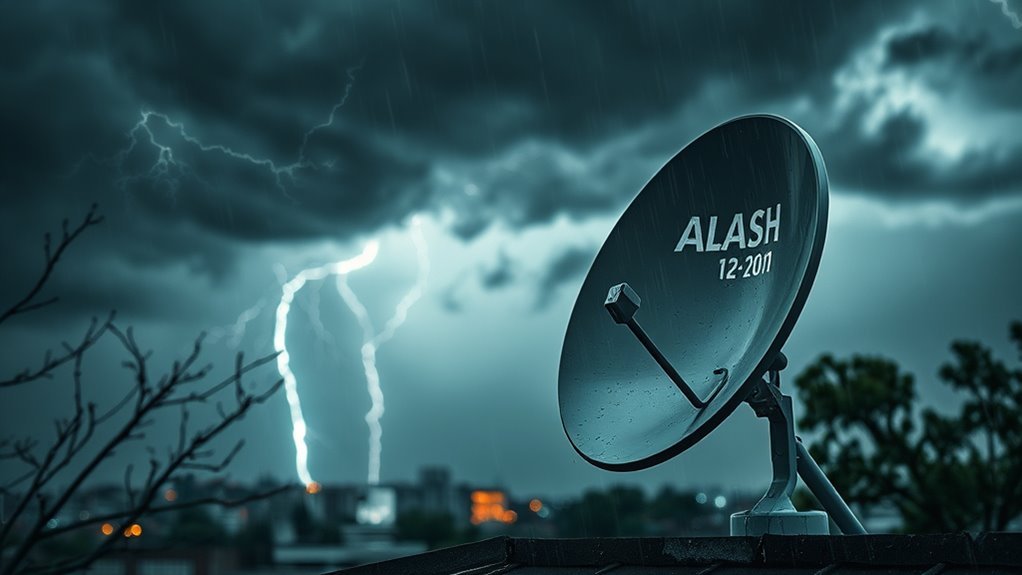
How Does Weather Affect Internet Connection?
You might not realize it, but weather conditions like rain, snow, and storms can significantly weaken your internet connection. These elements can cause signal loss and even physical damage to your equipment.
High winds can misalign antennas, making it harder to maintain a stable connection. Additionally, extreme heat or cold can harm your devices, leading to performance issues.
Wireless and satellite connections are especially vulnerable. Moisture and various weather events can easily disrupt signals, leaving you with frustrating connectivity problems.
While fiber-optic connections are generally tougher, they are not completely immune to the effects of harsh weather.
Understanding how weather affects your internet connection can help you protect your network and keep it stable even during rough conditions.
How Rain and Snow Influence Internet Signals
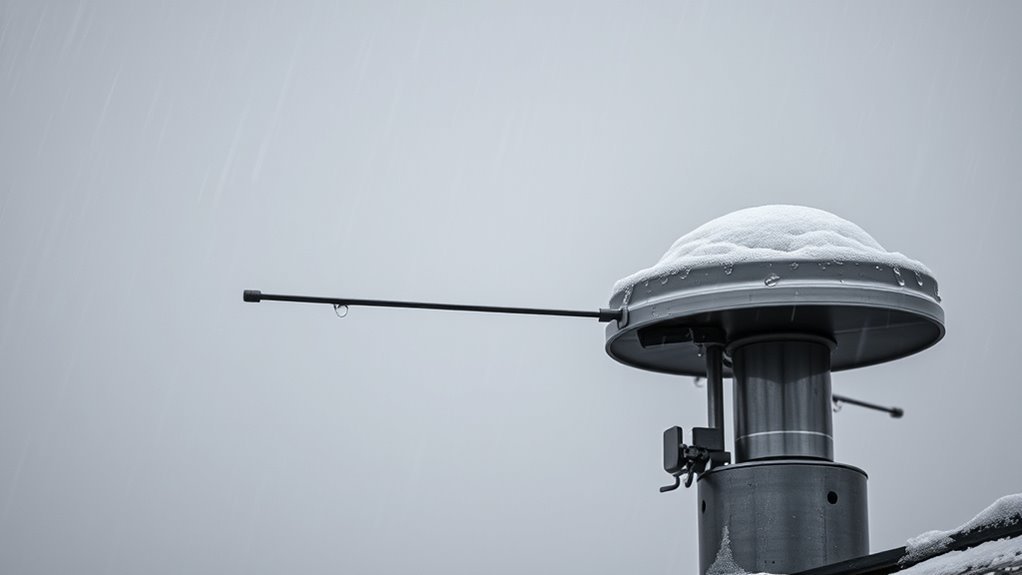
When rain or snow hits, your internet connection often takes a hit too.
Rain and snow cause signal absorption and scattering, which leads to signal attenuation and slower internet speeds.
Rain and snow absorb and scatter signals, causing attenuation that slows down your internet speed.
Satellite internet is especially vulnerable because signals pass through rain droplets twice.
This creates rain fade that disrupts your connection during heavy storms.
Snow accumulation on outdoor antennas or satellite dishes blocks signals, often forcing you to clear them manually or use protective covers.
High moisture from rain and snow weakens wireless signals, particularly at higher frequencies like 5GHz.
This can cause instability and increased latency, which is frustrating.
Dense snowfall and cloud cover further increase signal attenuation, resulting in weather disruptions.
These disruptions can slow data transmission or even cause outages.
Understanding these effects helps you prepare for connectivity challenges during wet weather.
The Effects of High Winds and Storms on Connectivity
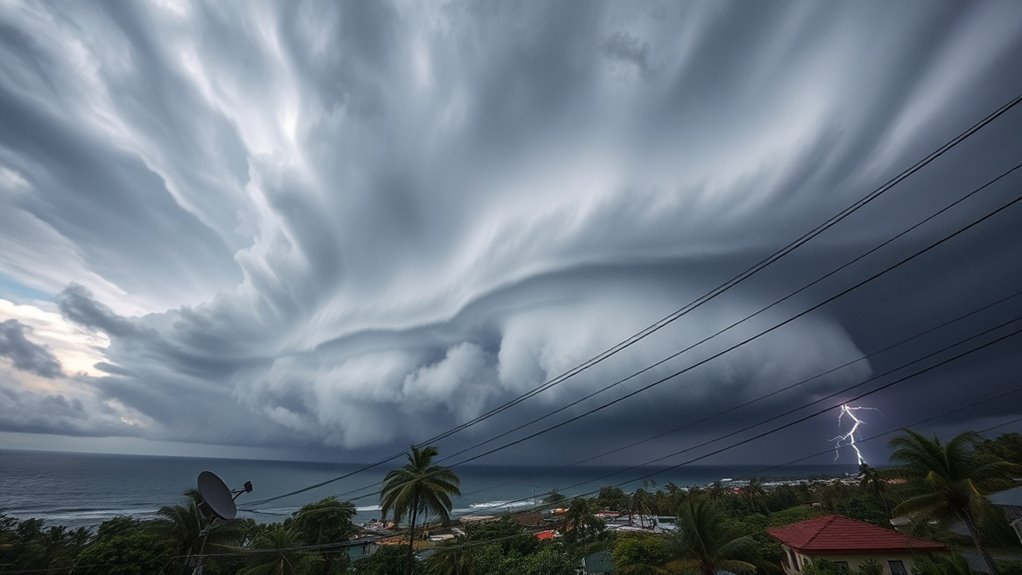
When high winds hit, you might notice your internet slowing down or cutting out entirely.
Strong gusts can damage or misalign outdoor equipment like satellite dishes and antennas.
Debris blown around by the storm can block signals or cause physical harm to your connection points.
Plus, power outages during severe storms can knock out your service until repairs are made.
Infrastructure Damage Risks
Although you might not notice it immediately, high winds and storms can severely damage the infrastructure that keeps your internet connected.
Storm damage often leads to physical damage of key infrastructure components, disrupting your service. Here’s what can happen:
- Utility poles can topple, breaking above-ground cables.
- Satellite dishes and outdoor antennas may misalign or detach.
- Wind-driven debris like branches can dislodge or damage equipment.
- Power outages disable network equipment, delaying restoration.
- Flooding weakens underground infrastructure and causes erosion around support structures.
These effects combine to interrupt your internet connection, sometimes for extended periods.
Understanding these risks helps you appreciate the vulnerabilities in your internet’s physical backbone during severe weather.
Signal Disruption Mechanisms
Because high winds and storms create both physical and electromagnetic challenges, your internet connection can suffer significant disruptions.
High winds may misalign satellite dishes, impairing satellite signals and weakening signal reception. At the same time, storms cause electromagnetic interference that disrupts high-frequency wireless signals like 5G, decreasing connection stability.
Wind-blown debris or falling branches often damage outdoor equipment, leading to signal loss or degraded performance. Structural damage to poles, antennas, or cabling further interrupts signal transmission.
Additionally, atmospheric disturbances from turbulent weather conditions cause fluctuations and interruptions in wireless signals, worsening connectivity.
Understanding these signal disruption mechanisms helps you anticipate and mitigate the effects of severe weather on your internet, ensuring better preparedness during storms and high wind events.
Impact of Extreme Temperatures on Internet Equipment
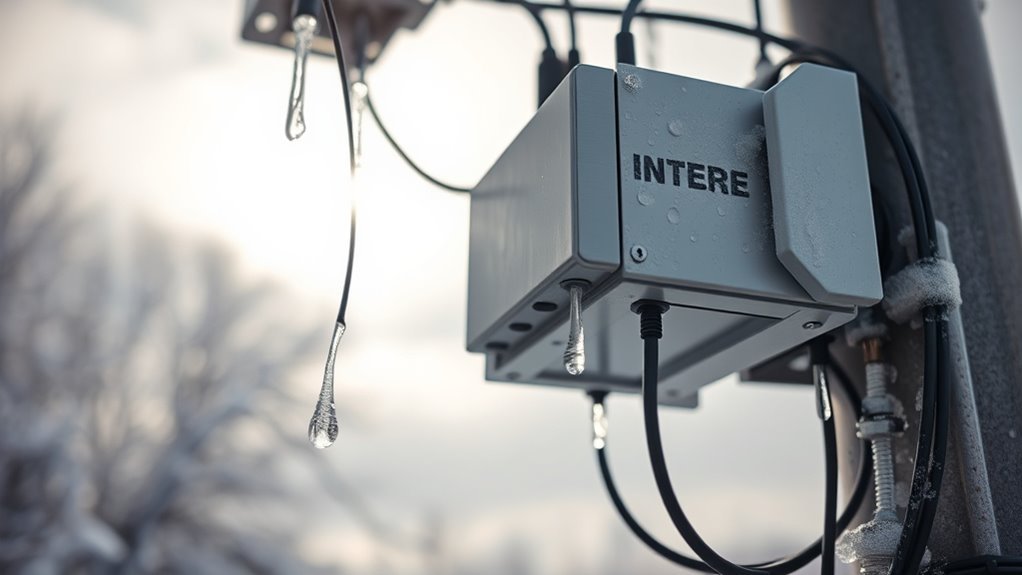
You’ll notice that extreme heat can cause your outdoor routers and satellite dishes to overheat and shut down to avoid damage.
In cold weather, cables and connectors become brittle, increasing the chance of breaks that disrupt your connection.
Sudden temperature changes can also create condensation inside equipment, leading to moisture problems and signal issues.
Overheating Risks and Shutdowns
When temperatures climb above 122°F (50°C), your routers and outdoor networking equipment can overheat and shut down to protect themselves.
This thermal shutdown prevents permanent damage but can interrupt your internet connection during heatwaves. Prolonged exposure to temperature extremes causes device degradation and may lead to equipment failure as electronic components weaken over time.
To reduce overheating risks, you should:
- Install outdoor networking devices in shaded, ventilated areas.
- Use cooling accessories designed for electronic equipment.
- Ensure proper airflow around your devices.
- Avoid direct sunlight exposure during the hottest hours.
- Regularly inspect equipment for signs of heat stress.
Taking these steps helps maintain your internet hardware’s reliability and extends its lifespan despite extreme heat.
Cold Weather Equipment Effects
Although cold weather may seem less threatening than intense heat, it can still cause serious damage to your internet equipment.
The temperature impact on outdoor equipment is significant—extreme cold can make plastic and rubber parts brittle, leading to cracks that cause signal degradation.
Moisture freeze inside devices can block ventilation or cause electronic damage, resulting in performance issues or complete shutdowns if your router or modem isn’t designed for low temperatures.
Prolonged cold also weakens backup power batteries, risking outages during storms.
To minimize these equipment effects, install outdoor devices in insulated, weatherproof enclosures.
Taking these precautions helps maintain your connection’s reliability, ensuring cold weather doesn’t disrupt your internet when you need it most.
Temperature-Driven Connectivity Issues
Cold weather isn’t the only temperature challenge your internet equipment faces—extreme heat can be just as damaging.
When temperatures soar, your devices might overheat, causing thermal shutdowns that disrupt your connection.
Both heat and cold pose risks to electronic components, leading to connection issues you’ll want to avoid.
Here’s what you should watch out for:
- Routers and outdoor gear overheat above 122°F, risking performance drops or shutdowns.
- Ice buildup and brittleness in cables during cold weather reduce connection stability.
- Sudden temperature changes cause condensation, increasing hardware failure chances.
- Prolonged cold damages internal components, shortening device lifespan.
- Overheating triggers automatic shutdowns to protect equipment, but it interrupts service.
Understanding these risks helps you protect your internet connection from temperature-driven problems.
Weather-Related Damage to Internet Infrastructure
Severe weather can wreak havoc on internet infrastructure, disrupting your connectivity in multiple ways.
Storm damage from strong winds and fallen trees can break or dislodge satellite dishes, cables, and utility poles.
Strong winds and fallen trees can easily damage satellite dishes, cables, and utility poles, disrupting your internet service.
Flooding and heavy rain can erode or submerge underground cables, causing signal loss or complete outages.
Lightning strikes often trigger power surges that damage networking equipment, leading to infrastructure failure.
Physical damage to above-ground components is common during extreme weather events like hurricanes or heavy snow, resulting in widespread weather-related outages.
When this happens, your internet connection may slow down or go offline entirely until repairs restore service.
Understanding how these factors impact infrastructure helps you prepare for potential disruptions during severe weather conditions.
Differences in Weather Impact Across Internet Types
Because different internet types rely on various infrastructure designs, weather impacts your connection in distinct ways.
Fiber internet stands out with its underground cables and weather-resistant infrastructure, offering superior service reliability.
On the other hand, satellite internet is more vulnerable. Weather disruptions like rain or snow can cause significant signal interference and even storm outages.
Other types, like cable or DSL, face risks from physical damage due to exposed lines.
And let’s not forget about high-frequency signals, such as those used in 5G. They also suffer from weather interference.
Practical Tips for Maintaining Internet During Bad Weather
When storms roll in, taking proactive steps can help you maintain a stable internet connection.
First, position your modem and router centrally, elevated, and away from windows to minimize weather-related interference.
Use surge protectors and uninterruptible power supplies for storm protection against power outages and surges.
Regular equipment inspection is vital—check outdoor equipment like satellite dishes and cables for physical damage or misalignment, and fix issues promptly.
Secure cables to prevent moisture ingress from rain or snow, which can cause equipment damage.
Finally, keep a backup internet option, such as a mobile hotspot or access to public Wi-Fi, ready to stay connected during severe weather disruptions.
These steps help safeguard your network and reduce downtime when bad weather strikes.
Frequently Asked Questions
Does Weather Affect Internet Connection?
Yes, weather does affect your internet connection.
Rain, storms, and wind can disrupt signals or cause outages.
Wireless and satellite connections are especially vulnerable,
while wired networks tend to stay more reliable during bad weather.
Is 5G Affected by Weather?
Yes, 5G is affected by weather.
You’ll notice slower speeds or dropped signals during heavy rain, snow, or fog.
This happens because high-frequency waves struggle to penetrate moisture and obstacles, impacting your connection quality.
Conclusion
You might not realize it, but the weather outside can silently sabotage your internet connection when you least expect it.
Rain, snow, storms, or extreme temperatures don’t just affect the sky—they can disrupt your online world.
So next time your connection falters during bad weather, remember there’s more going on behind the scenes than just a glitch.
Want to stay connected no matter what?
Keep reading to discover how you can protect your internet from nature’s surprises.
—
In conclusion, understanding how weather impacts your internet connection is crucial for maintaining consistent online access.
By being aware of potential disruptions caused by rain, snow, storms, or extreme temperatures, you can take proactive measures to safeguard your connectivity.
Investing in the right equipment, such as weatherproof routers or signal boosters, and staying informed about local weather conditions can help ensure that your internet remains reliable, no matter what nature throws your way.
So, don’t let bad weather catch you off guard—be prepared and stay connected!