
Understanding the Difference Between a Weather Watch and Warning
When you see a weather watch, it means hazardous conditions are possible in your area.
So, you should stay alert and prepare.
A weather warning, on the other hand, indicates that those dangerous conditions are happening or will happen very soon.
This requires immediate action, like seeking shelter.
Watches typically cover larger areas with less certainty, while warnings are more localized but more certain.
Knowing these differences is crucial as it helps you respond properly and stay safe.
More details will help you better understand and prepare for these alerts.
What Is a Weather Watch?

What exactly is a weather watch, and why should you care?
A weather watch means conditions are right for hazardous weather to develop, though nothing is happening yet. It’s issued at least 24 hours ahead to give you time to prepare.
Think of it as an advisory to stay alert and monitor updates closely. The risk level during a watch is about 50%, so severe weather could occur but isn’t guaranteed.
Stay alert and watch for updates—severe weather is possible but not certain during a watch.
Unlike warnings that signal immediate danger, a watch covers a large area and encourages you to review your safety plans.
When you see a weather watch, take it seriously—stay informed and be ready to act if warnings follow.
It’s your early heads-up to stay safe.
What Is a Weather Warning?
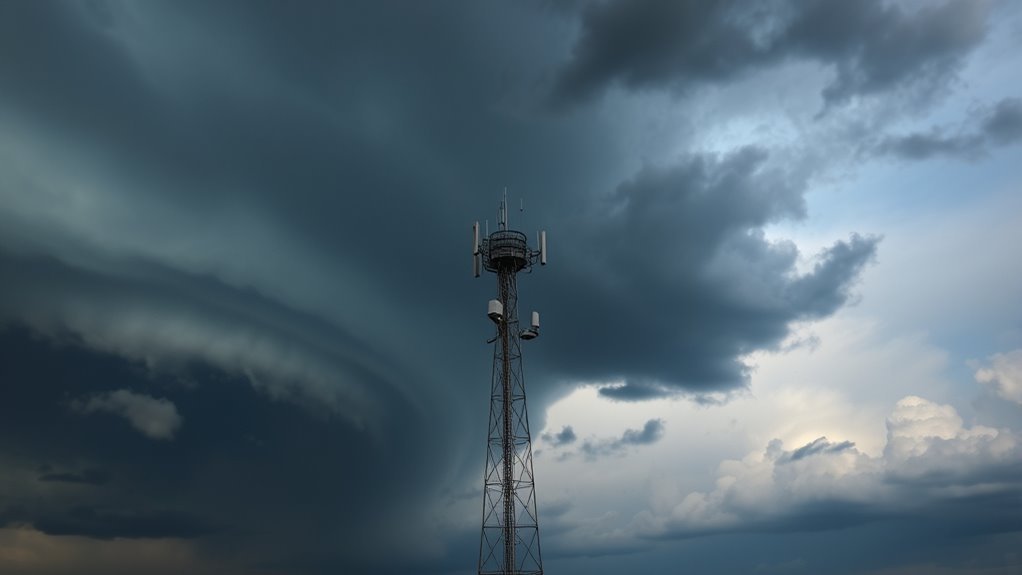
A weather warning means dangerous conditions are either happening right now or about to strike, putting your safety at risk.
When a severe weather event is observed or expected soon, a warning is issued to alert you of hazardous weather threatening life or property.
This warning signals an immediate threat, so you need to act quickly—whether that means seeking shelter or evacuating.
Unlike a watch, a warning indicates confirmed or imminent severe conditions, not just a possibility.
The National Weather Service issues warnings based on radar data or ground observations to help you stay safe.
When you hear a weather warning, take it seriously and follow safety instructions without delay to protect yourself and loved ones from harm.
How Does a Weather Advisory Differ?
When you receive a weather advisory, the situation is less severe than a warning but still calls for your attention.
You don’t need to take immediate action, but it’s wise to stay informed and prepare for possible impacts.
Understanding the advisory’s level of severity helps you decide how cautious you should be.
Advisory Severity Level
How serious should you take a weather advisory?
An advisory signals hazardous weather that’s less severe than a weather watch or warning but still demands your attention.
It alerts you to conditions causing inconvenience or potential safety risks without immediate danger.
Consider these points about advisory severity level:
- Advisories warn of hazardous weather events that are occurring or likely, but the threat to life or property isn’t as severe as in warnings.
- They prompt you to stay aware and plan ahead, unlike warnings that require urgent protective actions.
- Examples include Winter Weather Advisories or Heat Advisories, signaling caution rather than emergency.
Understanding this helps you balance safety and preparedness during changing weather.
Recommended Public Actions
Why should you pay attention to a weather advisory even if it doesn’t demand immediate action?
Advisories advise you to prepare for hazardous but less severe conditions, enhancing your awareness and safety without causing panic.
They help you take precautionary steps to protect yourself and your property before conditions worsen.
| Action | Purpose |
|---|---|
| Stay informed | Maintain awareness of hazards |
| Prepare supplies | Ensure readiness for inconvenience |
| Adjust plans | Avoid unnecessary risks |
| Monitor updates | Stay alert for potential warnings |
Key Differences Between Watches and Warnings
Although both watches and warnings alert you to potential weather hazards, they serve distinct purposes and require different responses.
A watch warns you that hazardous weather conditions are possible, giving you valuable lead time to prepare.
On the other hand, a warning means severe weather is imminent or already happening, demanding immediate action to protect yourself.
Here are the key differences:
1. A watch covers a broad area with a 50% chance of hazardous weather developing.
This encourages you to stay alert and plan ahead.
2. A warning targets a smaller area with an 80% or higher chance of severe weather.
This requires you to take swift protective measures.
3. Watches help you prepare; warnings urge you to act fast to safeguard your life and property.
Stay safe out there!
Understanding Timing and Certainty in Alerts
Since timing and certainty play crucial roles in weather alerts, understanding their differences can help you respond appropriately.
A watch is issued at least 24 hours before potential severe weather, with about a 50% chance it will develop.
This timing gives you a heads-up to prepare and plan but doesn’t demand immediate action.
In contrast, warnings indicate severe weather is imminent or already occurring, with at least an 80% certainty.
Because warnings signal an immediate threat, they require urgent protective measures.
Watches often cover broad areas with uncertain occurrence, while warnings focus on localized, confirmed events.
Regional Variations in Weather Alert Definitions
Understanding timing and certainty helps you react properly, but the way alerts are defined can change depending on where you live.
Regional variations in weather alert definitions mean local offices adjust thresholds and terminology to fit their specific hazards and infrastructure.
Local offices customize alert thresholds and terms to address unique hazards and infrastructure.
This affects how you interpret watches and warnings, so knowing these differences is vital.
Some regions use broader criteria for watches, like the Southeast’s large-area tornado watches.
Local agencies set unique intensity or snowfall thresholds based on vulnerability.
Definitions may include extra alert categories tailored to local risks.
Common Types of Weather Alerts and Their Meanings
When you see weather alerts, knowing what each one means can help you prepare and stay safe.
A Winter Storm Watch signals a potential hazardous weather event with at least a 50% chance of significant snow, but timing and location remain uncertain.
In contrast, a Winter Storm Warning means severe weather is imminent or ongoing, with heavy snow expected to create dangerous weather conditions.
Other alerts include Ice Storm Warnings, which warn of freezing rain creating icy hazards.
Blizzard Warnings are issued when strong winds and low visibility make travel perilous.
Winter Weather Advisories indicate less severe, but still impactful, conditions like moderate snow or blowing snow.
Understanding these weather alerts helps you recognize the severity and act accordingly.
Preparing for Weather Events Based on Alerts
When you hear a weather watch, stay tuned for updates and get your emergency supplies ready.
If a warning comes through, take immediate action by seeking shelter and following official instructions.
Staying informed helps you stay prepared and respond quickly when it matters most.
Actions During a Watch
Although a weather watch doesn’t mean immediate danger, you should stay alert and ready to act.
Use this time to monitor updates and set alerts on your phone to receive real-time notifications. Regularly check official sources like the National Weather Service to stay informed.
Prepare your home and workplace by securing outdoor objects and gathering emergency supplies. Identify safe shelter locations to ensure your safety if conditions worsen.
Here’s what you should focus on:
- Monitor weather alerts closely and keep your phone charged for emergency updates.
- Prepare by collecting necessary supplies and securing your environment.
- Know your shelter spots and avoid unnecessary travel to stay safe during a watch.
Taking these steps helps you stay ready and protect yourself and your loved ones.
Immediate Response to Warning
A weather warning signals an immediate threat, so you should act without delay to protect yourself and those around you.
Your immediate response must include seeking shelter and following local safety instructions to avoid hazards.
Move to an interior room or basement, away from windows, especially during tornado or severe storm warnings.
Prepare emergency supplies like flashlights and first aid kits in case of power outages or injuries.
Monitor weather updates through NOAA Weather Radio, mobile alerts, or local news to stay aware of changing conditions.
If authorities advise evacuation or the warning indicates life-threatening danger, act quickly to secure property or leave the area.
| Action | Purpose |
|---|---|
| Seek shelter | Avoid hazards |
| Follow safety instructions | Ensure personal protection |
| Monitor updates | Stay informed on conditions |
Staying Informed and Prepared
Because weather conditions can change rapidly, staying informed through official alerts is essential to preparing effectively for potential storms.
You should always monitor weather alerts and subscribe to official notifications on your phone or radio for real-time updates.
This guarantees your preparedness and safety plan stay current.
To stay ready:
- Keep an emergency kit stocked with water, food, and a flashlight, especially during warnings.
- Review and practice your safety plan, focusing on shelter locations and communication methods during watches.
- Follow instructions from local authorities promptly to protect yourself and loved ones during warnings.
Frequently Asked Questions
What Is Worse for Weather, a Warning or a Watch?
A weather warning is worse because it means severe weather is happening or imminent.
You need to take immediate action to stay safe.
A watch just means conditions could become dangerous, so stay alert.
How to Remember the Difference Between Tornado Watch and Warning?
You can remember a tornado watch means “watch out”—stay alert and prepare.
A warning means “warning, take action”—seek shelter immediately because a tornado is happening or nearby.
Stay safe by acting fast!
What Is the Highest Alert Color?
When a red alert flashed during Hurricane Katrina, you knew it was the highest alert color.
You shouldn’t ignore red—it signals the most dangerous weather, demanding immediate action to keep you safe from imminent threats.
What Comes First, a Weather Watch or Warning?
A weather watch comes first, letting you know conditions might become dangerous.
A warning follows when severe weather is imminent or happening, so you need to act quickly to stay safe.
Conclusion
Now that you know the difference between weather watches and warnings, you’re better equipped to act when alerts pop up.
Think of a watch as a flashing yellow light—it tells you to stay alert and ready.
A warning, on the other hand, is a red light demanding immediate action.
By understanding these signals, you won’t be caught off guard.
This knowledge can help you keep yourself and your loved ones safe when severe weather is on the horizon.
In conclusion, differentiating between a weather watch and a warning is crucial for safety.
A watch suggests you stay vigilant, while a warning signals immediate response.
Being aware of these distinctions allows you to respond appropriately, ensuring you’re prepared for any severe weather events that may arise.