Is a Weather Watch or Warning Worse?
A weather warning is worse than a watch because it means severe weather is happening or about to happen. In this situation, you need to take immediate action to stay safe.
On the other hand, a watch means conditions are favorable for dangerous weather, but it’s not confirmed yet. That means you should stay alert and prepare.
Warnings are more urgent and localized, while watches give you time to get ready for potential threats.
If you want to understand how these alerts affect you and what steps to take, keep exploring the details.
Understanding Weather Watches
What exactly does a weather watch mean for you?
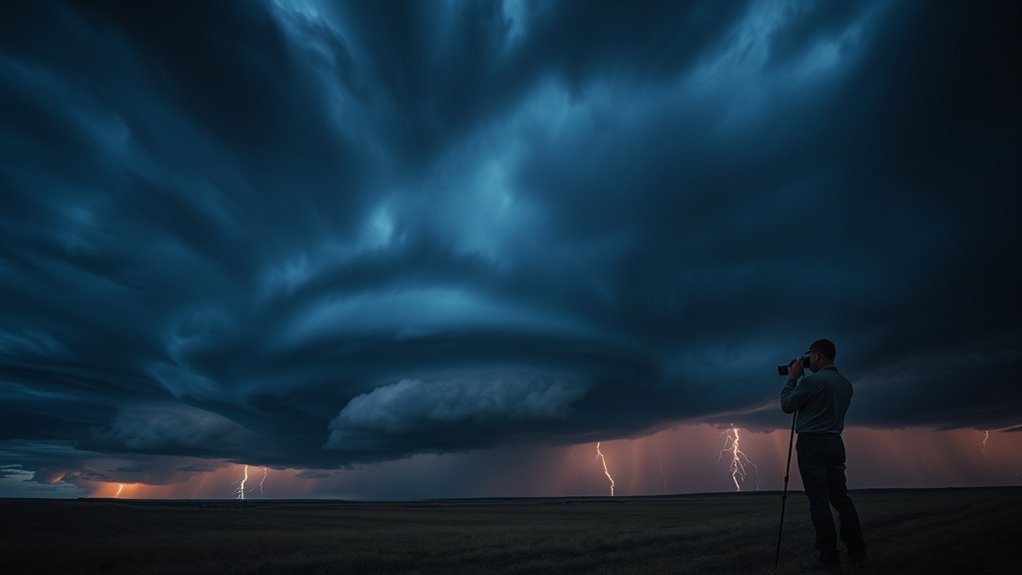
A weather watch signals that conditions are favorable for severe weather to develop in your area, but it doesn’t confirm the event will happen.
Issued as an early alert, it usually covers a large geographic area—sometimes spanning multiple counties or states—to increase public awareness of potential hazards.
When you receive a watch, it’s essential to monitor updates closely and stay informed through official alerts.
While a watch doesn’t demand immediate action, it encourages preparedness so you’re ready if conditions worsen.
Understanding Weather Warnings
How should you respond when a weather warning is issued?
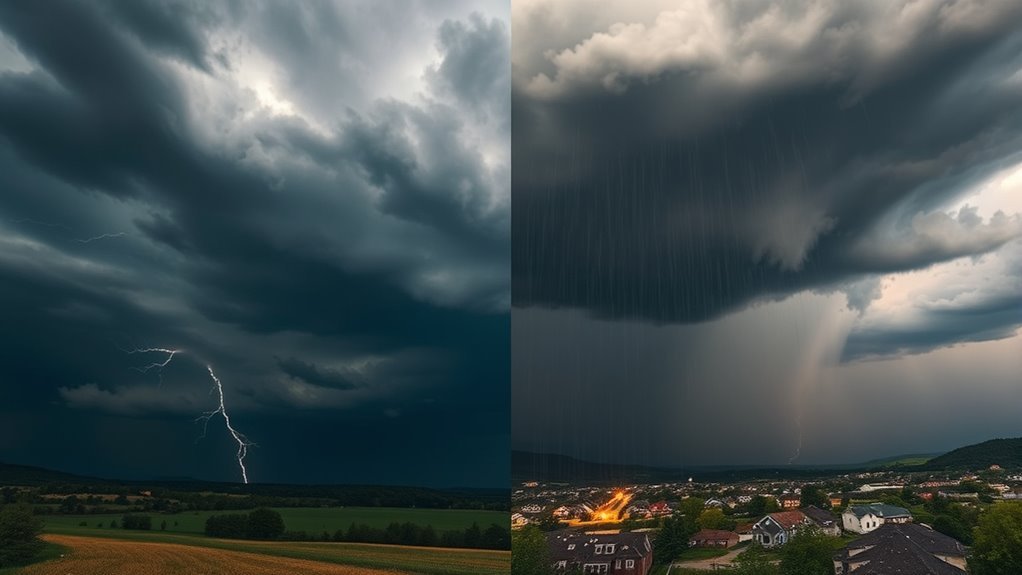
A weather warning means severe weather is imminent or already happening, so you must take immediate action to protect safety.
These alerts are based on confirmed hazards like tornadoes or floods, identified through radar data or direct reports.
Unlike watches, warnings cover smaller areas and indicate hazardous conditions are present or about to occur.
When you receive a warning, don’t wait—seek shelter right away or evacuate if advised.
Staying alert to these warnings helps you avoid danger and respond effectively.
Key Differences Between Watches and Warnings
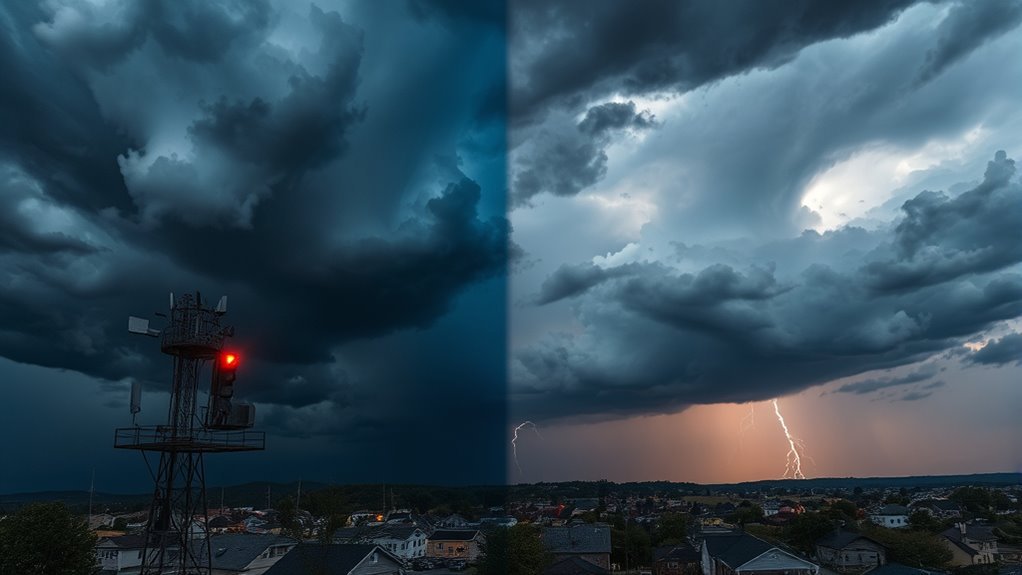
Although both watches and warnings alert you to severe weather, they differ markedly in urgency and scope.
A watch is issued when conditions are favorable for severe weather in a larger region, serving as an early alert that encourages preparedness.
In contrast, a warning signals that severe weather is imminent or already occurring in a more specific area, demanding immediate safety actions.
The severity of a warning is higher because it means dangerous conditions are confirmed or about to happen.
Watches help you stay aware and ready, while warnings prompt you to take quick, protective measures.
Understanding these differences helps you respond appropriately, ensuring your safety when severe weather threatens your region.
Severity and Urgency Levels of Alerts
When you see a watch, it means conditions might get dangerous, so you should stay alert and prepare.
A warning, however, tells you that severe weather is happening or about to happen, so you need to take immediate action to stay safe.
Understanding this difference in severity and urgency can help you respond appropriately when alerts come in.
Alert Severity Comparison
Why should you take a warning more seriously than a watch?
Warnings indicate that severe weather is imminent or already occurring, requiring your immediate action to stay safe.
The National Weather Service issues warnings for specific, localized areas facing confirmed hazardous weather, making these alerts urgent.
Watches, on the other hand, serve as early alerts for broader regions where conditions are favorable for severe weather but not yet certain.
While both warnings and watches demand your attention, warnings carry a higher level of severity and urgency.
This is because they confirm dangerous weather is happening or about to happen.
Response Urgency Differences
Understanding the difference in how you should respond to watches and warnings can make a big difference in your safety.
A watch means hazardous weather conditions are possible, so your focus should be on preparedness—staying informed and ready to act.
On the other hand, a warning signals a higher severity level; hazardous weather is imminent or already occurring, demanding your immediate action.
Warnings often cover smaller areas and require urgent responses to protect yourself.
While both alerts are important, the urgency tied to a warning is greater because it means danger is near.
Watches give you more time to prepare, but warnings push you to act now.
Recognizing these response urgency differences helps you respond appropriately and stay safe during severe weather events.
Types of Severe Weather Covered by Watches and Warnings
Although severe weather can take many forms, watches and warnings focus on specific threats like tornadoes, thunderstorms, and flooding.
When you see a watch, it means conditions are favorable for severe weather, such as a tornado or severe thunderstorms, but the threat isn’t immediate.
A tornado watch signals that the environment could produce a tornado, while a tornado warning means one is imminent or already spotted.
Similarly, a thunderstorm warning alerts you to damaging winds or hail that are occurring or about to strike, unlike a watch, which just suggests potential.
Flood watches warn you about possible flooding, but flood warnings indicate that flooding is imminent or happening.
Understanding these differences helps you respond appropriately to severe weather threats.
Recommended Safety Actions During Watches and Warnings
When a watch is issued, you should stay alert, monitor updates, and get your safety plans ready.
Once a warning hits, take immediate action—seek shelter or move to a safe spot right away.
Following official instructions can keep you safe when severe weather is imminent.
Actions During Watches
Because a watch signals that severe weather conditions may develop, you should stay alert and keep an eye on updates from trusted sources.
Monitor weather updates regularly to track any changes and prepare emergency supplies so you’re ready if conditions worsen.
It’s smart to remove outdoor hazards like patio umbrellas or lawn ornaments to protect property and reduce potential damage.
While you don’t need to seek shelter just yet, being proactive helps guarantee a quick response if a warning is issued.
Always follow instructions from local authorities to prioritize your safety.
Immediate Steps for Warnings
Preparing during a watch sets the stage for quick action once a warning is issued.
When warnings arrive, take immediate steps to protect yourself from severe weather hazards.
You should seek shelter immediately, moving to a safe interior space away from windows and exterior walls.
Follow all safety instructions carefully to minimize risk.
Don’t hesitate—prompt action can save lives.
Stay alert for official updates and only leave your shelter when authorities declare it safe.
Remember, warnings mean severe weather is happening or imminent, so your response must be swift and decisive.
By acting quickly and following these guidelines, you’ll reduce the chance of injury and property damage during dangerous weather events.
Always prioritize shelter and safety above all else.
How Weather Alerts Affect Different Areas and Populations
Although weather alerts vary in scope and urgency, they directly impact how different communities respond to potential threats.
Weather alerts shape community responses according to the severity and immediacy of the threat.
When a warning signals severe weather is imminent, you’ll need to act immediately, especially if you live in an urban area where the population density heightens risk.
Watches, on the other hand, cover larger regions and give you time to boost preparedness before hazardous conditions develop.
Coastal and flood-prone regions often treat warnings as urgent flood alerts, while watches serve as early notices for potential dangers.
If you belong to a vulnerable population, like the elderly or those with limited mobility, you must stay alert during watches and respond quickly during warnings.
Understanding these alerts helps you tailor your response based on your region and specific vulnerability.
Frequently Asked Questions
Which Is Worse, a Warning or a Watch?
A warning is worse than a watch because it means severe weather is happening or about to happen.
You need to act immediately to stay safe, while a watch just means conditions could become dangerous.
What Is the Highest Alert Color?
You might feel like a medieval knight spotting a dragon when you see red—the highest alert color for severe weather.
It means danger’s immediate, so don’t wait; take protective action right away to stay safe.
What Comes First, a Weather Watch or Warning?
A weather watch comes first, letting you know conditions might become severe.
Later, if the threat becomes real or imminent, a warning is issued, telling you to take immediate action to stay safe.
What Is Worse, a Watch or Warning for a Tornado?
A tornado warning is worse than a watch because it means a tornado is confirmed or imminent.
You need to act immediately and seek shelter.
In contrast, a watch just signals potential danger and readiness.
Conclusion
When you see a weather warning, it means severe conditions are imminent or already happening. You need to act immediately.
On the other hand, a watch means the threat is possible but not certain yet.
Remarkably, studies show that nearly 60% of people ignore watches but take warnings seriously.
This illustrates how crucial it is to stay alert and prepared once a warning is issued. Your safety depends on timely action during these critical alerts.
In conclusion, understanding the difference between a weather watch and a warning is essential for your safety. While a watch indicates potential threats, a warning signifies immediate danger. Always take warnings seriously and act promptly to protect yourself and your loved ones. Stay informed, stay prepared, and ensure that you take the necessary precautions when severe weather is on the horizon.