Why Do Tires Lose Pressure in Cold Weather?
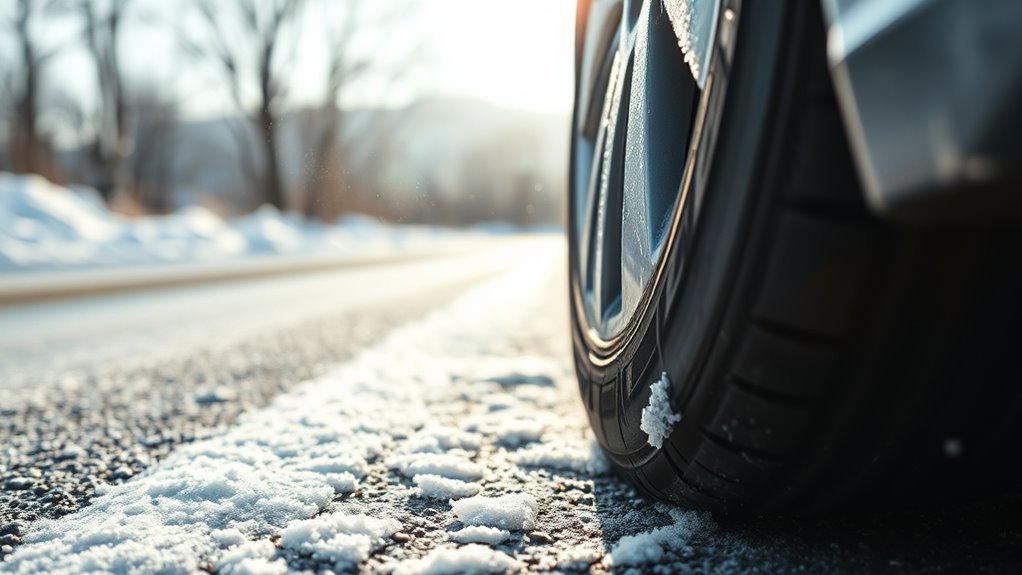
You’ll notice your tires lose pressure in cold weather because cold air contracts, making the air inside your tires take up less space and lowering the pressure.
For every 10°F drop, expect about a 1 psi decrease, which can add up quickly. This happens naturally even without leaks, so you’ll feel the tires softer and less firm.
If you want to understand why this happens and how to keep your tires safe in winter, keep exploring these insights.
It’s important to check your tire pressure regularly during the colder months to ensure optimal performance and safety on the road.
By staying informed, you can take proactive steps to maintain your tires and extend their lifespan. After all, proper tire maintenance is crucial for your vehicle’s overall performance.
How Temperature Affects Tire Pressure
Although you might not notice it right away, cold weather causes your tires to lose pressure because air contracts as temperatures drop.
Every 10°F decrease in temperature leads to about a 1 psi reduction in tire pressure.
This means that during cold weather, the tire pressure naturally drops without any leaks or punctures.
Temperature changes make the air inside your tires denser and compress it, which lowers the volume and pressure.
For example, a 20°F drop can cause up to a 2 psi loss in tire pressure.
This fluctuation affects how your vehicle handles and can compromise safety if you don’t regularly check and adjust your tires during colder months.
Staying aware of these temperature-driven changes keeps your tires properly inflated and your drive safer.
The Science Behind Air Contraction in Cold Weather
When temperatures drop, the air molecules inside your tires slow down and take up less space, causing the pressure to drop.
For every 10°F decrease, expect about a 1 PSI loss in pressure due to this volume compression.
Understanding how temperature affects air behavior helps you see why tire pressure changes in cold weather.
Air Molecule Behavior
Because air molecules inside your tires slow down and pack closer together as temperatures drop, the air contracts and causes tire pressure to decrease.
When temperature drops, the slower air molecules reduce the tire’s internal volume, lowering pressure. This natural process means your tires seem less inflated, even if there’s no leak.
| Temperature Drop (°F) | Air Molecule Speed | Pressure Change (psi) |
|---|---|---|
| 0 | Normal | 0 |
| -10 | Slower | -1 |
| -20 | Even Slower | -2 |
| -30 | Much Slower | -3 |
| -40 | Slowest | -4 |
Understanding air molecule behavior helps you keep your tires properly inflated in cold weather.
Temperature and Pressure
As temperatures drop, you’ll notice your tire pressure falling too due to the way air molecules contract and become denser in cold weather.
When the temperature decreases, the air inside your tires takes up less space, causing tire pressure to drop.
Typically, for every 10°F drop in temperature, tire pressure falls by about 1 PSI.
So, if the temperature falls by 20°F, expect a 2 PSI or more reduction in pressure.
This natural contraction means your tires can seem underinflated even without any leaks.
Understanding how temperature affects tire pressure helps you keep your tires properly inflated, especially during cold weather.
This ensures safer driving and better tire performance.
Volume Compression Effects
Although it might surprise you, the drop in tire pressure during cold weather happens because air molecules slow down and take up less space.
This volume compression means the air inside your tires contracts, reducing the overall volume it occupies.
Since pressure depends on both temperature and volume, when the air contracts, the pressure inside the tire decreases.
For every 10°F drop, expect about a 1 psi loss in pressure due to this effect.
Cold air is denser, exerting more pressure per unit volume, but because the volume shrinks inside the tire, the net pressure you measure actually falls.
Understanding this volume compression helps explain why your tires feel underinflated as temperatures dip.
Common Signs of Low Tire Pressure in Winter
When cold weather causes your tire pressure to drop, you might notice your tires feeling softer or looking less full than usual.
This softness is a clear sign of low tire pressure, which happens as the cold causes air inside the tires to contract.
You may also see your tires sagging or visibly less inflated, indicating pressure loss.
Inside your vehicle, a warning light on the dashboard often activates when the Tire Pressure Monitoring System detects a significant drop.
Paying attention to these signs is vital during winter, as low tire pressure can affect your vehicle’s handling.
Always check your tires regularly to guarantee they’re properly inflated and safe for cold weather driving.
Risks of Driving With Underinflated Tires
When your tires lose pressure, your fuel efficiency drops, costing you more at the pump.
You also compromise traction and safety, especially on slippery winter roads.
Plus, underinflated tires wear out faster, meaning you’ll need replacements sooner than expected.
Reduced Fuel Efficiency
How much does underinflated tires affect your fuel efficiency?
When your tire pressure drops due to cold tire contraction, your gas mileage suffers.
Underinflated tires increase rolling resistance, forcing your engine to work harder and consume more fuel.
For every 1 PSI drop, your fuel economy can decrease by 0.2%.
A tire 25% underinflated can reduce fuel efficiency by up to 3%.
Even if tires look full, cold weather may cause hidden underinflation, cutting your vehicle’s efficiency.
Regularly checking and maintaining proper tire pressure in winter helps keep your gas mileage ideal and saves you money.
| Tire Pressure Drop (PSI) | Fuel Efficiency Loss (%) |
|---|---|
| 1 | 0.2 |
| 5 | 1.0 |
| 10 | 2.0 |
| 15 | 3.0 |
| 20 | 4.0 |
Compromised Traction and Safety
Although you might not notice it right away, underinflated tires can greatly reduce your vehicle’s traction. This increases the risk of slipping on icy or snowy roads.
Low tire pressure shrinks the contact patch between your tires and the road, which compromises grip and stability. This makes handling more difficult and braking less effective.
Here are three critical risks you face with underinflated tires:
- Reduced traction leads to longer stopping distances—especially dangerous on slippery surfaces.
- Uneven tire wear worsens grip, which further increases the chances of slipping in winter conditions.
- Poor handling and diminished stability make controlling your vehicle challenging during sudden maneuvers.
Keeping your tires properly inflated is essential for safe winter driving.
Don’t let low tire pressure put you at risk!
Accelerated Tire Wear
Beyond compromising your grip and safety, driving with underinflated tires also speeds up tire wear.
Low tire pressure causes uneven tread wear, especially along the edges, which shortens your tires’ lifespan.
When your tires are underinflated, the increased contact patch with the road generates more friction and heat,
accelerating tire wear and raising the risk of blowouts. You might notice irregular wear patterns like scalloping or cupping,
which further compromise safety.
Consistently running on underinflated tires also makes you more prone to punctures and rim damage.
To avoid accelerated tire wear and maintain ideal performance, regularly check and maintain the proper tire pressure,
especially during cold weather when low tire pressure is more common.
Taking this simple step helps protect your tires and your safety.
How to Accurately Measure Tire Pressure in Cold Conditions
Since tire pressure drops in cold weather, you should check it when your tires are cold—either before driving or after they’ve been stationary for at least three hours.
This guarantees the most accurate reading.
To measure tire pressure correctly in cold conditions, follow these steps:
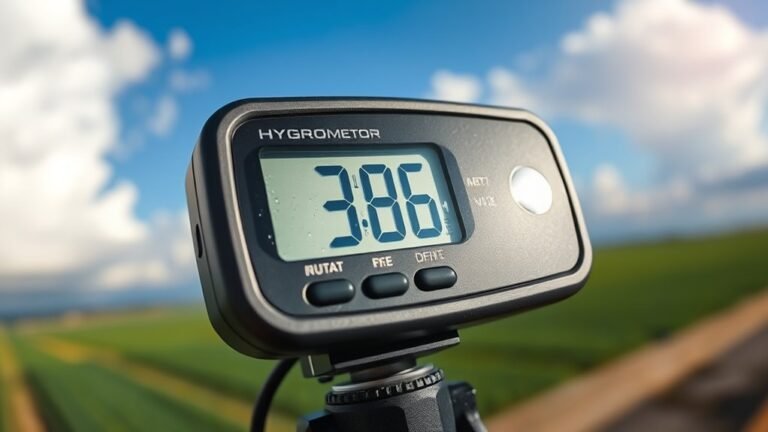
- Use a reliable digital or dial pressure gauge instead of built-in sensors for precise results.
- Remove the valve stem cap, press the pressure gauge firmly onto the valve stem, and note the reading without adding or releasing air.
- Compare the reading to the recommended PSI found in your vehicle’s manual or tire placard, typically between 30 and 35 PSI.
Regularly checking all tires, including the spare, helps maintain safe tire pressure throughout cold weather.
Factors That Cause Some Tires to Lose Pressure Faster
When temperatures drop, some tires lose pressure faster due to factors like age, damage, and material composition.
If your tires are older or have tiny punctures, they’ll experience quicker pressure loss in cold weather. Tires with improperly repaired valves or visible damage are also more prone to losing tire pressure rapidly.
Additionally, softer rubber compounds found in performance or all-season tires tend to leak air faster as temperatures fall.
Underinflated tires are especially vulnerable since even small leaks cause faster pressure drops.
Certain tire designs and materials react more sensitively to temperature changes, accelerating pressure loss.
Understanding these factors helps you recognize why your tires might lose pressure faster during cold weather.
Practical Tips for Maintaining Tire Pressure During Winter
Although cold weather naturally causes tire pressure to drop, you can easily maintain proper inflation by regularly checking your tires with a reliable gauge and keeping them at the recommended PSI.
Here are three practical tips to help you manage tire pressure during winter:
- Perform pressure checks at least once a month, preferably when your tires are cold—before driving or after sitting for three hours—to get accurate readings.
- Always inflate your tires to the PSI specified in your vehicle’s manual or placard, usually between 30-35 PSI, to avoid underinflation.
- Inspect tires for leaks, dry rot, or worn valve stems regularly.
And hey, consider switching to winter tires designed to handle cold weather better!
Understanding Tire Pressure Monitoring System Alerts in Cold Weather
Keeping your tire pressure in check during winter helps prevent unexpected issues, but you might still see your Tire Pressure Monitoring System (TPMS) warning light come on in cold weather.
This happens because TPMS sensors often activate alerts when temperatures drop below 20°F, detecting lower pressure levels caused by the cold—not necessarily a leak.
The low tire pressure light may turn on even if your tires are properly inflated.
To avoid confusion, use a tire pressure gauge to manually check your tires regularly.
If the pressure is fine, the TPMS warning often resets once temperatures rise, and the light will turn off on its own.
Staying proactive with manual checks helps you respond appropriately to these temperature-induced alerts.
When to Seek Professional Tire Maintenance Services
If you notice your tire pressure dropping consistently despite regular inflation, it’s a clear sign you should get a professional inspection.
Ignoring this can lead to unsafe driving conditions and further tire damage.
Here are three key reasons to seek professional tire maintenance services:
- Your tire pressure drops rapidly or persistently, hinting at leaks, punctures, or damaged valve stems that need expert diagnosis.
- The TPMS warning light stays on after warming up or repeated checks, indicating a potential sensor or pressure issue.
- You observe uneven or abnormal tire wear, signaling underlying problems that only a professional inspection can properly assess.
Addressing these promptly keeps your tires safe and reliable throughout cold weather.
Frequently Asked Questions
How Do I Keep My Tires From Deflating in the Cold?
You can keep your tires from deflating in the cold by checking pressure monthly.
Topping off air before the temperature drops is also a good idea.
Make sure to inspect for leaks, as they can cause issues.
Avoiding over-inflation is important too, since that can lead to problems.
Lastly, consider using nitrogen-filled or winter tires for more stable pressure.
Do I Need to Put Air in My Tires When It’s Cold?
Think of your tires as balloons shrinking in winter’s chill.
Yes, you’ll need to add air when it’s cold to keep them properly inflated.
This ensures safety and prevents uneven wear on the road ahead.
How to Fix Low Tire Pressure in Cold Weather?
You should check your tire pressure when tires are cold.
Then add air to reach the manufacturer’s recommended PSI.
Use an air pump or visit a tire shop, and regularly monitor pressure during cold months.
What Is the 7 7 Rule for Winter Tires?
Imagine your tire pressure dropping by 1 psi when it gets 7°F colder—that’s the 7-7 Rule.
It helps you adjust winter tire pressure regularly, keeping you safe and improving tire life in chilly weather.
Conclusion
Just like a tree’s leaves shrink away in the chill of autumn, your tires lose pressure as temperatures drop.
This natural contraction can quietly steal your grip on the road, signaling you to act.
By regularly checking and maintaining your tire pressure, you’re nurturing the strength beneath your wheels.
This ensures safety and control through winter’s cold embrace.
Don’t let the cold catch you off guard—stay vigilant.
Keeping your tires properly inflated is essential for a steady and safe journey.
In cold weather, lower tire pressure can lead to decreased traction and increased wear.
So, make it a habit to check your tire pressure regularly.
This simple act can make a big difference in your winter driving experience.
Remember, a little maintenance goes a long way in ensuring your safety on the road.